

Vilanculos coastal wildlife sanctuary in 2026: what it is, why it matters, how to visit
By • February 11, 2026
Why this sanctuary is one of Mozambique’s most overlooked travel stories
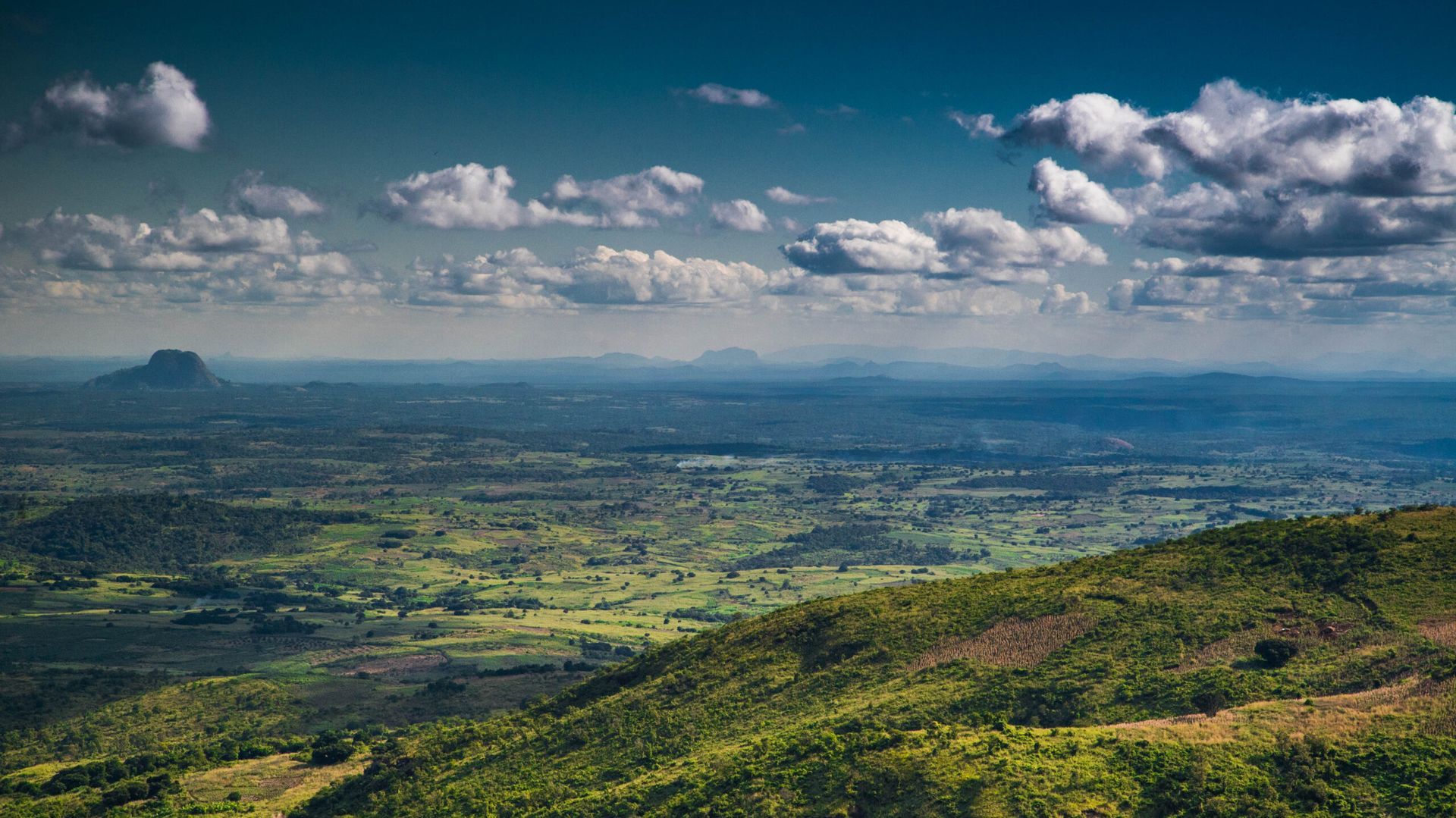
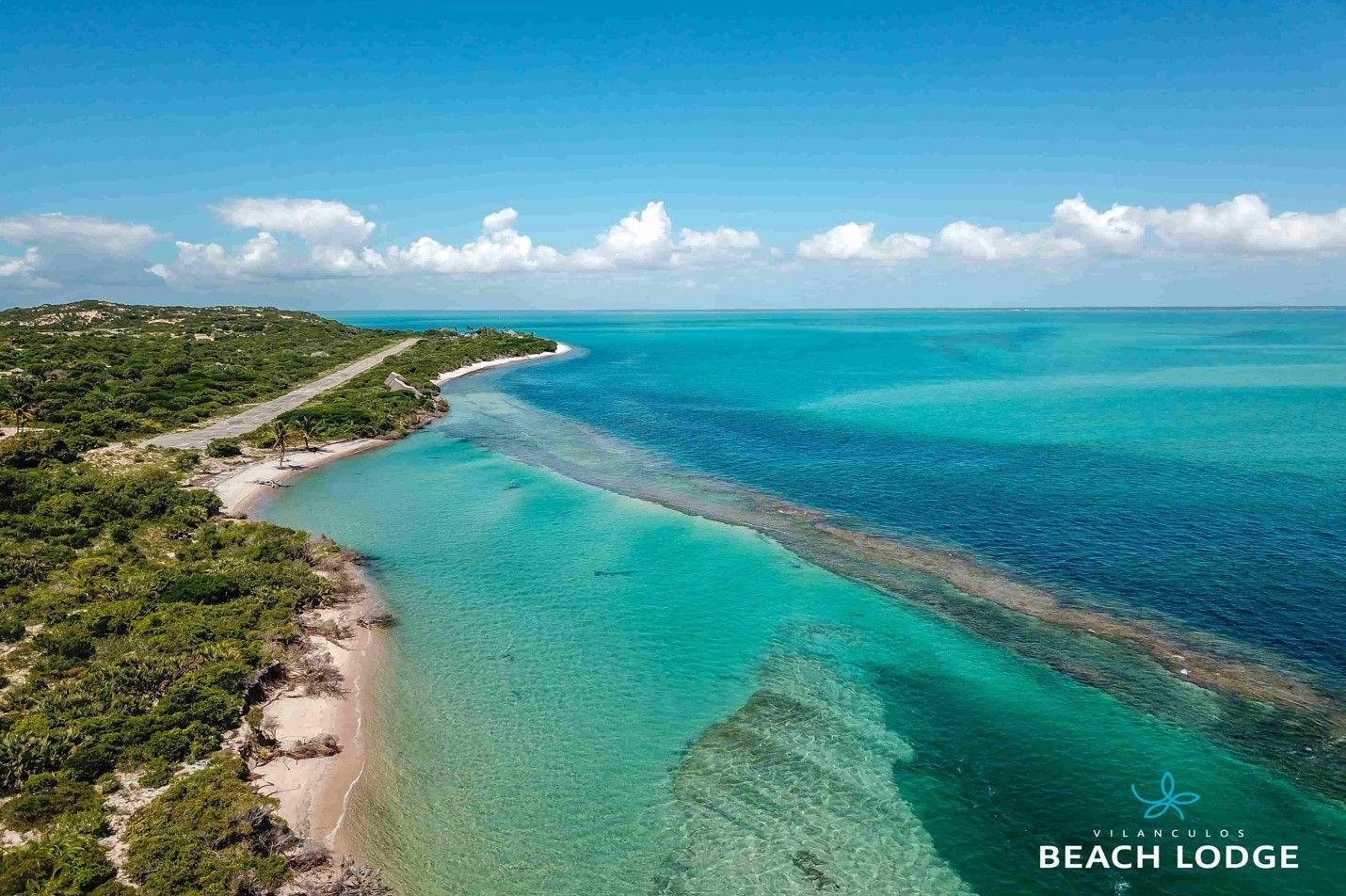
Most travelers arrive in Vilanculos focused on island views, turquoise water, and easy access to the Bazaruto Archipelago. What many miss is that the mainland coastline itself forms part of a protected coastal system where marine and terrestrial habitats overlap. This creates a rare “coast plus wilderness” environment that is increasingly difficult to find along the Indian Ocean.
In 2026, the Vilanculos coastal wildlife sanctuary matters because it aligns precisely with how people are choosing to travel. Travelers are actively searching for quieter destinations, low-density experiences, authentic nature, and travel that supports conservation rather than erodes it. This is not a coastline built around crowds or overdeveloped beachfronts. It is a living landscape where dunes, wetlands, woodland, and nearshore marine systems interact, and where tourism choices directly influence long-term protection.
What the Vilanculos coastal wildlife sanctuary protects
The sanctuary is significant because it protects more than ocean space. It encompasses coastal dunes, vegetated woodland, wetlands, estuaries, mangroves, and nearshore reefs. This combination is what sustains biodiversity. Seagrass beds support fish nurseries and marine megafauna, while dune vegetation stabilizes shorelines and protects freshwater systems inland.
For travelers, this layered protection means the destination offers depth. You may arrive for snorkeling and island excursions, but you are moving through a landscape that supports turtle nesting, seasonal whale movement, and rich coastal birdlife. Understanding this context explains why low-density development and careful access are essential to preserving what makes Vilanculos special.
Where the sanctuary sits and how it connects to Vilanculos and the islands
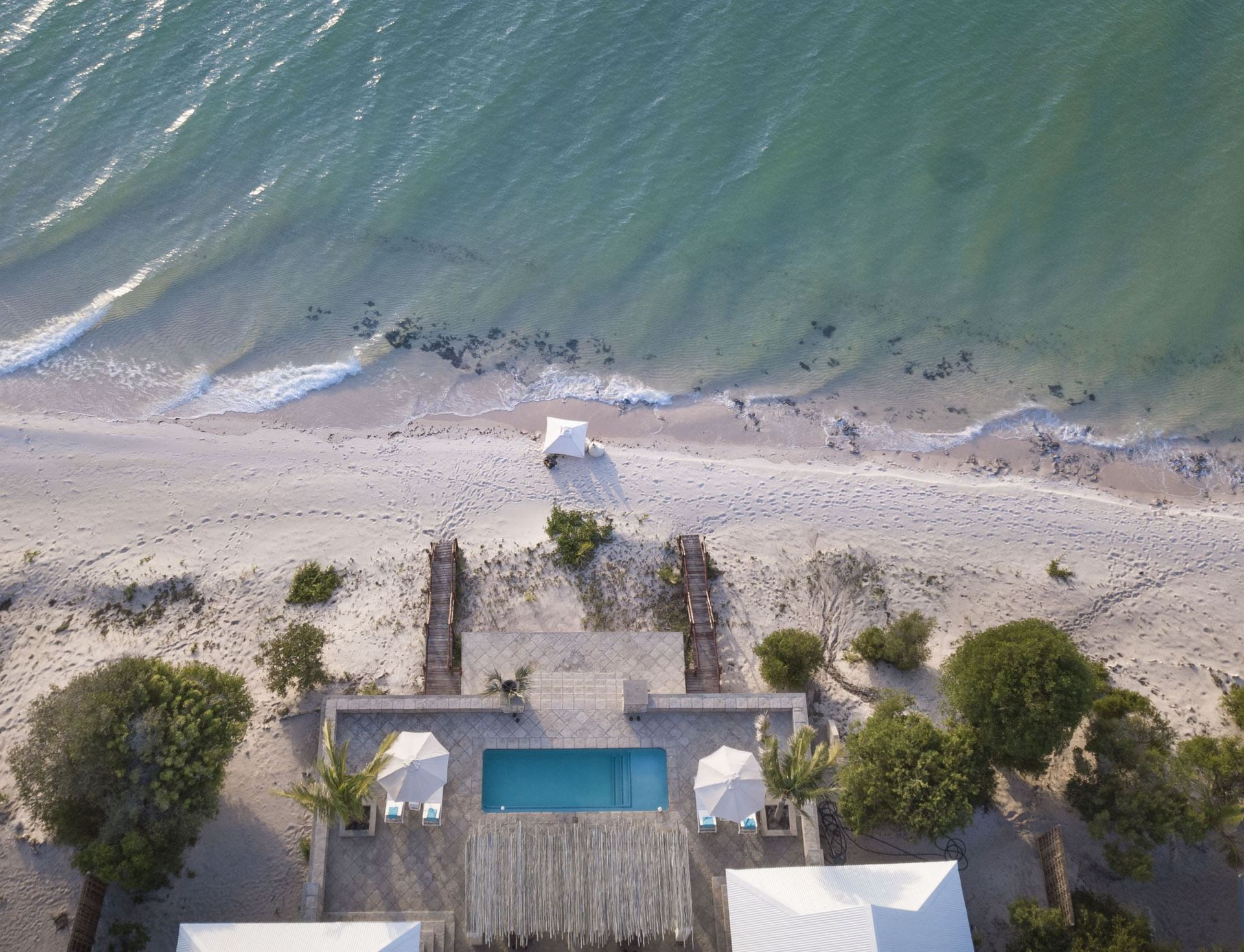
Vilanculos sits along a mainland coastline directly facing the Bazaruto Archipelago, creating a natural triangle between coastal wilderness, island lagoons, and open ocean. This geography explains why the region feels expansive and uncrowded compared with many Indian Ocean destinations, especially for travelers choosing exclusive use properties Mozambique, where private villas are positioned to maximize space, views, and direct beach access.
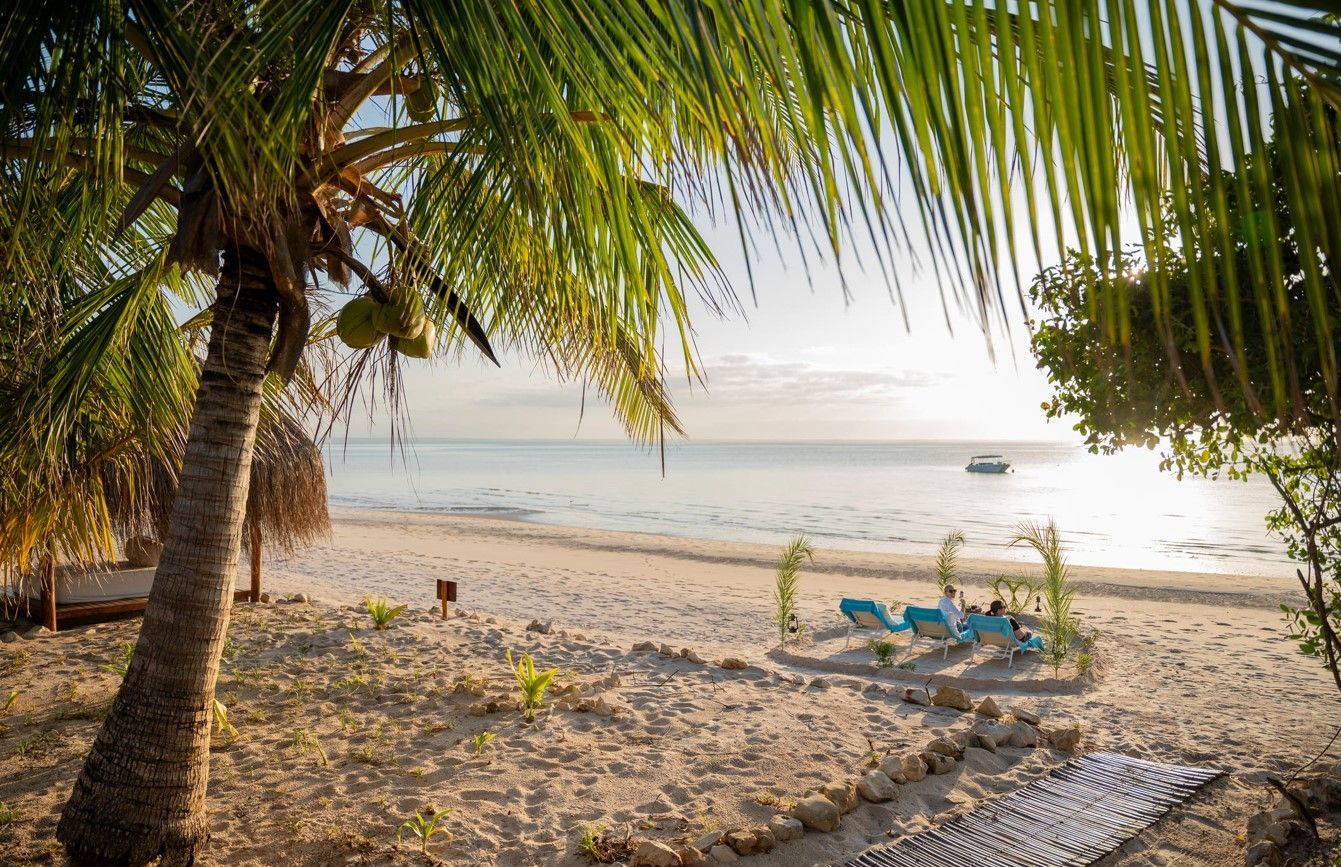
Many of the most memorable moments happen between destinations rather than at them. A dhow crossing with dolphins nearby, a sandbank picnic, or a quiet mainland beach with no footprints all make more sense when experienced from the privacy of a dedicated villa, where days unfold at your own pace and the sanctuary setting shapes not only how the region looks, but how it feels.
Wildlife you might see, and why sightings feel different here
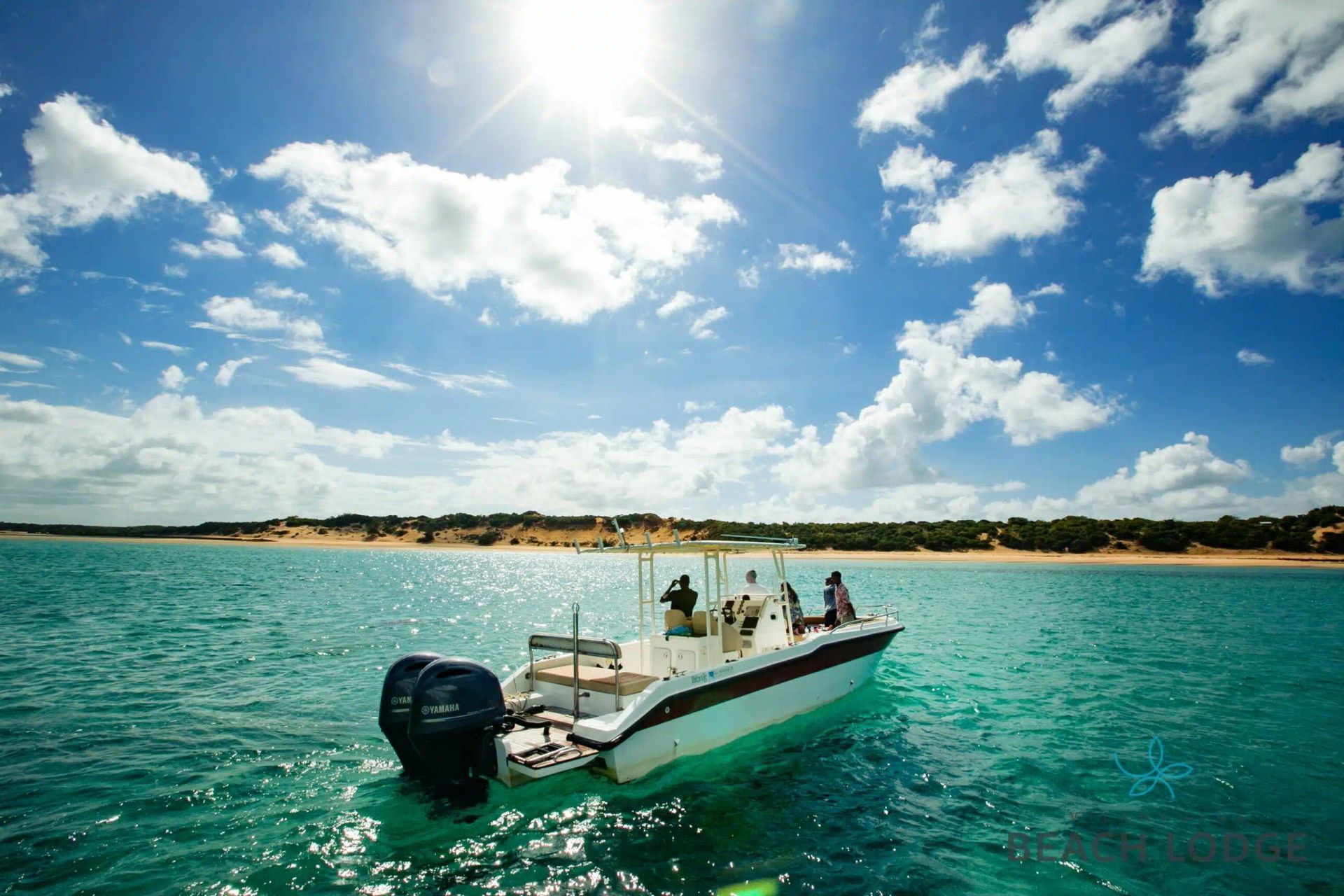
What distinguishes the Vilanculos sanctuary region is not only the species present, but how encounters occur. Wildlife sightings are rarely staged. Dolphins are commonly seen offshore, whales pass seasonally, and turtles nest along sections of the coast at certain times of year. Reef fish diversity is strongest around the archipelago, supported by healthy seagrass systems.
On land, wetlands and vegetated dunes support a wide variety of birdlife and smaller coastal species. Encounters tend to feel incidental rather than orchestrated, reinforcing the sense that you are visiting a functioning ecosystem rather than an attraction designed for volume tourism.
Best time to visit for sanctuary experiences in 2026
Vilanculos is a year-round destination, but sanctuary experiences change with weather and sea conditions. April to October offers the most consistent climate, with lower humidity and calmer seas. This period suits island trips, snorkeling, and relaxed beach travel.
June to September generally delivers the clearest water visibility. Shoulder months such as April, May, October, and early November are especially appealing for travelers seeking fewer visitors and a quieter sanctuary atmosphere while still enjoying excellent conditions.
Where to stay if you want a sanctuary-aligned holiday
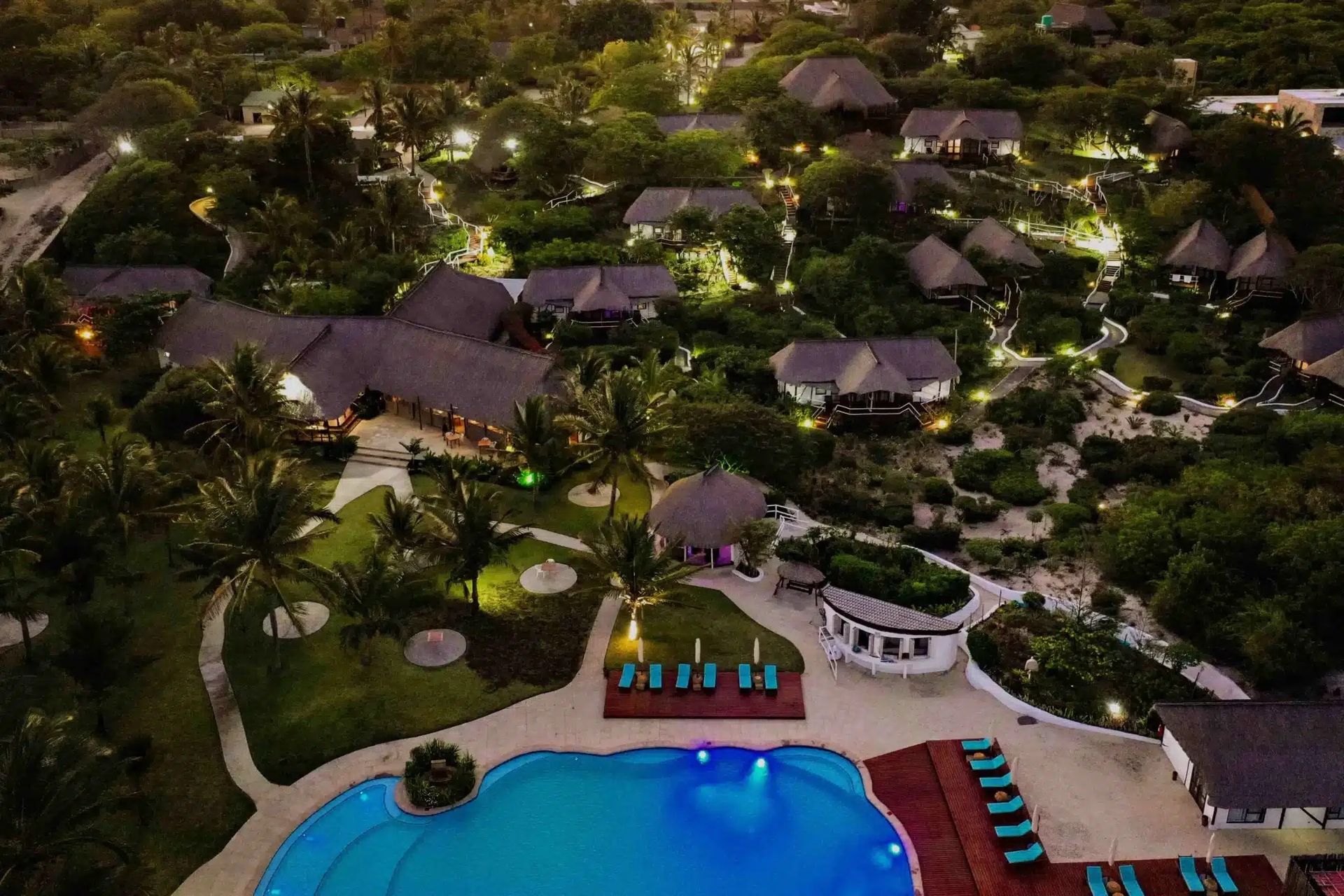
Not every beachfront stay supports the sanctuary experience equally. The best fit is typically low-density accommodation that emphasizes privacy, minimal disturbance, and nature-led experiences rather than loud entertainment. Private villas, small eco lodges, and boutique beach retreats tend to match sanctuary values well because they reduce foot traffic pressure and keep the atmosphere quiet.
If your goal is to combine the sanctuary coastline with island time, look for accommodation that makes boat logistics smooth and encourages responsible excursions into the archipelago. If your goal is a full slow-travel reset, choose lodges that prioritize space, beach access, and flexible days without rigid schedules. In 2026, the most valuable luxury is often not extra features, it is fewer people, better views, and a calmer pace.
How conservation projects influence what travelers experience
The sanctuary succeeds when tourism supports protection rather than pressure. Monitoring sensitive habitats, limiting harmful practices, and linking conservation to community benefit all contribute to healthier ecosystems. Travelers experience this indirectly through cleaner shorelines, healthier reefs, and more consistent wildlife sightings.
Marine research initiatives in the region focus on turtles, sharks, rays, and seagrass systems, while community-linked protection supports shoreline monitoring and sustainable fishing practices. Choosing responsible operators helps ensure tourism contributes to these outcomes rather than undermining them.
How to visit responsibly without losing the fun
Responsible travel in Vilanculos is largely about informed choices. Choose operators that respect wildlife distance, avoid coral contact, and emphasize reef care. Use reef-safe sunscreen where possible and leave beaches exactly as you find them.
On land, remain on established tracks in dune areas and avoid beach driving unless explicitly permitted. These small decisions protect nesting areas and dune stability while preserving the quiet, open atmosphere that defines the sanctuary experience.
Sanctuary Safety and Sustainable Travel Strategy
The Vilanculos coastal wildlife sanctuary in 2026 remains a low risk, low density environment where safety is shaped more by environmental awareness than by crime or infrastructure concerns. Travelers benefit from guided marine excursions, tide aware boat scheduling, and lodge coordinated logistics that reduce unnecessary exposure. Independent exploration of sensitive dune or wetland areas is discouraged, not due to danger, but to prevent ecological damage and disorientation. Heat management, hydration, and sun protection are the most common practical safety considerations along this coastline.
Choosing reputable operators ensures marine wildlife encounters follow regulated distance protocols, particularly with turtles and seasonal whales. When visits are planned through established accommodation and marine teams, the sanctuary offers a calm, predictable setting aligned with sustainable, responsible travel principles.
Plan your Vilanculos sanctuary holiday with Mozambique Travel
A sanctuary-aligned Vilanculos itinerary works best when planned deliberately. Most travelers start with a mainland base near Vilanculos, then add one or two island excursions to the Bazaruto Archipelago. A well-structured Vilanculos or Bazaruto package simplifies logistics while keeping travel low-impact. Choosing one sanctuary-aligned property rather than moving frequently preserves the slow, uncrowded feel.
A detailed Vilanculos destination guide helps match travel dates to sea conditions and wildlife priorities, while a Mozambique travel safety and logistics resource ensures clarity around transfers, medical access, and connectivity in protected coastal areas. Mozambique Travel has over 20 years of experience planning responsible Mozambique holidays and can design a 2026 itinerary that balances conservation, comfort, and meaningful travel.
Featured Packages
Frequently Asked Questions
What is the Vilanculos coastal wildlife sanctuary and why is it important
The Vilanculos coastal wildlife sanctuary is a protected mainland coastal zone opposite the Bazaruto Archipelago. It safeguards dunes, wetlands, marine habitats, and wildlife corridors that support turtles, dolphins, whales, birdlife, and reef systems. Its importance lies in preserving a low-density coastline that remains ecologically intact while allowing responsible tourism in one of Mozambique’s most scenic regions.
Is Vilanculos part of a marine protected area
Vilanculos itself sits adjacent to protected coastal and marine systems that link directly to the Bazaruto Archipelago Marine National Park. While the town is not a marine reserve, the surrounding coastline forms part of a managed conservation landscape. This connection explains why marine life is abundant and why development remains limited along much of the coast.
What wildlife can travelers realistically expect to see near Vilanculos
Travelers commonly see dolphins offshore and seasonal whale activity depending on the time of year. Turtles nest along sections of the coast, and birdlife is especially strong around wetlands and dune vegetation. Reef fish diversity is high around the islands. Sightings vary, but encounters often feel natural rather than crowded or staged.
When is the best time to visit Vilanculos for sanctuary experiences
April to October offers the most reliable conditions, with calmer seas and comfortable temperatures. June to September provides excellent water clarity for snorkeling. Shoulder months such as April, May, October, and early November suit travelers seeking quieter travel periods with fewer visitors and strong sanctuary atmosphere.
How does the sanctuary influence where you should stay in Vilanculos
The sanctuary context favors low-density accommodation that minimizes environmental impact. Small lodges, private villas, and boutique beach retreats align best with conservation values. These stays reduce pressure on sensitive areas while offering greater privacy, quieter beaches, and a stronger connection to the natural landscape.
How can travelers support conservation when visiting Vilanculos
Travelers support conservation by choosing responsible operators, respecting wildlife distance, avoiding coral contact, minimizing plastic use, and staying on established tracks in dune areas. Supporting lodges that employ local communities and follow low-impact practices helps ensure tourism contributes positively to long-term conservation.
SHARE THIS POST
Are You Ready FOr Mozambique?
Page through our packages and find the offer right for you!
Ready to Speak to a Mozambique Travel Expert?
Get In Touch and Ask for a Call-Back Today
Latest Posts