


Dugongs in Mozambique: Where They Live and Why They Matter
By Mozambique Travel • June 16, 2026

Understanding Mozambique’s Dugongs and Why They Are So Rare
Dugongs are among the most elusive marine mammals on the African continent, and Mozambique is home to one of the last remaining populations in the western Indian Ocean. Often referred to as sea cows, dugongs are slow-moving, herbivorous mammals that depend almost entirely on healthy seagrass meadows for survival. Their presence is a powerful indicator of marine ecosystem health, yet their numbers have declined sharply across much of their historical range.
In Mozambique, dugongs survive in small, fragmented populations rather than large herds. This rarity is precisely why they matter. Where dugongs persist, the marine environment is functioning well enough to sustain one of the ocean’s most sensitive species. Their continued presence signals resilience, while their disappearance would mark a serious ecological loss.
Where Dugongs Live Along the Mozambican Coast
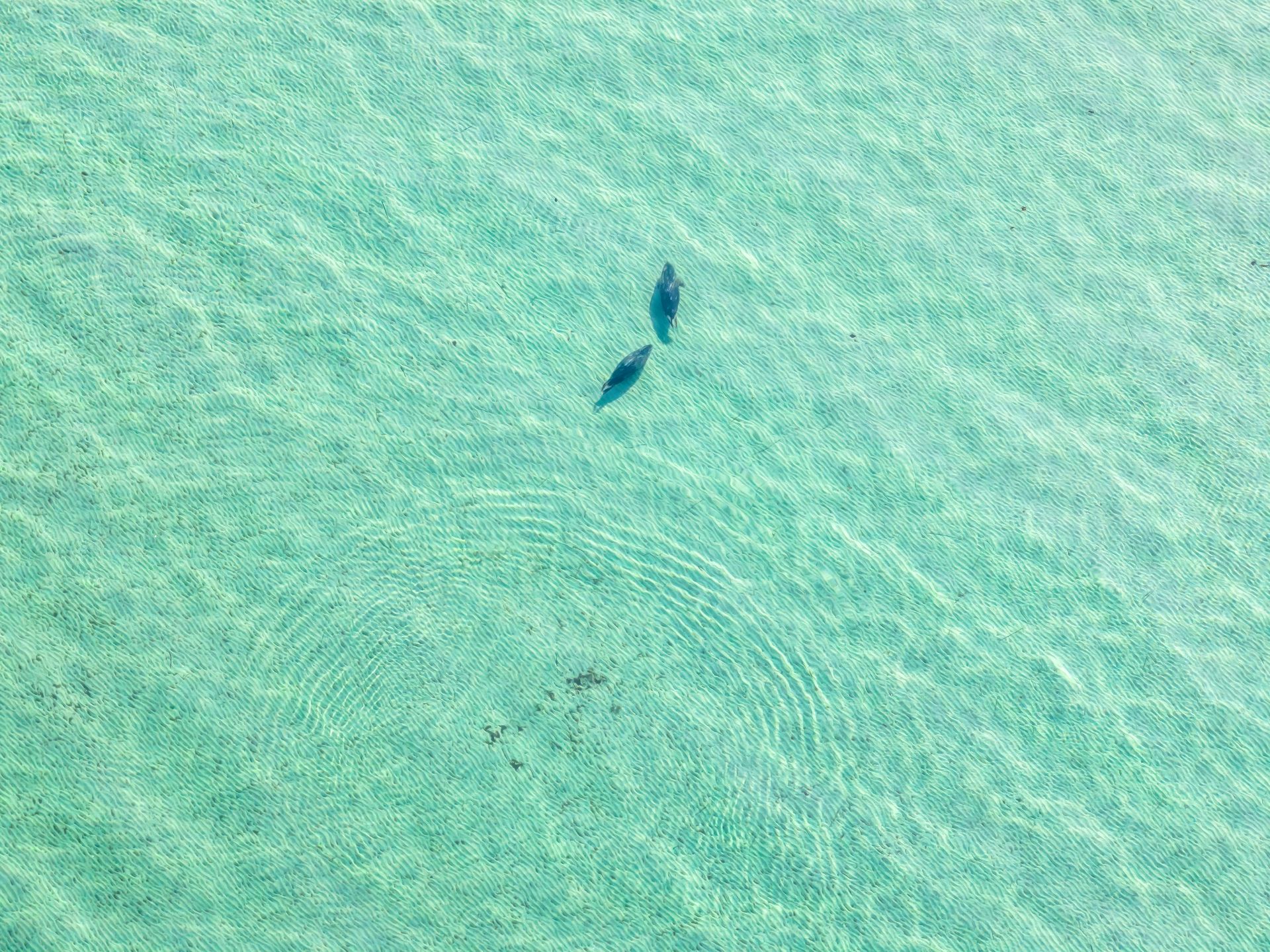
Mozambique’s dugongs are closely associated with shallow, sheltered coastal waters where seagrass beds are well established. The most important stronghold for dugongs in the country lies within the Bazaruto Archipelago, where extensive seagrass meadows provide essential feeding grounds. This region supports the largest remaining dugong population in southern Africa.
Smaller and less predictable dugong activity has been recorded in other parts of the coastline, but sightings outside protected areas are rare. Dugongs are highly sensitive to disturbance and avoid areas with heavy boat traffic, fishing pressure, or coastal development. Their distribution reflects not just habitat availability, but the level of protection afforded to those habitats.

Why Seagrass Meadows Are Critical to Dugong Survival
Dugongs feed almost exclusively on seagrass, consuming large quantities each day to meet their nutritional needs. Unlike coral reefs or mangroves, seagrass ecosystems receive far less attention despite their ecological importance. These underwater meadows stabilize sediment, improve water quality, and support fish nurseries, all while acting as carbon sinks.
For dugongs, seagrass is not optional. Degradation or loss of seagrass directly leads to population decline. In Mozambique, areas where seagrass remains intact are often those with limited coastal development and active marine protection. Protecting dugongs therefore requires protecting the entire seagrass ecosystem, not just the animals themselves.
The Bazaruto Archipelago as a Dugong Refuge
The Bazaruto Archipelago stands apart as Mozambique’s most important dugong refuge. Designated as a protected marine area, the archipelago restricts certain fishing practices, regulates boat traffic, and limits large-scale development. These measures have allowed seagrass meadows to persist while providing a relatively undisturbed environment for dugongs.
Even here, dugongs remain vulnerable. Their slow reproductive rate means population recovery is gradual, and any increase in disturbance can have long-term consequences. The Bazaruto population is small enough that every individual matters, making protection efforts critically important.
Why Dugongs Matter Beyond Their Own Survival
Dugongs play a vital role in maintaining healthy seagrass ecosystems. As they graze, they stimulate new seagrass growth and prevent overgrowth that can reduce meadow resilience. This grazing behavior contributes to ecosystem balance, benefiting fish species and other marine life that depend on seagrass habitats.
Beyond ecology, dugongs hold cultural and symbolic significance. They represent a link between healthy oceans and responsible human interaction. Their presence reinforces the value of conservation not as an abstract concept, but as a tangible outcome that benefits entire marine systems.

Threats Facing Dugongs in Mozambique
Despite protection efforts, dugongs face multiple threats along the Mozambican coast. Accidental capture in fishing nets remains one of the most significant risks, particularly in areas where traditional fishing overlaps with dugong habitat. Boat strikes are another concern, especially in regions experiencing increased marine tourism or transport.
Habitat loss poses a longer-term threat. Coastal development, pollution, and climate-related changes affect seagrass health. Dugongs are particularly vulnerable because they cannot adapt quickly to habitat change or relocate easily. These pressures make targeted conservation essential rather than optional.
Conservation Efforts and Marine Protection Measures
Mozambique’s dugong conservation efforts focus on habitat protection, community engagement, and research. Marine protected areas such as the Bazaruto Archipelago play a central role by safeguarding critical feeding grounds. Conservation programs also work with local fishing communities to reduce accidental entanglement and promote sustainable practices.
Research and monitoring are equally important. Tracking dugong populations helps conservationists understand movement patterns, habitat use, and population trends. This data informs management decisions and helps prioritize protection where it is most effective.
Community Involvement and Long-Term Protection
Successful dugong conservation in Mozambique depends heavily on local community involvement. Coastal communities are often the first to notice changes in marine life and play a key role in reporting sightings or incidents. Conservation initiatives that include education and alternative livelihoods reduce pressure on marine resources while fostering stewardship.
When communities benefit from conservation, protection becomes a shared responsibility rather than an imposed restriction. This approach has proven essential in maintaining dugong habitat in regions where economic needs and environmental protection must coexist.

Why Dugongs Are Not a Guaranteed Sight
Dugongs are not a wildlife attraction in the conventional sense. They are shy, elusive, and avoid areas with frequent human activity. Even in regions where they are known to live, sightings are rare and unpredictable. This is not a failure of conservation, but a reflection of their natural behavior.
Travelers drawn to dugongs should understand that their value lies in their existence, not in guaranteed encounters. Responsible travel focuses on supporting protection efforts rather than pursuing sightings that may disturb the animals.
Safety, Sensitivity, and Responsible Awareness
Responsible awareness around dugongs involves minimizing disturbance and respecting protected zones. Boat operators in key areas follow speed limits and navigation rules designed to reduce collision risk. Visitors are encouraged to observe marine regulations and avoid activities that damage seagrass or disrupt shallow habitats.
Dugong protection relies as much on what people do not do as on active intervention. Respecting boundaries, avoiding intrusive behavior, and supporting conservation-focused operators all contribute to long-term survival.

Plan Your Trip
Dugong habitats in Mozambique are located within sensitive marine environments that prioritize conservation over access. Travelers interested in marine life should base themselves in regions where protection is strongest and focus on broader marine experiences rather than specific sightings. Understanding the ecological importance of these areas enhances the travel experience without placing pressure on vulnerable species.
Supporting Dugong Conservation Through Thoughtful Travel
Dugongs survive in Mozambique because certain areas remain protected and relatively undisturbed. Mozambique Travel works with coastal and island destinations where marine conservation is central to how tourism operates. By guiding travelers toward responsible experiences and protected regions, we help ensure that dugongs remain part of Mozambique’s marine heritage rather than a memory. If marine conservation matters to your travel choices, speak with our team about planning a journey that supports protection in action.
Frequently asked questions about dugongs in mozambique
Where can dugongs be found in Mozambique?
Dugongs in Mozambique are primarily found in the Bazaruto Archipelago, where extensive seagrass meadows provide essential feeding habitat. Smaller, less predictable populations may exist elsewhere along the coast, but sightings outside protected areas are rare. The Bazaruto region remains the most important stronghold for dugong survival in southern Africa.
Why are dugongs so rare in Mozambique?
Dugongs are rare in Mozambique due to habitat loss, accidental capture in fishing nets, and their slow reproductive rate. They depend entirely on healthy seagrass meadows, which are vulnerable to coastal development and environmental change. Even small increases in disturbance can have significant long-term impacts on their population.
Can travelers expect to see dugongs in Mozambique?
Travelers should not expect guaranteed dugong sightings. Dugongs are shy, avoid human activity, and spend much of their time feeding underwater. Responsible travel emphasizes supporting conservation and protecting habitats rather than seeking encounters that may disturb these vulnerable animals.
How does protecting dugongs benefit the wider marine ecosystem?
Protecting dugongs helps safeguard seagrass ecosystems, which support fish nurseries, stabilize sediments, and improve water quality. Healthy seagrass meadows benefit a wide range of marine species and contribute to ecosystem resilience. Dugong conservation therefore supports broader marine health beyond a single species.
SHARE THIS POST
Are You Ready FOr Mozambique?
Page through our packages and find the offer right for you!
Ready to Speak to a Mozambique Travel Expert?
Get In Touch and Ask for a Call-Back Today