



Leopards in Mozambique: How Africa’s Most Adaptable Predator Lives Alongside People
By Mozambique Travel • June 1, 2026

Why Leopards Matter in Mozambique’s Ecosystems
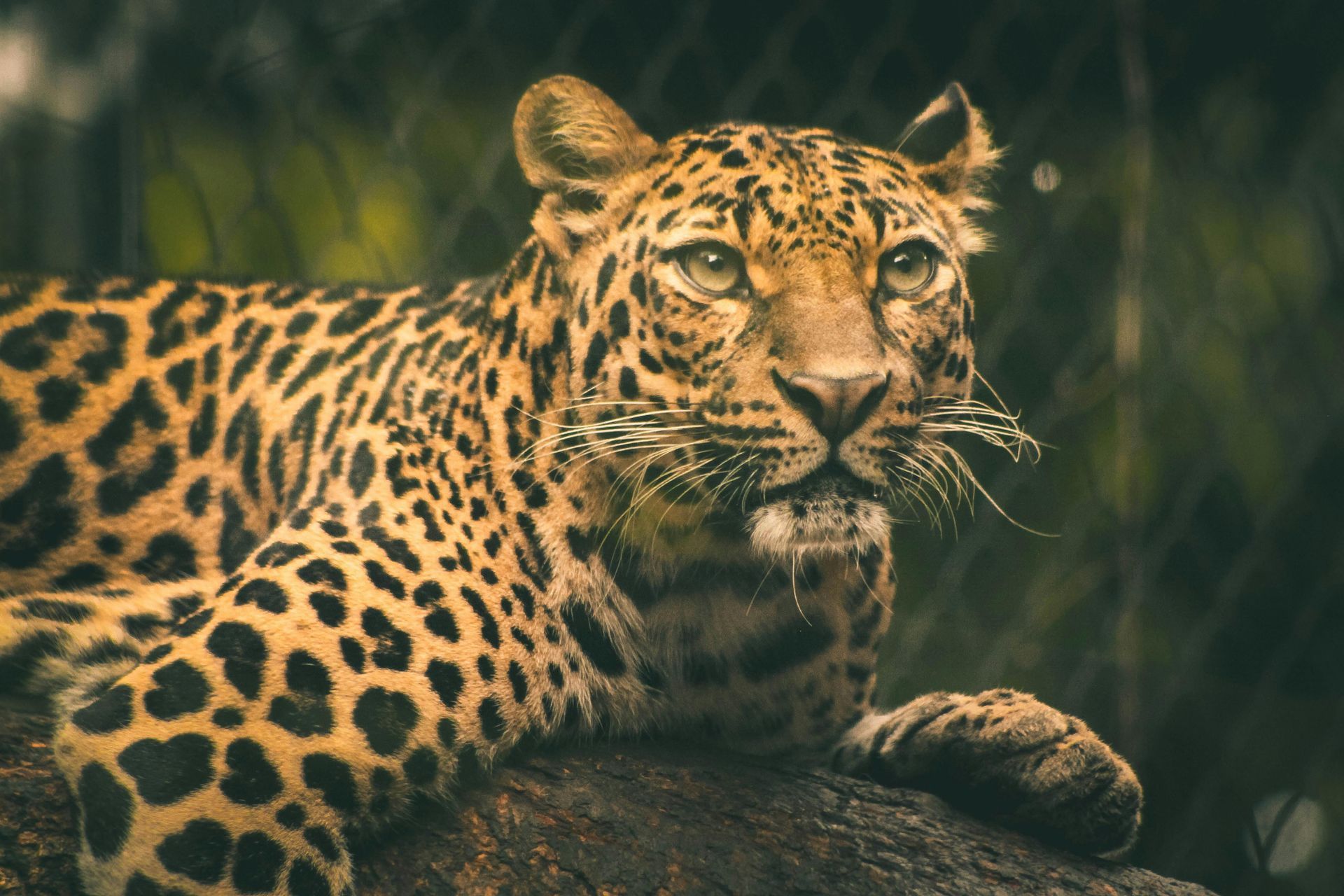
Leopards are among the most important and adaptable predators in Mozambique. As solitary hunters, they regulate prey populations across a wide range of habitats, from dense woodland and riverine forests to agricultural edges and community lands. Their presence helps prevent overgrazing, supports vegetation recovery, and maintains balance between herbivore species in fragmented landscapes. Unlike lions, leopards do not require prides, large prey herds, or open savanna.
Their flexibility allows them to persist where other predators disappear, making them a critical stabilising force in ecosystems under pressure. Leopards also act as ecological indicators. Their continued presence near human-modified environments reflects both resilience and risk, highlighting landscapes where coexistence is still functioning and where conflict is beginning to intensify.
Where Leopards Occur in Mozambique Today
Leopards are more widely distributed in Mozambique than any other large predator. They occur inside protected areas, forest reserves, community lands, and agricultural mosaics, often moving seamlessly between them. Gorongosa National Park supports a healthy leopard population benefiting from prey recovery and reduced hunting pressure, but many individuals range beyond park boundaries into surrounding settlements.
Niassa National Reserve also supports leopards, although their movements extend far beyond reserve borders into community-managed areas where interaction with people is frequent. This broad distribution explains both their survival success and their regular involvement in conflict, particularly where land use and wildlife overlap without buffers.

Why Leopards Survive Where Other Predators Do Not
Leopards survive in close proximity to people because of exceptional behavioural flexibility. They hunt a wide range of prey, including small antelope, rodents, birds, and feral animals, allowing them to adapt quickly when prey availability changes.
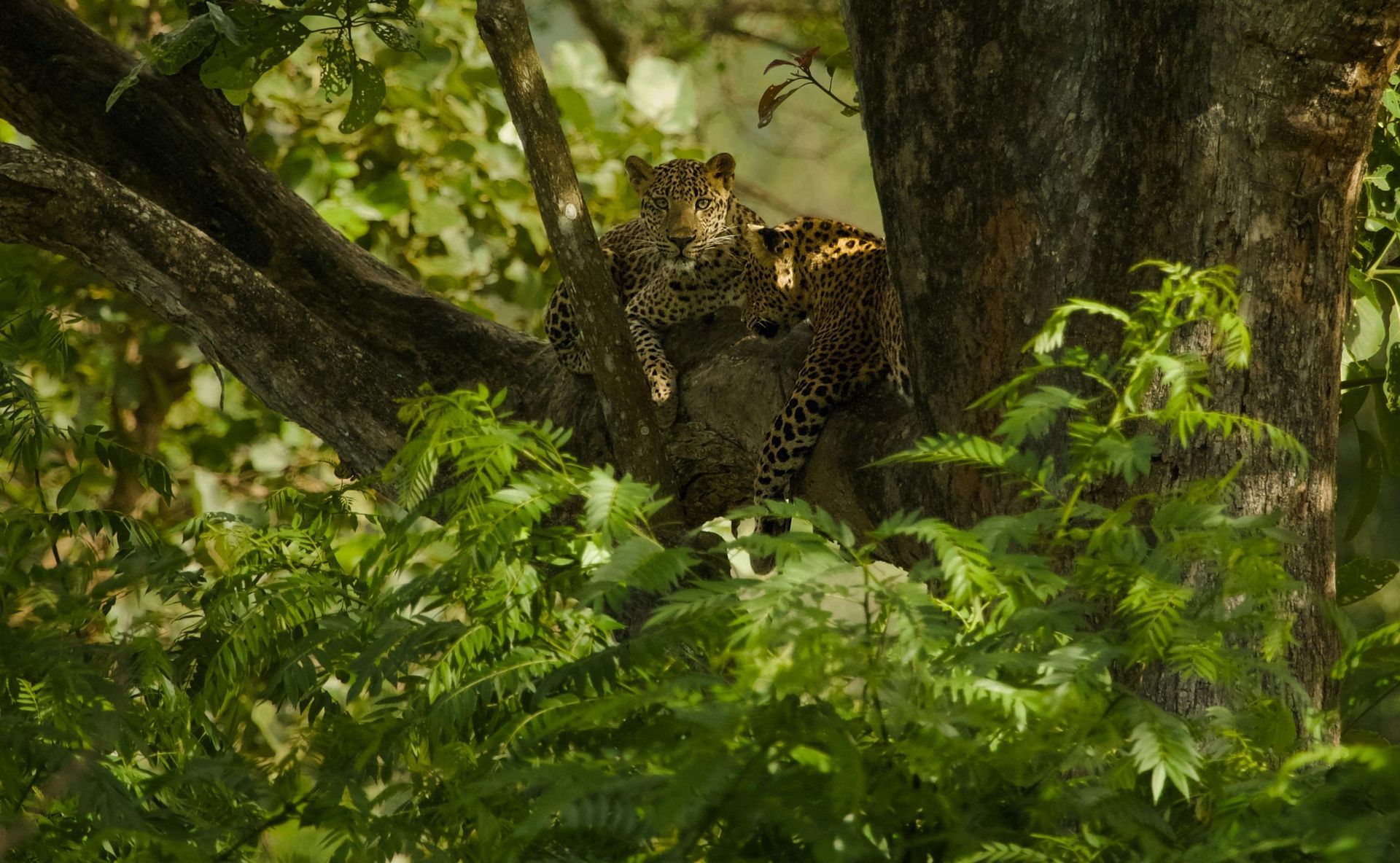
They are primarily nocturnal, reducing direct encounters with humans, and their ability to cache kills in trees allows discreet feeding while avoiding scavengers. Leopards also alter movement patterns rapidly in response to human activity, roads, livestock presence, and seasonal disturbance. This adaptability explains why leopards persist in landscapes long after lions, wild dogs, and cheetahs have disappeared.
Leopards and Human–Wildlife Conflict
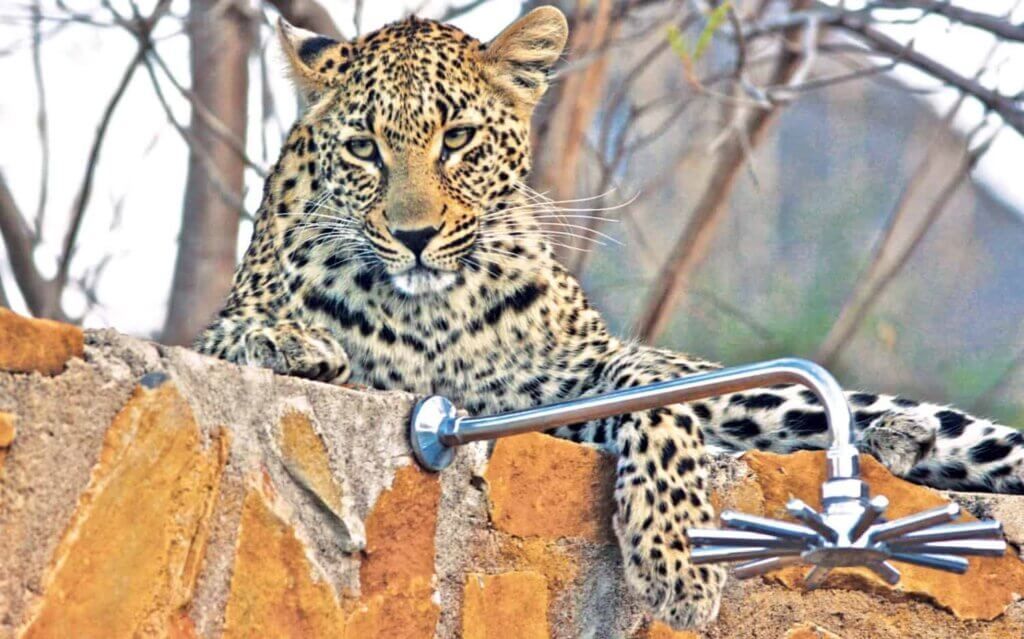
Despite their adaptability, leopards are frequently involved in human–wildlife conflict. Livestock predation is the most common trigger, particularly involving goats, poultry, and young cattle kept near homesteads. In many cases, leopards are blamed for losses caused by other predators, theft, or poor livestock management. Misidentification escalates conflict and often results in retaliatory killing. Occasional attacks on people, while rare, attract intense attention and deepen fear. These incidents typically occur where natural prey has declined or where leopards are forced into close contact with settlements due to habitat pressure.

Why Leopard Conflict Is Often Invisible
Unlike elephants or lions, leopard conflict is frequently underreported. Leopards hunt quietly, leave minimal physical evidence, and rarely cause dramatic single-event losses. This invisibility allows conflict to accumulate gradually. Households may absorb repeated small losses until tolerance thresholds are crossed, at which point retaliation can be sudden and severe. Understanding leopard conflict requires long-term observation, trust-based reporting, and recognition of cumulative impact rather than reaction to isolated incidents.
Snaring, Poisoning, and Indirect Threats
Leopards face significant indirect threats from snaring and poisoning. Snares set for bushmeat species frequently injure or kill leopards, often leading to prolonged suffering or starvation. Poisoned carcasses intended to kill predators can eliminate multiple animals at once, including scavengers that play important ecological roles. Even non-lethal poisoning disrupts behaviour, increases human contact, and destabilises territories. These threats are difficult to detect and usually occur far from protected area oversight, making enforcement challenging.

The Role of Prey Depletion
Prey availability strongly influences leopard behaviour. Where bushmeat hunting reduces wild prey, leopards are more likely to target livestock or scavenge near settlements. This shift increases visibility, fear, and conflict risk. Addressing leopard conflict therefore requires restoring prey populations alongside improving livestock protection. Efforts that focus only on removing individual “problem” animals rarely succeed unless the underlying ecological drivers are addressed.
Community-Based Approaches to Leopard Coexistence
Successful leopard coexistence depends on practical, community-led approaches. Improved livestock enclosures, nighttime corralling, guardian presence, and herding adjustments reduce losses significantly. Education programmes help communities identify predator signs accurately, reducing misattribution and unnecessary retaliation. Where communities receive tangible benefits from conservation, including employment and shared revenue, tolerance for leopards increases even in areas of frequent overlap.

Protected Areas and Edge Effects
Protected areas provide essential refuges for leopards, but most conflict occurs along reserve edges. As leopard populations recover within parks, dispersing individuals move into surrounding lands. Gorongosa National Park illustrates this dynamic clearly, with leopard recovery inside the park linked to increased movement into adjacent community zones. Managing edge effects requires buffer zones, land-use planning, rapid response teams, and clear communication between conservation authorities and local residents.
Tourism, Leopards, and Ethical Viewing
Leopards are highly sought after by travellers, making ethical viewing essential. Excessive tracking, pressure for sightings, or irresponsible night driving can disrupt natural behaviour and increase stress. Responsible tourism supports leopard conservation by funding protected areas and community programmes without increasing conflict. In Mozambique, leopard sightings remain meaningful precisely because they occur within functioning ecosystems rather than curated viewing environments.
Why Leopards Represent the Future of Coexistence
Leopards demonstrate that large predators can survive alongside people when landscapes allow flexibility and tolerance. Their success offers important lessons for broader conservation strategies in human-dominated regions. However, adaptability has limits. Without prey, space, and community tolerance, even leopards disappear. Mozambique’s leopard populations highlight both the potential and fragility of coexistence in modern African landscapes.
What Travellers Should Understand About Leopards in Mozambique
Leopards in Mozambique are not guaranteed sightings. Their presence is subtle, shaped by caution rather than abundance. Travellers should value the knowledge that leopards persist in these landscapes, even when unseen. Supporting conservation-driven destinations helps ensure this balance continues. Leopards are not just predators, they are negotiators in a shared landscape.
Frequently asked questions about leopards
Are leopards common in Mozambique compared to other safari destinations
Leopards are widely distributed in Mozambique but occur at lower densities than in heavily marketed safari regions. Their adaptability allows them to persist near communities, making them present but rarely visible. Sightings are less predictable, reflecting natural behaviour rather than population absence or poor conservation outcomes.
Why do leopards often come into conflict with people in Mozambique
Conflict usually arises when livestock is kept close to natural habitat or when wild prey declines due to hunting. Leopards target goats and poultry because they are easy prey. Misidentification and lack of rapid response often escalate conflict unnecessarily. Prevention focuses on better livestock protection and community engagement.
Are leopards dangerous to travellers in Mozambique
Leopards pose minimal risk to travellers when visits are guided responsibly. Attacks on people are extremely rare and usually linked to unusual circumstances. Lodges and guides follow strict safety protocols. Travellers should avoid walking unescorted at night and always follow guide instructions in wildlife areas.
Can leopard conservation succeed outside protected areas
Yes, but only with community participation. Leopards often live outside parks, so coexistence depends on livestock protection, prey availability, and tangible local benefits. Conservation succeeds where people see value in wildlife presence and receive support when conflict occurs.
SHARE THIS POST
Are You Ready FOr Mozambique?
Page through our packages and find the offer right for you!
Ready to Speak to a Mozambique Travel Expert?
Get In Touch and Ask for a Call-Back Today