Ethical Safari and Beach Holidays in Africa


By Mozambique Travel March 24, 2026

Why Ethical Travel in Africa Needs Clearer Definitions

Ethical travel in Africa is widely discussed but poorly defined. Many safari lodges and beach resorts use terms like sustainable, responsible, or eco-friendly without explaining what those claims actually mean in practice. For travellers, this makes it difficult to separate genuine conservation-aligned holidays from well-marketed experiences that deliver little long-term benefit.


Ethical safari and beach holidays are not defined by comfort level, price point, or rustic aesthetics. They are defined by impact. This includes how wildlife is protected, how communities benefit, how ecosystems are managed, and how tourism pressure is controlled. In Africa, where tourism often overlaps with fragile ecosystems and vulnerable communities, clarity matters.


What Makes a Safari Ethical in Practical Terms

An ethical safari prioritises wildlife welfare, ecological integrity, and long-term conservation outcomes over frequent sightings or high vehicle density. This means fewer vehicles per sighting, strict off-road driving rules, and limits on lodge density within sensitive areas.


Ethical safaris support protected areas financially through park fees, concessions, and partnerships that fund rangers, monitoring, and habitat management. They avoid artificial wildlife manipulation and respect natural behaviour, even when that reduces viewing certainty.


Equally important is transparency. Ethical safari operators are clear about where money goes, how conservation is funded, and what trade-offs exist. In Africa, ethical safaris often operate in places that prioritise recovery and protection over spectacle.


Ethics in Beach Holidays Are Often Overlooked

Beach holidays are frequently excluded from ethical travel discussions, yet their impact can be significant. Coastal development, marine wildlife interactions, waste management, and water use all affect fragile marine ecosystems.


An ethical beach holiday considers how resorts are built, how wastewater is treated, how marine activities are regulated, and whether local communities benefit economically. Unregulated snorkeling, irresponsible whale shark encounters, and unchecked resort development can cause lasting damage even when marketed as eco-friendly.


In Africa, ethical beach travel is inseparable from marine conservation. Responsible operators limit wildlife interactions, support marine protection, and work within clear regulatory frameworks.


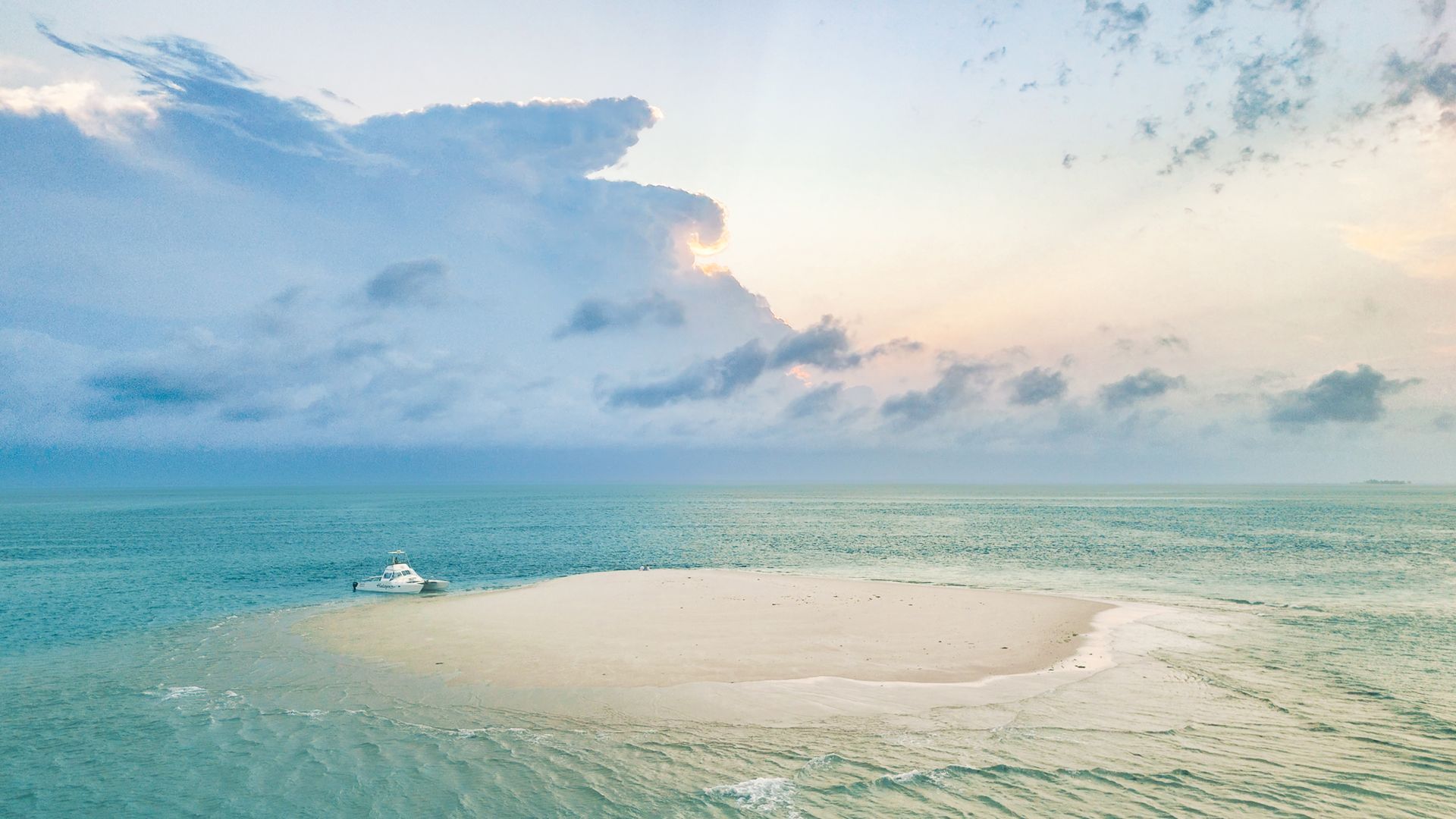
Person in a sunhat sits on a beach, facing the ocean with a small island in the distance.

Why Mozambique Offers a Useful Ethics Case Study

Mozambique provides a strong reference point for ethical safari and beach holidays because many of its tourism areas are still developing. Unlike destinations shaped by decades of high-volume tourism, Mozambique has largely avoided over-commercialisation.


Safari areas operate at low density, wildlife populations are recovering rather than overexposed, and tourism growth has been deliberately controlled. Along the coast, marine tourism is closely tied to conservation of species such as whale sharks, turtles, and dugongs, with increasing emphasis on regulation and community involvement.


Mozambique is not perfect, but it illustrates how ethical travel choices can be embedded early, before ecosystems are overwhelmed by demand.


Community Benefit as an Ethical Requirement

Ethical travel in Africa must deliver tangible benefits to local communities. Employment, training, revenue sharing, and long-term skills development are essential components of responsible tourism.

In safari areas, this includes ranger support, guiding roles, hospitality, and park operations. In coastal regions, it extends to marine guiding, boating, conservation monitoring, and hospitality services. When communities benefit directly, tolerance for wildlife increases and pressure on natural resources decreases.


Ethical travel avoids models that exclude communities from land, water, or economic participation. In Africa, conservation without community benefit rarely succeeds.


Marine Wildlife Interactions and Ethical Boundaries

Swimming with whale sharks, watching whales, or visiting turtle nesting beaches can be ethical or harmful depending on how activities are managed. Ethical operators follow strict guidelines, limit boat numbers, control encounter times, and prioritise animal welfare over guest satisfaction.


In Africa’s marine environments, ethical travel means accepting limits. Not every encounter happens on demand. Responsible operators cancel activities when conditions are unsuitable and educate guests about why restraint matters.


Mozambique’s growing emphasis on regulated marine tourism highlights how ethics depend on enforcement and education, not marketing promises.

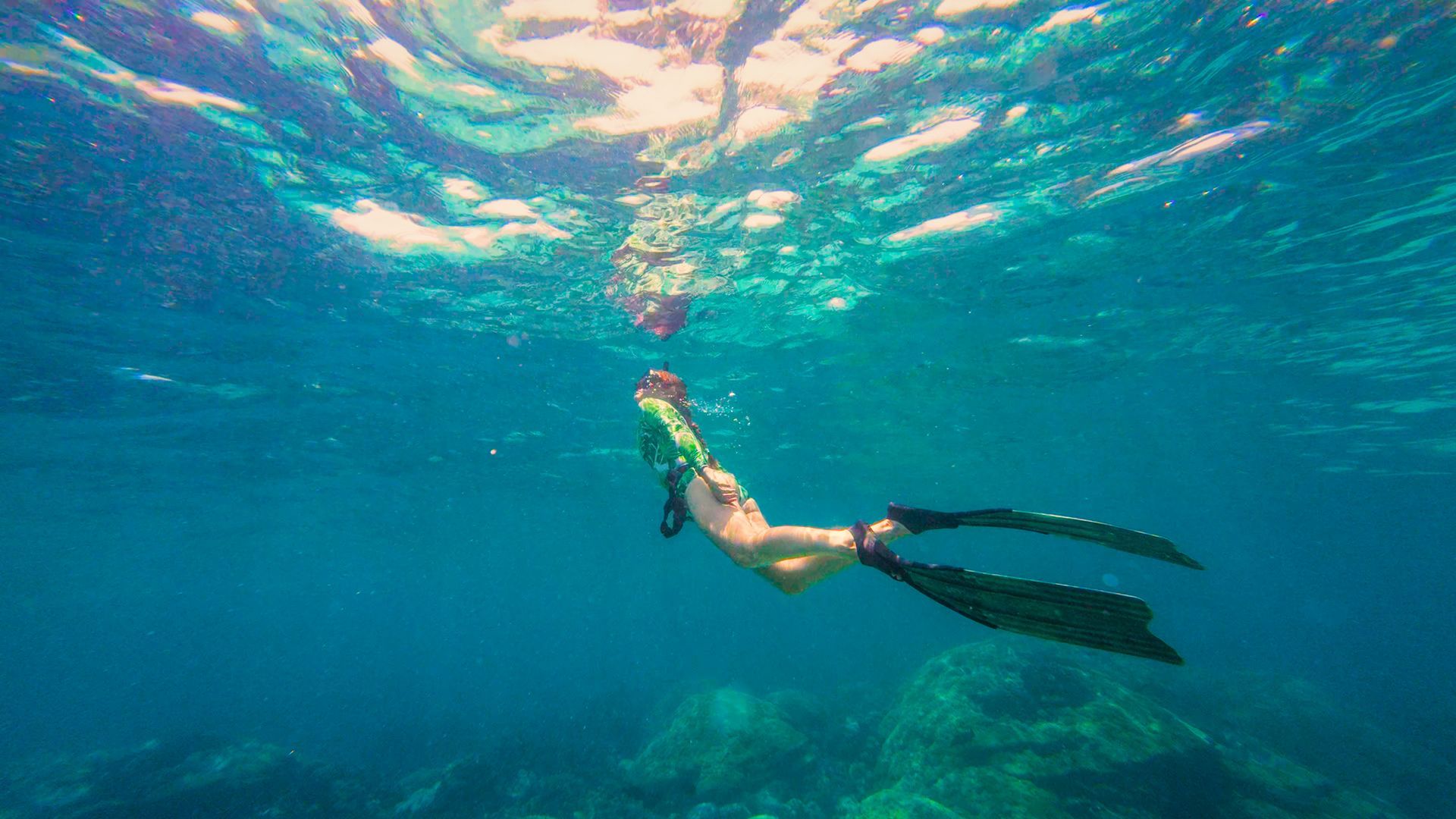
Snorkeler swimming underwater in clear blue ocean above a coral reef

Lodge Design, Scale, and Environmental Footprint

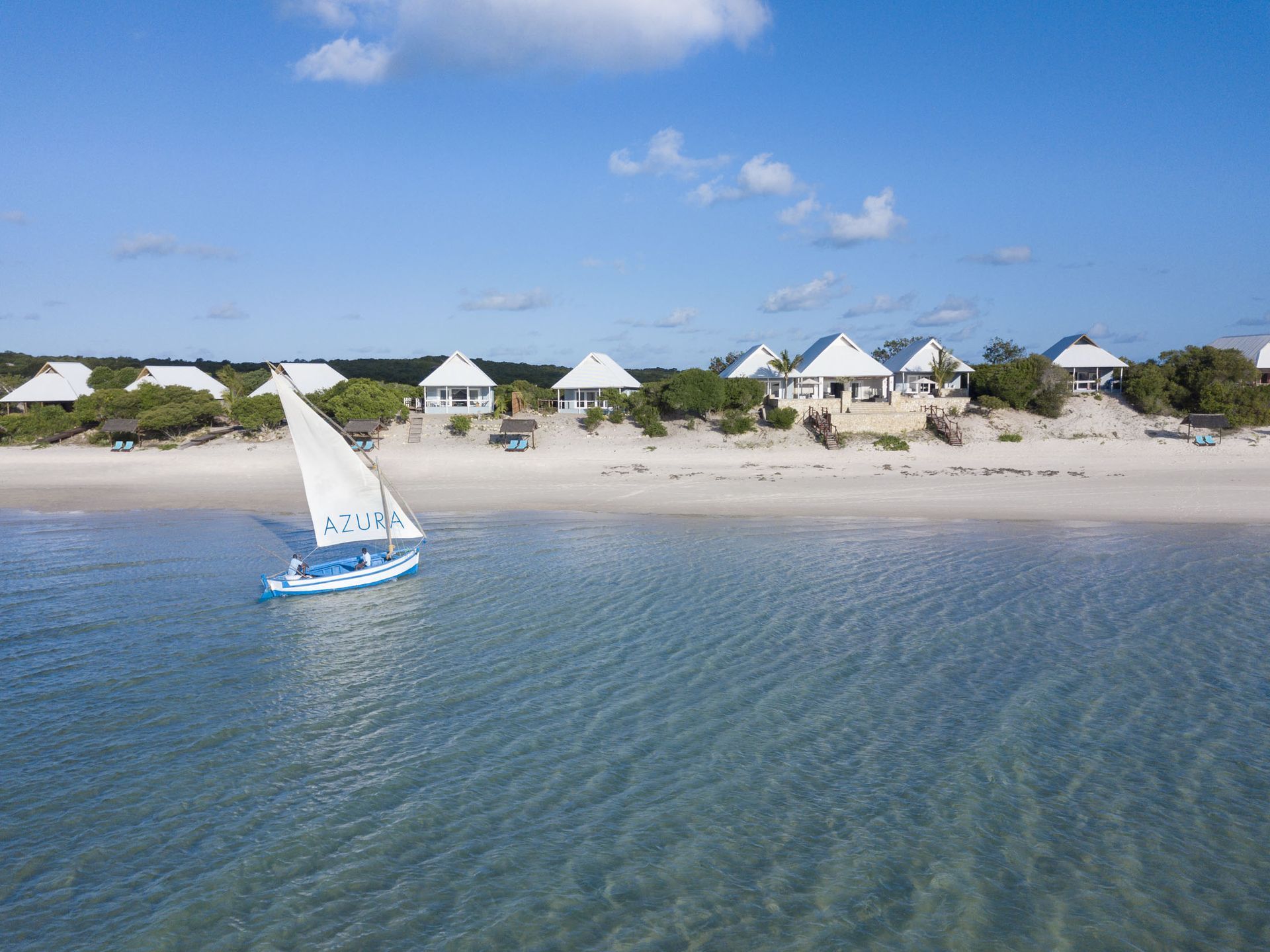
Ethical safari and beach lodges minimise environmental footprint through careful site selection, limited scale, and appropriate infrastructure. Water use, waste treatment, energy generation, and building materials all influence long-term impact.


Large, high-density resorts place strain on ecosystems regardless of green branding. Ethical lodges prioritise fewer rooms, lower water consumption, and integration with surrounding landscapes. Comfort and ethics are not mutually exclusive, but scale matters.


In Africa, ethical accommodation choices often involve trade-offs between convenience and conservation impact.


The Traveller’s Role in Ethical Holidays

Ethical travel is not solely the responsibility of operators. Travellers influence outcomes through their choices, expectations, and behaviour. Demanding constant wildlife sightings, unrestricted access, or excessive activities increases pressure on ecosystems.


Ethical travellers stay longer in fewer places, accept variability in wildlife encounters, and choose operators aligned with conservation goals. Asking informed questions about impact, community benefit, and regulation helps reinforce ethical practices across the industry.


Greenwashing and How to Avoid It

Greenwashing remains one of the biggest challenges in ethical travel. Vague sustainability claims, token community projects, and unverified conservation statements are common across Africa’s tourism sector.

Travellers can avoid greenwashing by looking for specificity. Ethical operators explain how conservation is funded, how communities benefit, and what limits are in place to reduce impact. Transparency, not perfection, is the key indicator of ethical intent.


Plan Your Trip

Ethical safari and beach holidays require planning beyond price and location. Understanding conservation context, seasonal pressures, and local dynamics helps ensure travel choices align with long-term protection and community well-being.


Travel with Purpose, Not Assumptions

Ethical safari and beach holidays in Africa are defined by outcomes rather than labels. Mozambique Travel works with partners who prioritise conservation impact, community benefit, and responsible growth. If you want your holiday to reflect ethical choices without compromising quality, our team can help guide you through the options that genuinely make a difference.

Featured Packages

  • What makes a safari holiday ethical in Africa?

    An ethical safari prioritises wildlife welfare, low vehicle density, and long-term conservation funding. It supports protected areas financially, respects natural animal behaviour, and avoids practices that increase pressure on ecosystems. Ethical safaris are transparent about their impact and operate within clear conservation frameworks rather than focusing solely on guest satisfaction.

  • Are beach holidays compatible with ethical travel?

    Yes, beach holidays can be ethical when resorts manage waste, water use, and marine activities responsibly. Ethical beach travel supports marine conservation, limits wildlife interactions, and benefits local communities economically. Regulation and enforcement are critical, particularly in sensitive coastal and marine environments.

  • How can travellers identify greenwashing in tourism?

    Greenwashing often relies on vague claims without evidence. Travellers should look for specific explanations of conservation funding, community involvement, and environmental management. Ethical operators are transparent about limitations, challenges, and trade-offs rather than claiming perfection.

  • Does ethical travel mean giving up comfort?

    No. Ethical travel is not about sacrificing comfort but about choosing experiences that balance quality with impact. Many ethical lodges offer high comfort levels while maintaining low density, responsible resource use, and strong conservation partnerships.

  • Why is Mozambique often referenced in ethical travel discussions?

    Mozambique is referenced because many of its safari and beach destinations remain low-density and conservation-focused. The country has avoided some of the over-commercialisation seen elsewhere, making it a useful case study for ethical tourism models still being shaped responsibly.

  • How can travellers make their safari or beach holiday more ethical?

    Travellers can choose conservation-aligned operators, stay longer in fewer locations, respect wildlife interaction guidelines, and ask informed questions about impact. Ethical travel begins with awareness and realistic expectations rather than marketing claims.

SHARE THIS POST

Are You Ready FOr Mozambique?

Page through our packages and find the offer right for you!


Ready to Speak to a Mozambique Travel Expert?

Get In Touch and Ask for a Call-Back Today

Latest Posts

Scuba diver beside a coral reef teeming with colorful tropical fish underwater
By Mozambique Travel May 22, 2026
Two Mile Reef in the Bazaruto Archipelago is Mozambique’s most famous reef. Explore snorkelling, diving, marine life, dugongs, and access.
Sunlit riverbank with tall grasses, dense green trees, and a warm golden sky at dawn or dusk
By Mozambique Travel May 21, 2026
Human–wildlife conflict in Mozambique explained. Lions, elephants, wild dogs, communities, causes, consequences, and what actually works.
Wild African dog standing on a rocky mound against a blurred green background
By Mozambique Travel May 20, 2026
African wild dogs in Mozambique: learn where they survive, conservation efforts, threats, and the future of Africa’s most endangered predator.
Aerial view of a white sandbar curving through green-blue water near a small sandy island
By Mozambique Travel May 18, 2026
Benguerra Island accommodation explained in depth. Learn why Benguerra offers the best places to stay in Mozambique’s Bazaruto Archipelago.
Person sitting by a turquoise spring watching goats in a rocky desert landscape
April 27, 2026
Sabi Sands and Bazaruto explained for 2026. Discover how this safari and beach pairing balances wildlife intensity with island recovery for a seamless holiday.
Aerial view of a tropical beach with turquoise water, white sand, and a speedboat leaving a wake.
April 21, 2026
Find the right African island for your travel style. Compare Mozambique, Bazaruto, and Benguerra to match energy, access, and experience with confidence.
Show More