

The Empowered Community of Gorongosa National Park
By Mozambique Travel • October 16, 2025
Community-Led Conservation in Gorongosa
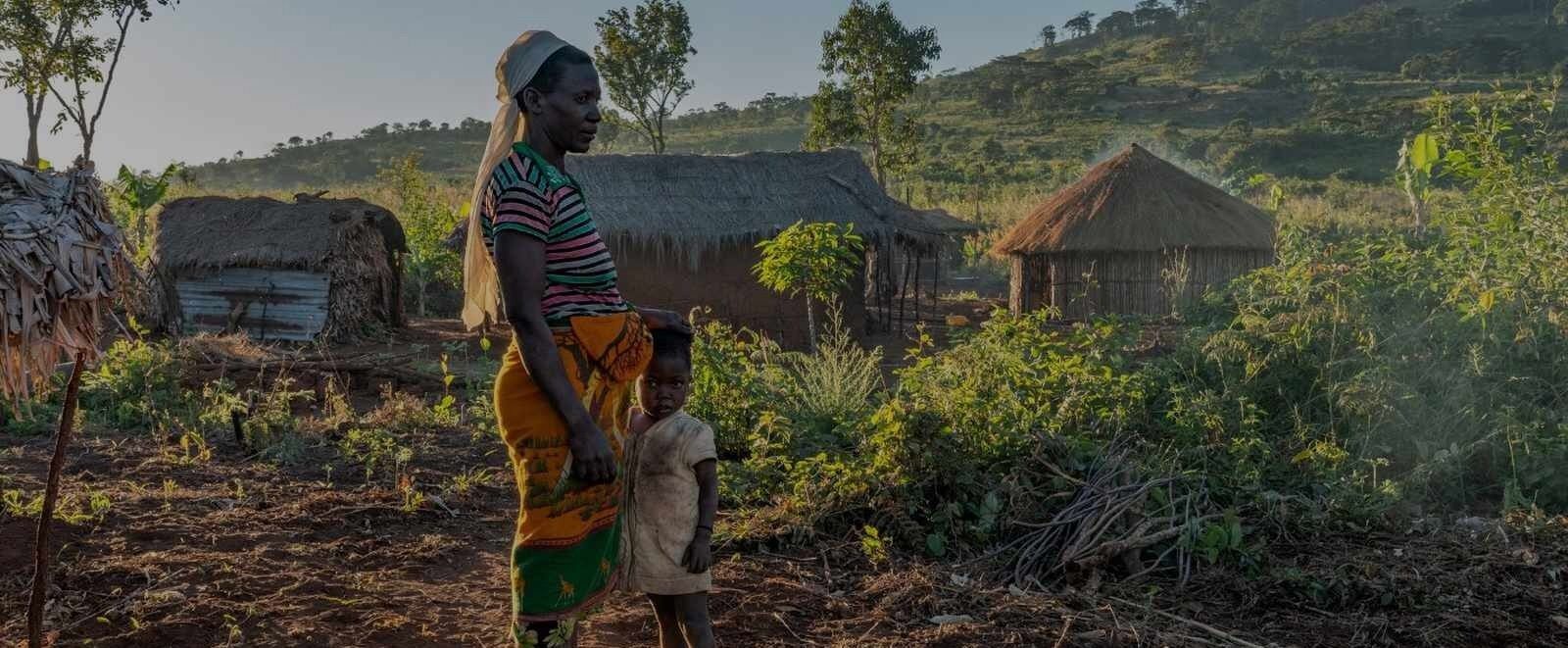
Community-led conservation lies at the heart of Gorongosa National Park, where people and nature are part of a shared future. For decades, Gorongosa has demonstrated that successful biodiversity protection stems from empowering the communities who live beside the park. This model has transformed the region into one of Africa’s most progressive conservation landscapes, where ecological recovery and human wellbeing advance together. In Mozambique, Gorongosa is recognised as a leading example of sustainable development guided by science, indigenous knowledge, education, and inclusive management.
Why Community Engagement Drives Gorongosa’s Success
Gorongosa is one of the most successful community-integrated conservation projects in Africa. Its approach blends community-based natural resource management with scientific expertise and deep cultural understanding. Local families hold critical ecological knowledge built over generations, while researchers bring the tools to restore landscapes and monitor wildlife. Together, they manage forests, protect water sources, and support ecotourism growth.
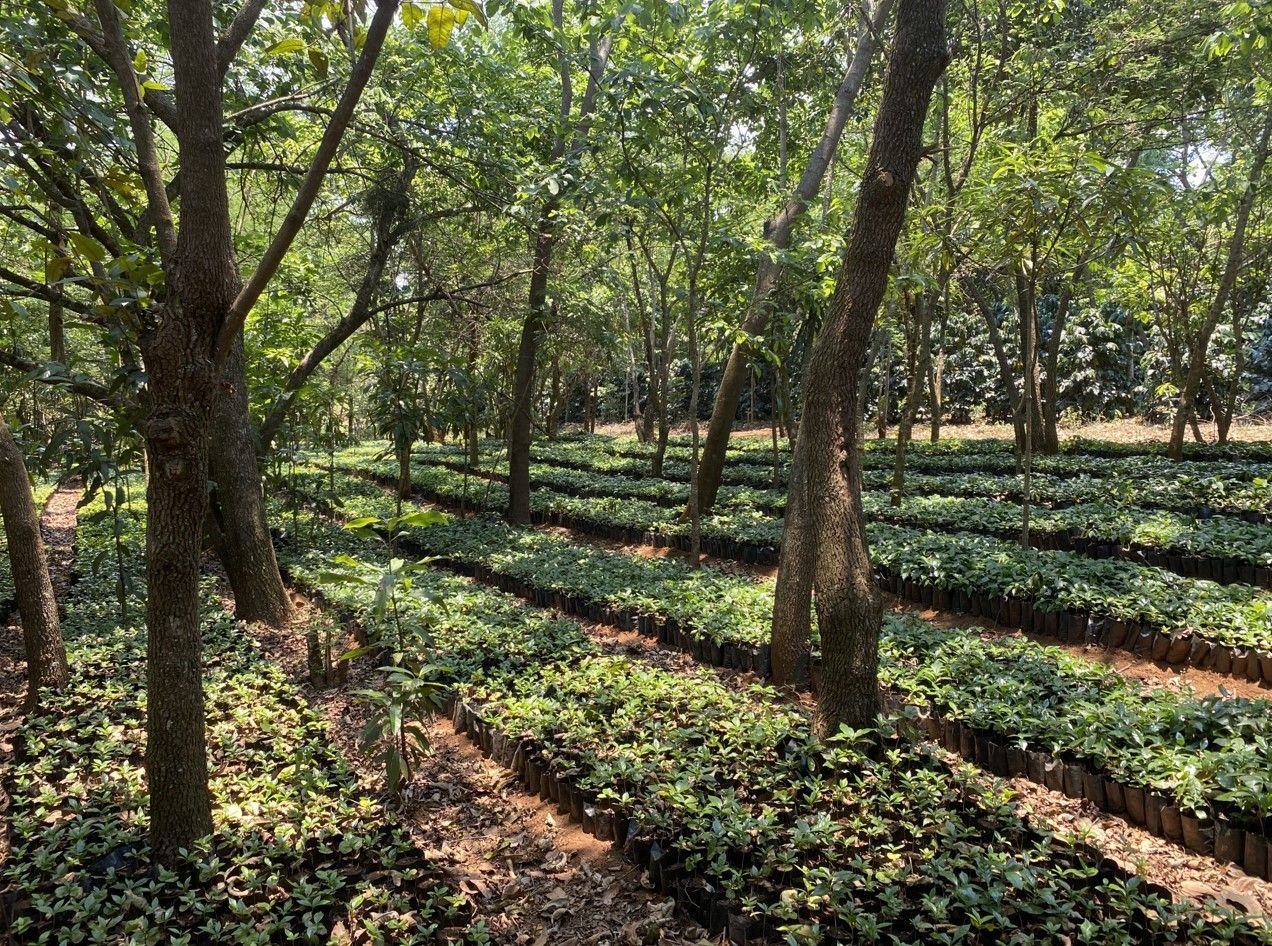
The Gorongosa Restoration Project invests in forest recovery, shade-grown coffee, cashew orchards, honey production, education programs, and sustainable livelihoods. This mixed land-use system reduces pressure on natural resources and strengthens climate resilience. In turn, the park benefits from community stewardship, healthier landscapes, and reduced threats such as poaching and deforestation.
Gorongosa’s Community Achievements in 2025
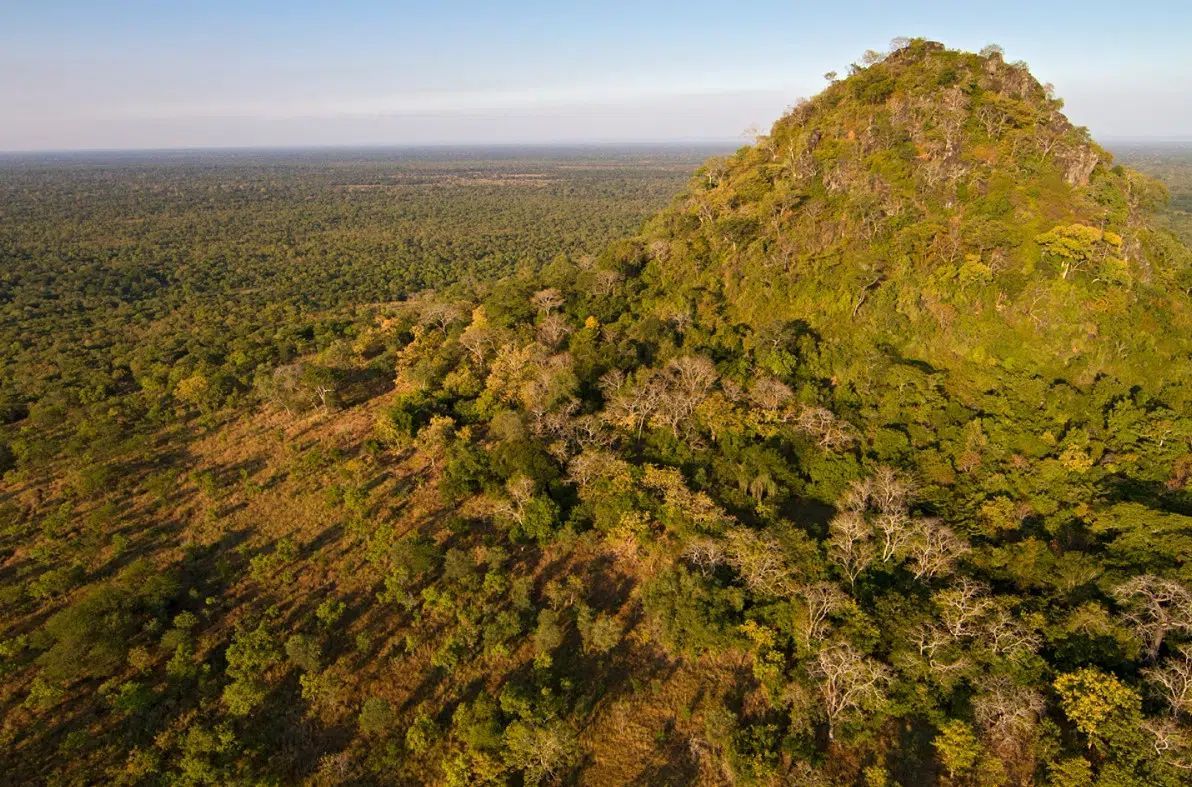
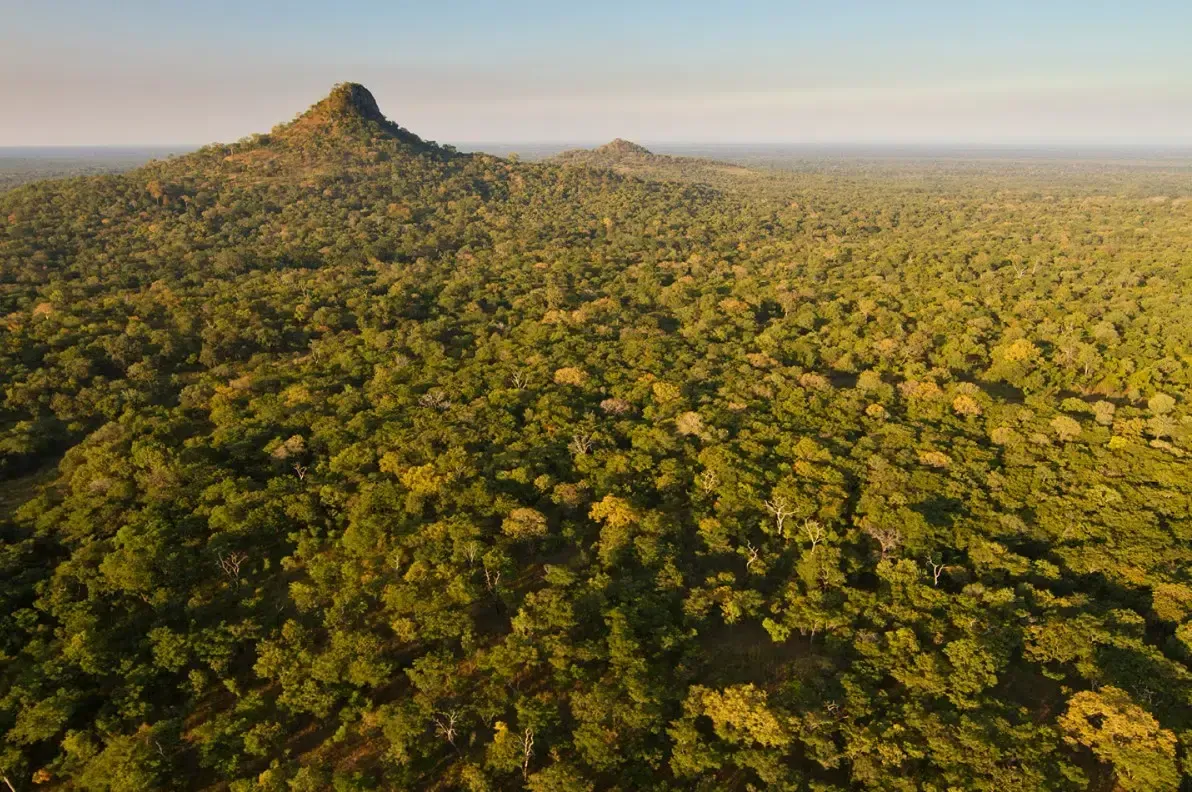
In 2025, Gorongosa expanded its landscape corridor work, improving connectivity between Mount Gorongosa’s rainforests and the plains below. Additional sections of the buffer zone were restored, reducing erosion and improving water security for local villages. More than 250 new community rangers were trained in natural resource management, creating jobs while increasing habitat protection.
Education programs also grew, with new classrooms built in three buffer-zone communities and expanded conservation curriculum aligned with local languages. Women-led agricultural groups reported higher seasonal yields thanks to improved seed banks and agroforestry training. These 2025 achievements highlight Gorongosa’s commitment to inclusive progress and long-term community stability.
New 2025 Community-Based Forestry and Livelihood Milestones
This year saw major advances in community forestry. Local cooperatives planted more than 300,000 indigenous saplings, strengthening watershed protection around Mount Gorongosa. These restored forests support wildlife and provide shade for coffee crops, linking livelihood security to ecological recovery. A new community-managed timber zone also entered its first low-impact harvesting phase, guaranteeing fair income while maintaining strict sustainability guidelines.
Three new community marketplaces were built, allowing families to sell honey, vegetables, and sustainably harvested products directly to buyers. These markets reduce transport barriers, increase household income, and create circular local economies. The 2025 developments show how Gorongosa continues to expand economic resilience without compromising biodiversity.
Human Rights, Inclusion, and Shared Stewardship
Gorongosa is built on the principle that conservation succeeds when people are included, not excluded. More than 200,000 people live in the buffer zone and rely on fishing, farming, and natural resources. Comprehensive support programs increase food security, diversify income, and provide training for both men and women.
Children benefit from environmental education lessons where they learn how ecosystems function and why conservation matters. Adults participate in workshops on sustainable agriculture, fire management, and enterprise development. These initiatives empower communities as co-managers of the landscape and reinforce the park’s mission to protect biodiversity through shared responsibility.
How Trust Was Rebuilt Between Gorongosa and Local Communities
For much of the last century, Gorongosa’s people were excluded from land they once depended on. Colonial restrictions, land seizures, and years of conflict created deep mistrust. The civil war devastated both communities and ecosystems, and many families lived in hardship for decades.
The decision years later to include local people in the management and ownership of the Gorongosa biodiversity riches was truly a historic and humanitarian milestone. Mozambique is 10th in the world’s most vulnerable to disaster countries due to its civil unrest, its droughts and cyclones, and now its terrorism and climate change issues. Food security and economic stability for rural people have taken a huge knock, weakening the entire country in terms of social, economic and environmental stability. The Gorongosa Restoration Project is changing all of this, empowering the Gorongosa municipality and ensuring long-term biodiversity preservation.
The modern Gorongosa model reversed this history by placing communities at the centre of decision-making. Local leaders work directly with the Gorongosa team to guide policies, manage fire risk, and regulate natural-resource use. Women and youth are included in councils and conservancy boards. This inclusive approach has created trust, strengthened protection of critical habitats, and opened pathways for long-term prosperity
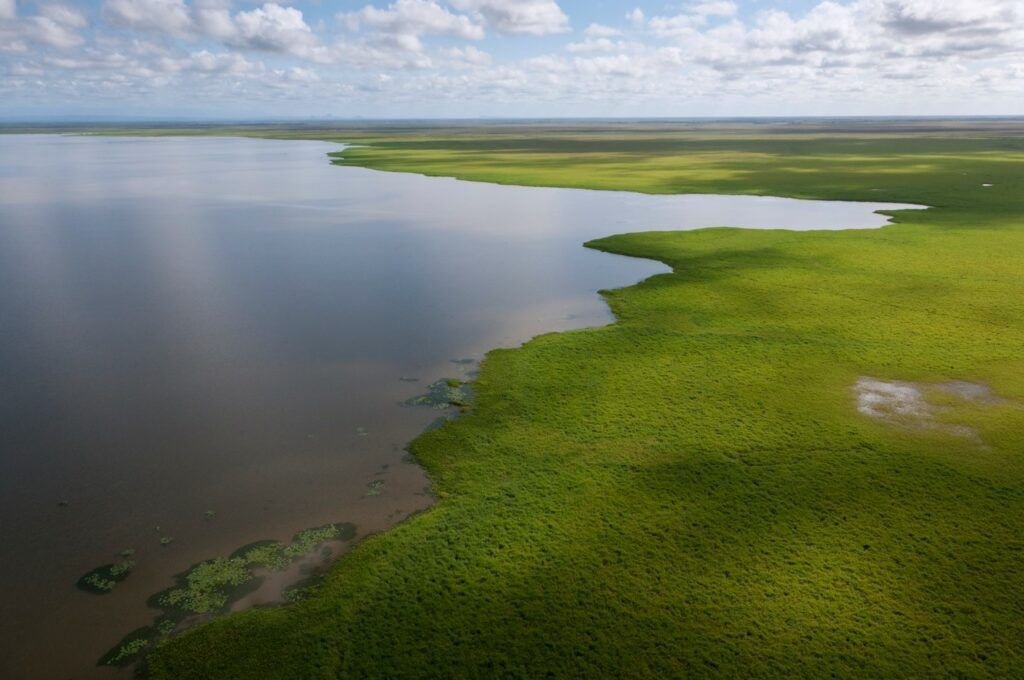
The Fearless Rangers of Gorongosa National Park
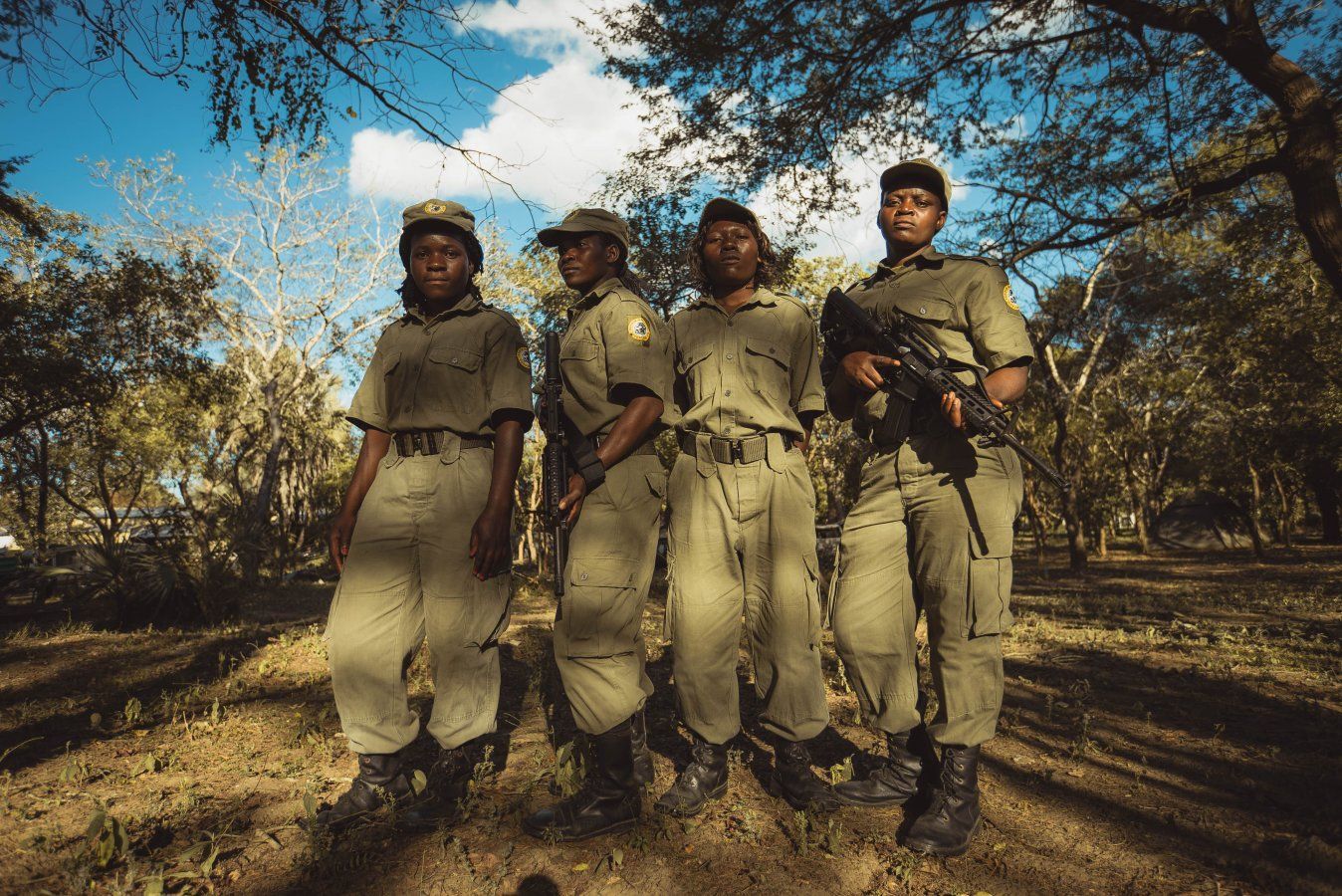
Gorongosa’s 260 wildlife rangers are local heroes who protect both wildlife and people. Many grew up in nearby villages, making them trusted guardians of the landscape. Their work spans anti-poaching patrols, rescues of endangered species, snare removal, and monitoring of reintroduced wildlife such as painted wolves and leopards.
These rangers also support educational programs, assist with community outreach, and provide security during climate emergencies. Their presence has contributed to a 60 percent drop in snares, reduced pangolin trafficking, and a dramatic decrease in illegal logging. Satellite tracking, improved radio coverage, and
modern law enforcement training strengthen their effectiveness in one of Africa’s most complex ecosystems.
The Leadership Behind Gorongosa’s Community Renaissance
Head Warden Pedro Estêvão Muagura plays a pivotal role in linking conservation with human development. Recognised internationally for his contributions, he spearheads programs that integrate forestry, community livelihoods, and scientific research. His work has helped halt rainforest loss, improved livelihoods through sustainable agriculture, and trained new generations of Mozambican conservationists.
Under his leadership, Gorongosa has become a model for protected areas seeking to merge ecological integrity with human rights. The Kenton R. Miller Award acknowledged his groundbreaking achievements and his ability to inspire both communities and conservation teams.
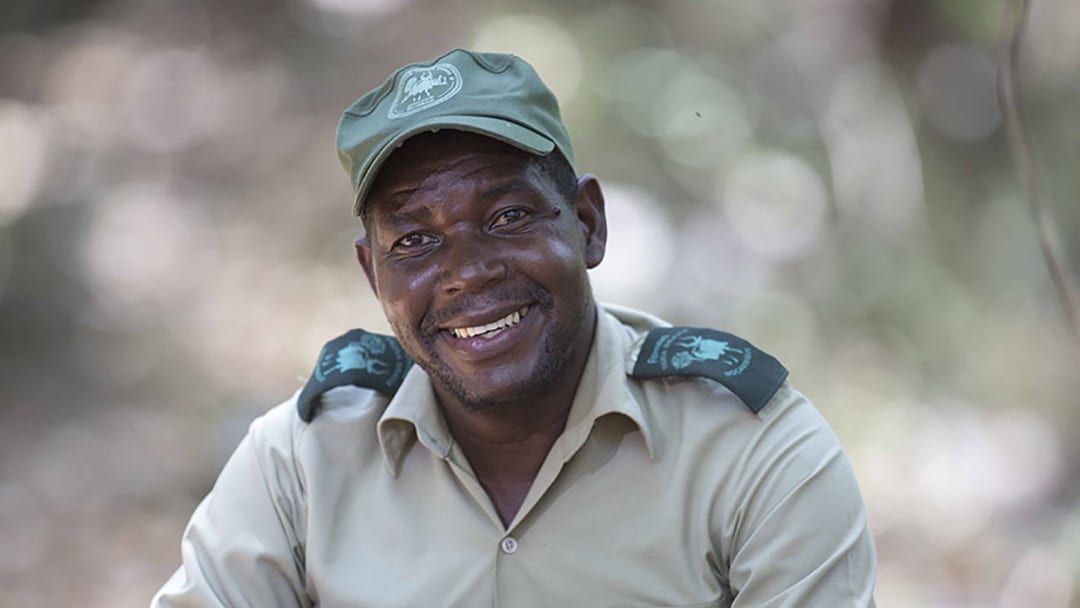
Pedro joined Gorongosa National Park in 2006 as an instructor to help train workers as part of the reforestation program on Mount Gorongosa. He graduated as a full-time coordinator of the reforestation program of Gorongosa Park and Mountain in 2010 and in 2012, he assumed his present post.
Poaching Declines as Communities Take the Lead
Community education and ranger patrols have helped reduce poaching dramatically. Increased wildlife awareness, new livelihood opportunities, and strong community-ranger relationships empower local families to report illegal activities. Pangolin rescues, predator monitoring, and anti-trafficking operations have increased survival rates across multiple species. With each passing year, Gorongosa shows how shared stewardship can transform conservation outcomes.
Science and Education as Foundations for Future Prosperity
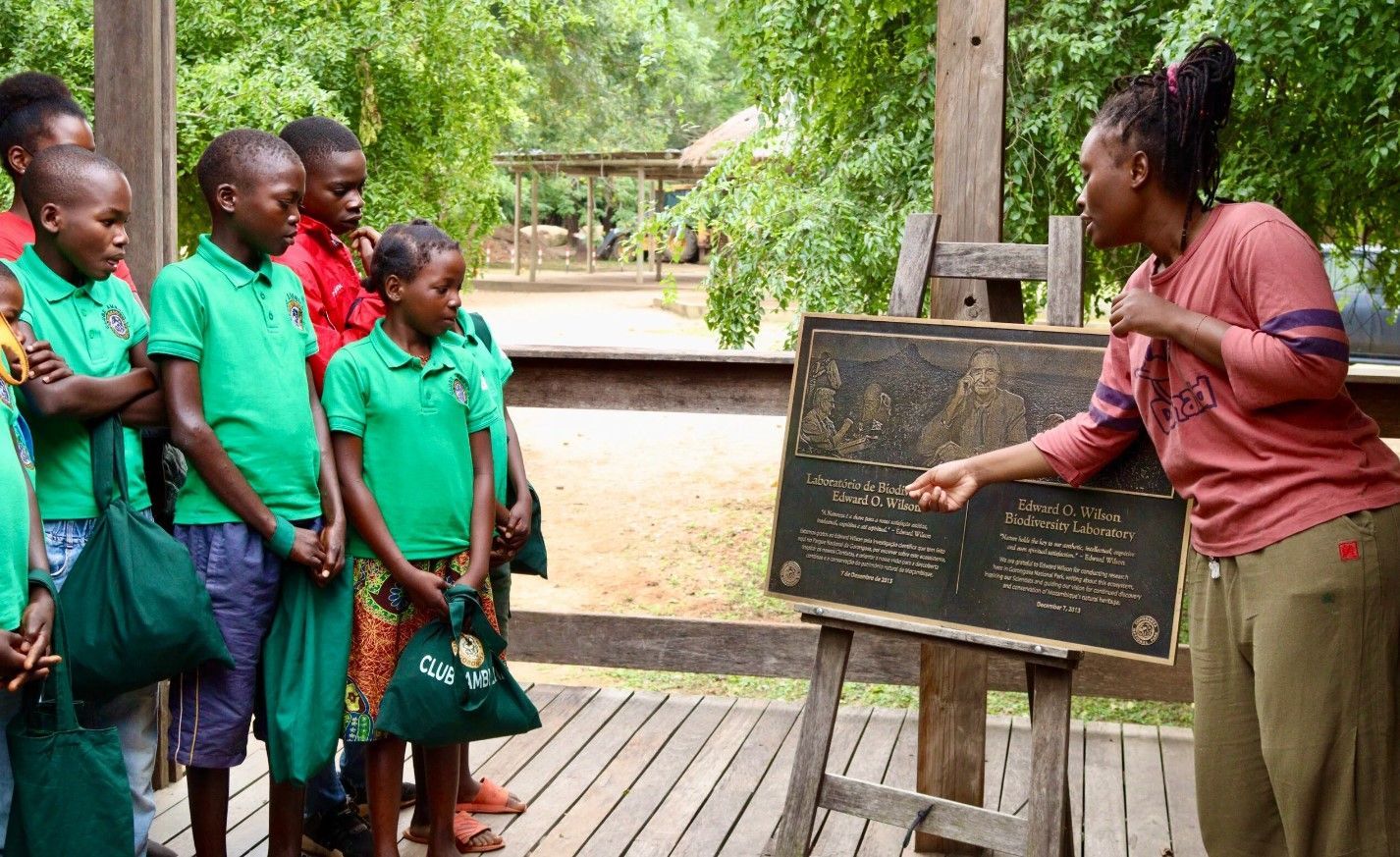
Scientific research drives decision-making in Gorongosa. The E. O. Wilson Biodiversity Laboratory supports training for Mozambican students, offering workshops, fellowships, and postgraduate opportunities. It also houses the country’s only Master’s degree in Conservation Biology delivered inside a national park. Students gain practical field experience and learn to integrate science with cultural knowledge, shaping a new generation of conservation leaders.
This model has global relevance. It demonstrates how national parks can function as educational hubs where local scientists have the tools to lead research, innovate solutions, and protect ecosystems.
African wild dogs and pangolins are iconic species with special habitat needs so saving these species in Gorongosa Mozambique will automatically save their natural habitat and ensure the ongoing conservation of wildlife and landscape in Africa. Community involvement is a necessary part of this inspiring story of the pangolin rehabilitation project and the relocation of African wild dogs to Gorongosa National Park in Mozambique.
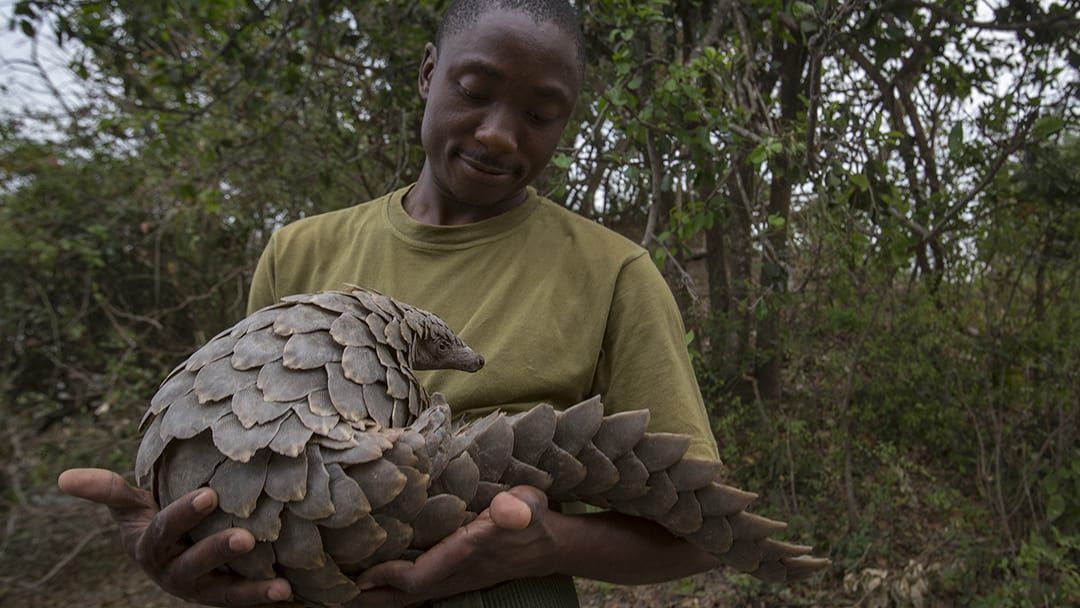
Poaching has declined dramatically with community support in Gorongosa National Park Mozambique and the rangers rescued 13 trafficked pangolins in 2019 alone while authorities confiscated nearly 50 tons of pangolin scales. In 2020, they sent another 31 rescued pangolins to the newly created Pangolin Rehabilitation Centre in the Park then guarded them closely upon their release back into the park.
Wildlife rangers guard all animals closely using satellite technology – each individual is tagged and constantly monitored for research and survival reasons. As communities become more aware of Pangolins through education programmes, they reveal more to authorities, helping to reduce the trafficking over the years. Ecotourism helps to fund this programme and highlights the benefits for both parks and communities.
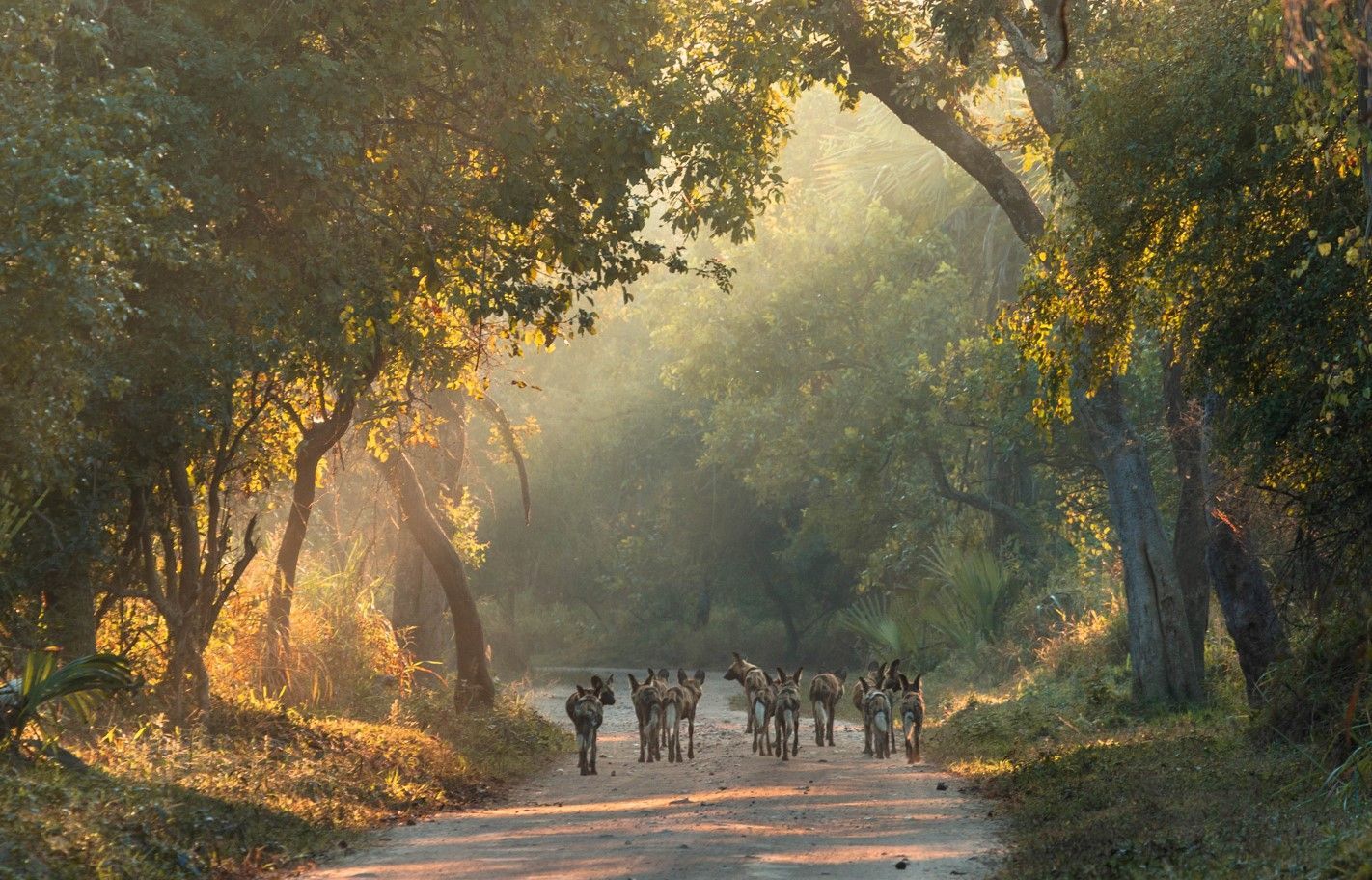
All men and women who join the wildlife rangers’ team endure grueling training over 60 days to be fit and prepared for the hard work ahead of them. An award-winning National Geographic documentary “On the Front Line – The Rangers of Gorongosa” records the courage, skill and passion of the men and women protecting Mozambique’s beautiful conservation areas.
Local Heroes and Scientists Now Employed in Their Own Back Yard in Gorongosa Park
The bottom line for the groundwork on the front line is science, and science is the basis of most global knowledge. According to the Science Council, ’science is the pursuit and application of knowledge and understanding of the natural and social world following a systematic methodology based on evidence.’
The Gorongosa Restoration Project uses science to assist them in finding out more about the park’s needs, to be better able to conserve fauna and flora. They use science to actively address threats like poaching and illegal wildlife trade, and people on the ground deal with landscape changes and requirements. Gorongosa National Park has set up an innovative science programme with a ripple effect on local communities aimed at long-term biodiversity conservation and protection for parks in Mozambique.
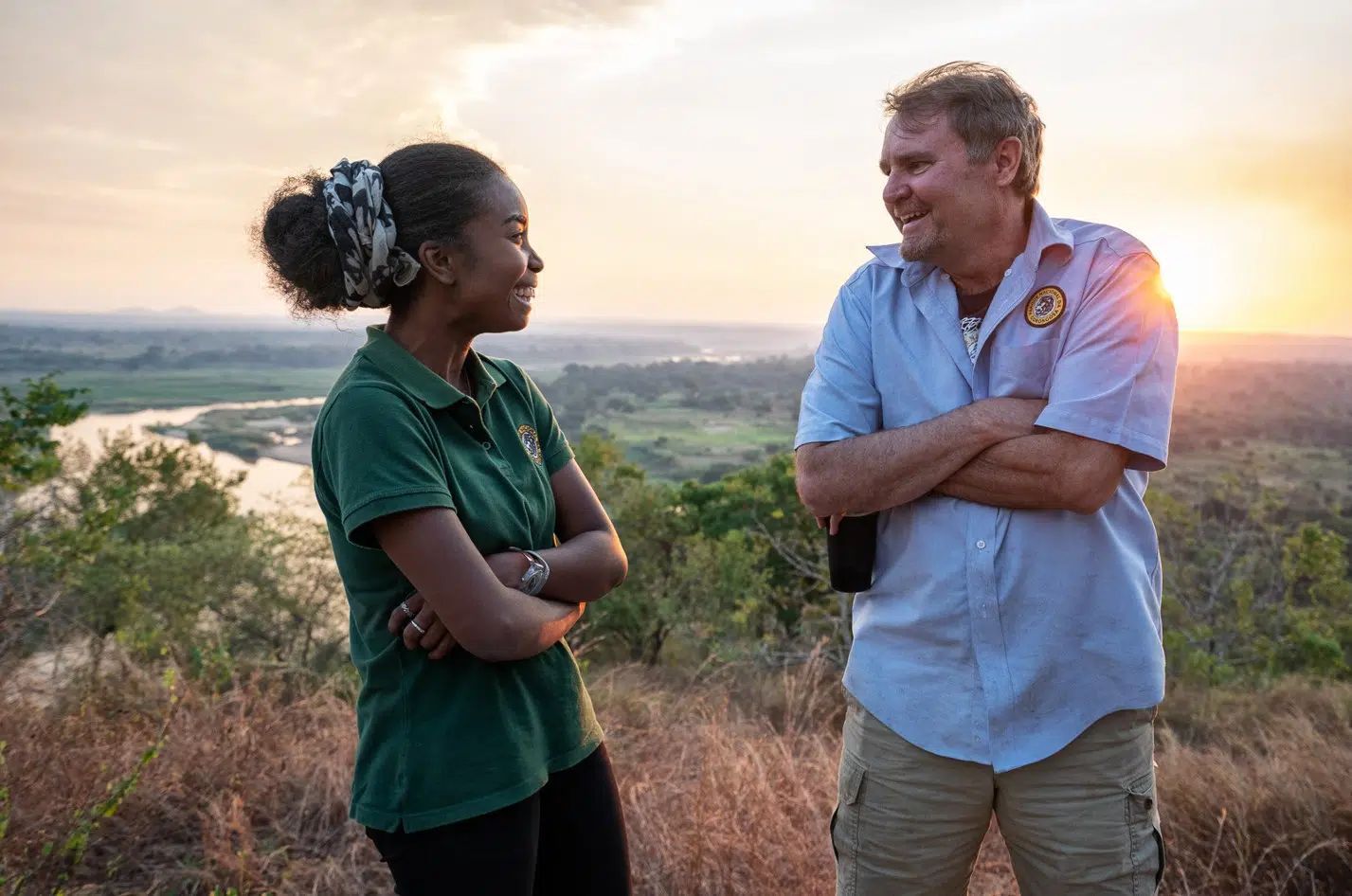
The Gorongosa Biodiversity Science Education Program (BioEd) is a central feature of the E.O. Wilson Biodiversity Laboratory at Gorongosa National Park aimed at mentoring Mozambican students, biologists, and conservation leaders in conservation research. They get practical empowering workshops, research fellowships, and higher education opportunities, including entry into the one-of-a-kind Gorongosa Master’s in Conservation Biology Program, the only MSc in conservation biology in Mozambique. It also focusses extensively on Mount Gorongosa as a biodiversity hotspot for the welfare of future generations.
Plan Your Gorongosa Safari with Mozambique Travel
If you want to experience how people and nature thrive together, Gorongosa is a destination unlike any other. Mozambique Travel offers custom safaris that highlight conservation achievements, community encounters, and wildlife recovery. Our team has over 20 years of expertise and will design seamless journeys that combine Gorongosa’s wilderness with Mozambique’s pristine beaches. We handle lodge bookings, transfers, and guided experiences so you can connect with a landscape where conservation and community empowerment go hand in hand.
Featured Packages
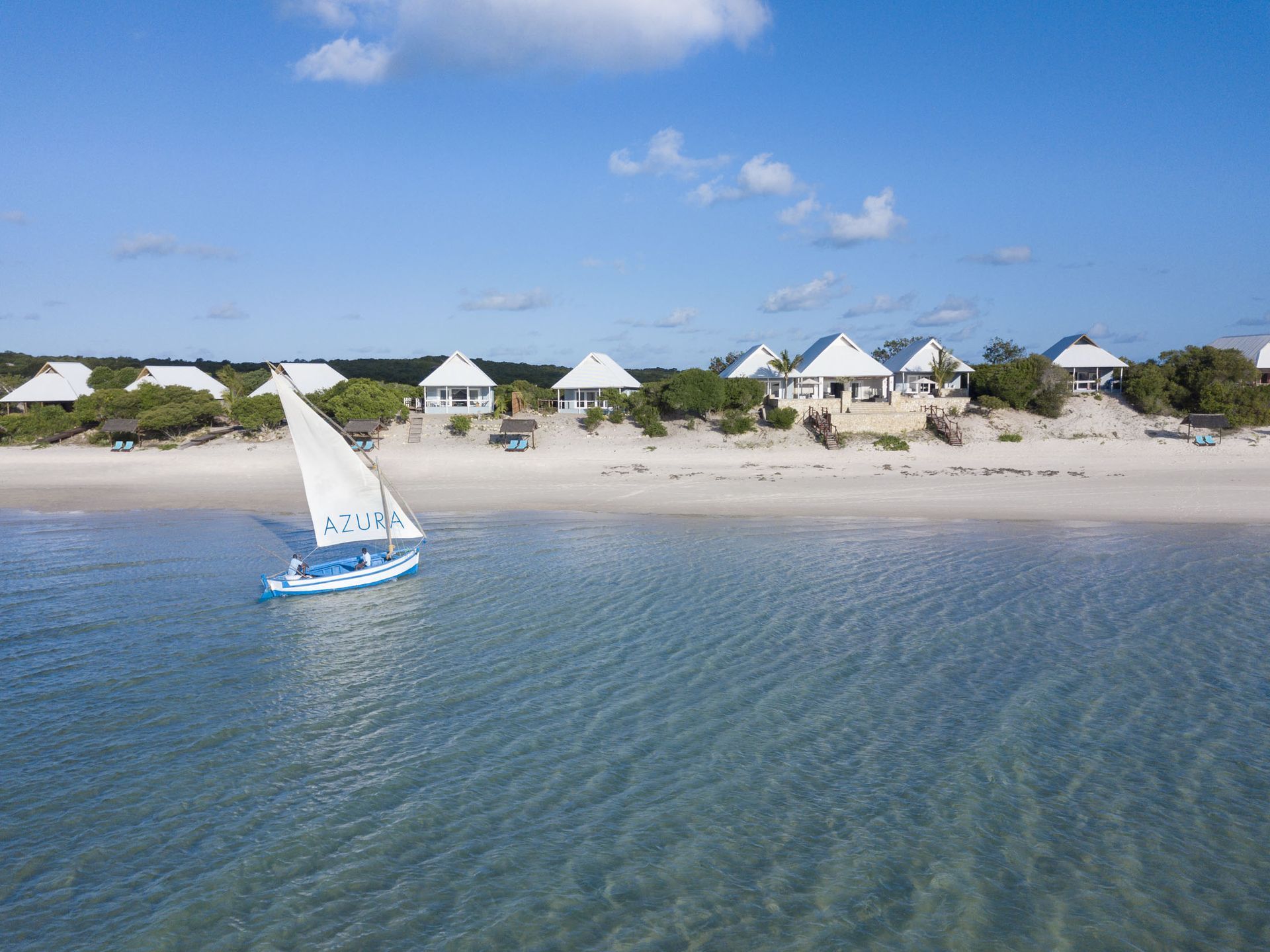
Azura Marlin Beach 5-Night SADC Special
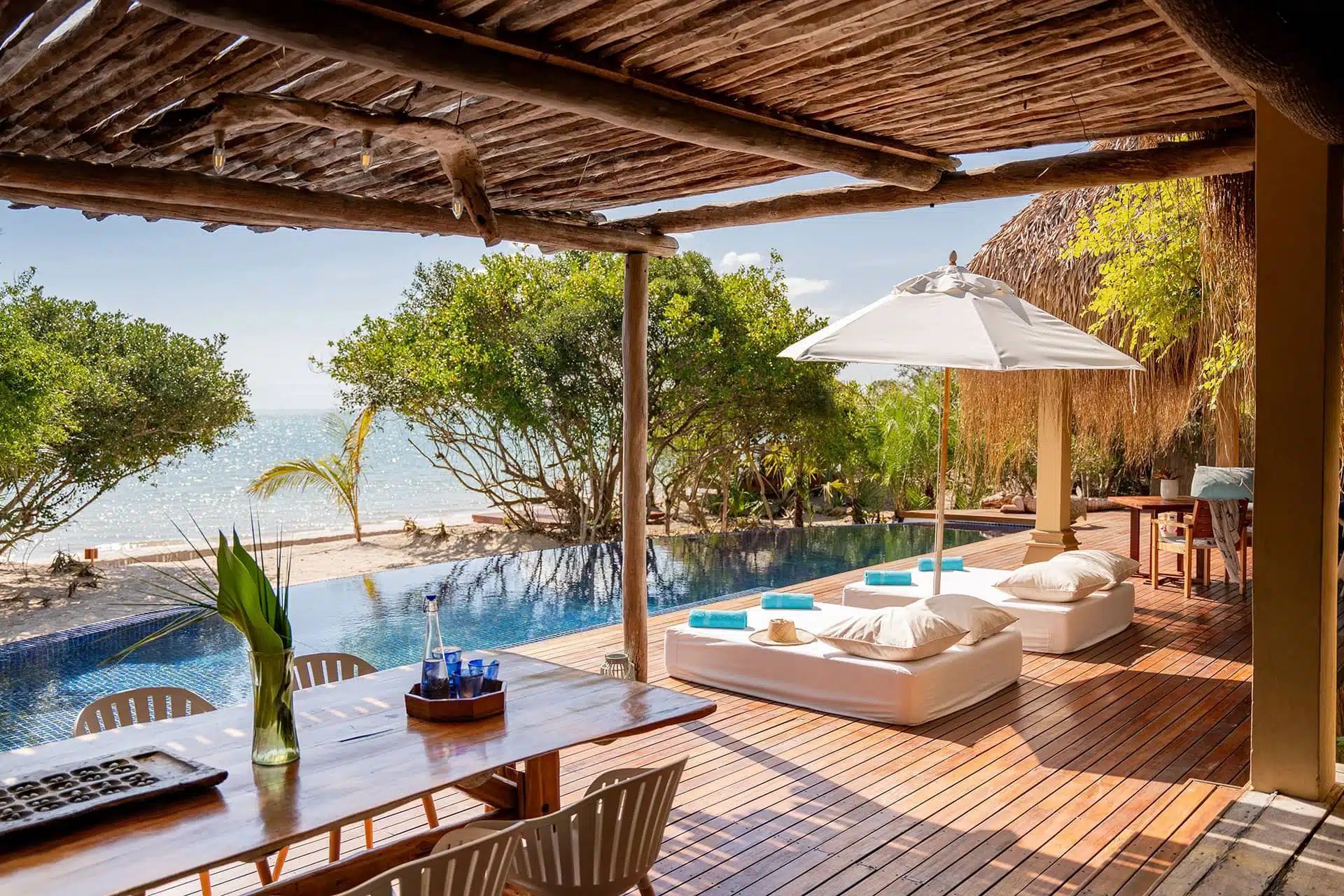
Okavango Delta Safari and Bazaruto Island Beach Holiday
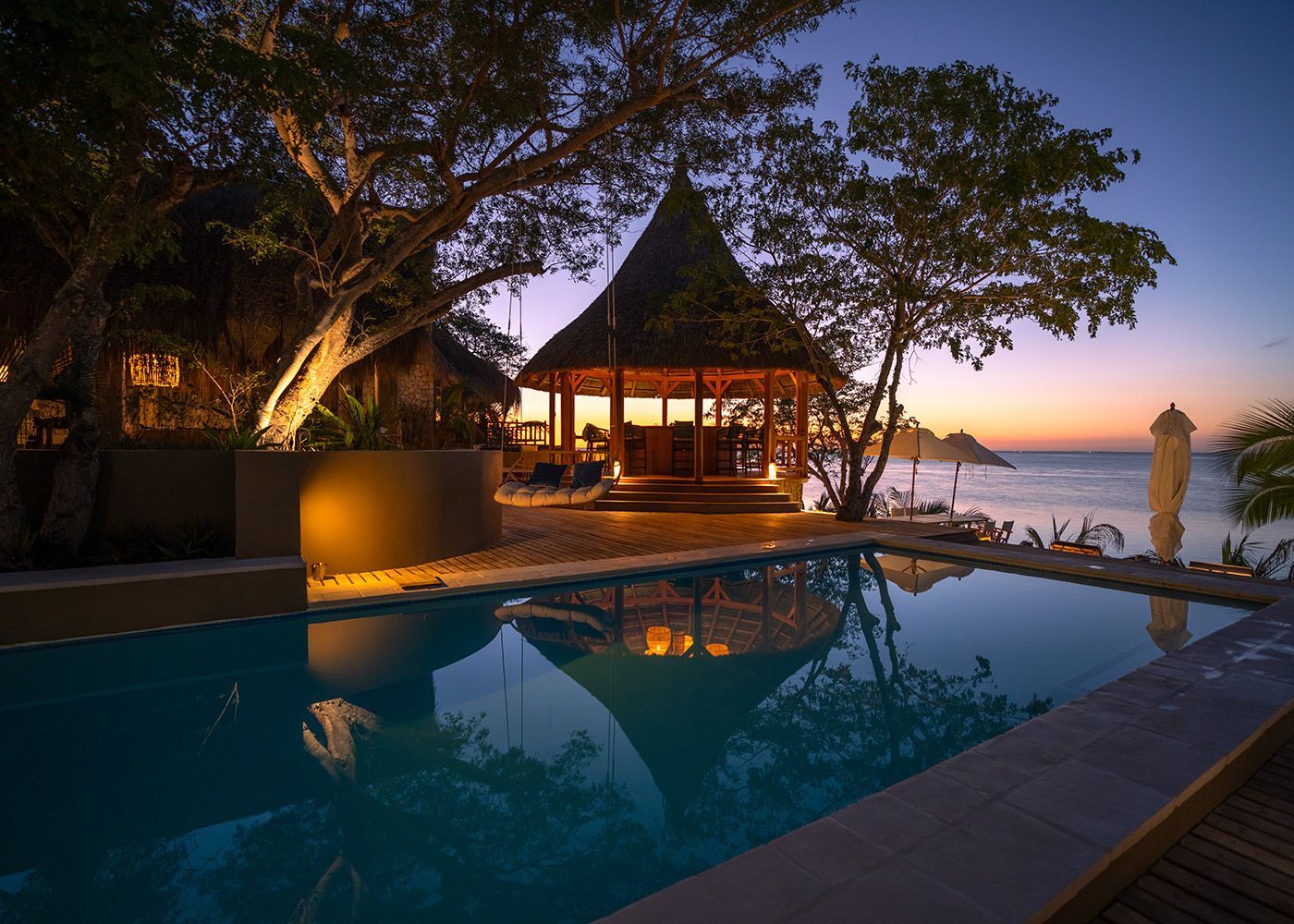
5-Night Mozawi Lodge Private Beach Holiday
Frequently asked questions
How does Gorongosa’s community-based conservation model benefit both people and wildlife?
Gorongosa’s model integrates local communities into every decision-making process, ensuring conservation and livelihoods advance together. Families receive training in sustainable farming, forest management, and enterprise development, which reduces pressure on natural resources. In return, wildlife benefits from reduced poaching, improved habitat protection, and healthier ecosystems. This balanced approach improves household income, protects biodiversity, and strengthens the long-term stability of the entire landscape.
How are women in buffer-zone communities involved in conservation and livelihood programs?
Women play a central role in projects such as sustainable agriculture, honey production, coffee farming, and small business development. Many participate in leadership groups that guide local resource management, while others serve as educators or community coordinators. These programs improve food security, provide stable income, and promote gender equity. Women’s participation has become one of the strongest drivers of social and ecological resilience in Gorongosa.
How has community education contributed to conservation success around Gorongosa?
Education programs introduce children and adults to principles of ecology, wildlife behavior, sustainable farming, and fire management. Conservation clubs visit wetlands, forests, and rangelands to learn through real-world experiences. Schools use local-language materials developed with the park’s science teams, while adults attend workshops on climate resilience and resource protection. These programs create the next generation of conservation stewards and reduce destructive practices over time.
What role do local leaders play in managing Gorongosa’s natural resources?
Local leaders collaborate with park teams to regulate resource use, set community rules for fire management, and guide sustainable harvesting of non-timber forest products. They participate in conservancy committees, influence policy decisions, and act as representatives between villages and the Gorongosa Restoration Project. Their involvement builds trust, strengthens cultural continuity, and ensures conservation decisions reflect community needs and knowledge.
How has the ranger program strengthened community trust in conservation?
Most rangers come from villages surrounding the park, making them trusted figures who understand local challenges. They patrol vast landscapes, remove snares, monitor endangered species, and respond to community reports. Rangers also participate in school programs, village meetings, and awareness campaigns, creating positive relationships between families and conservation authorities. Their work has contributed to major declines in poaching, illegal logging, and wildlife trafficking.
What new community and conservation developments emerged in Gorongosa during 2025?
In 2025, Gorongosa expanded its science education programs, introduced new agroforestry plots in buffer-zone villages, and strengthened water-security systems around Mount Gorongosa. Community cooperatives planted hundreds of thousands of indigenous trees, while new ranger recruits improved law-enforcement coverage across restoration zones. Local markets, food-security projects, and youth training programs grew significantly, helping families build climate-resilient livelihoods that directly support biodiversity.
SHARE THIS POST
Are You Ready FOr Mozambique?
Page through our packages and find the offer right for you!
Ready to Speak to a Mozambique Travel Expert?
Get In Touch and Ask for a Call-Back Today
Latest Posts