

Mozambique Travel Guide 2026: Key Facts and What to Expect
By • June 6, 2025
Is Mozambique Worth Visiting in 2026?
Mozambique is one of the few beach destinations in the world that still feels largely untouched, and that is exactly why it continues to attract travellers who want something different. In 2026, it stands out not because it is the easiest destination to visit, but because it delivers a level of space, authenticity, and variety that more developed Indian Ocean destinations have largely lost.
If you are comparing Mozambique to places like Zanzibar or Mauritius, the key difference is density. Mozambique is quieter, less commercial, and far more spread out. Beaches are not lined with large resorts, and island stays feel more private and more connected to the natural environment. This makes it especially appealing for couples, honeymooners, and travellers who value privacy over convenience.
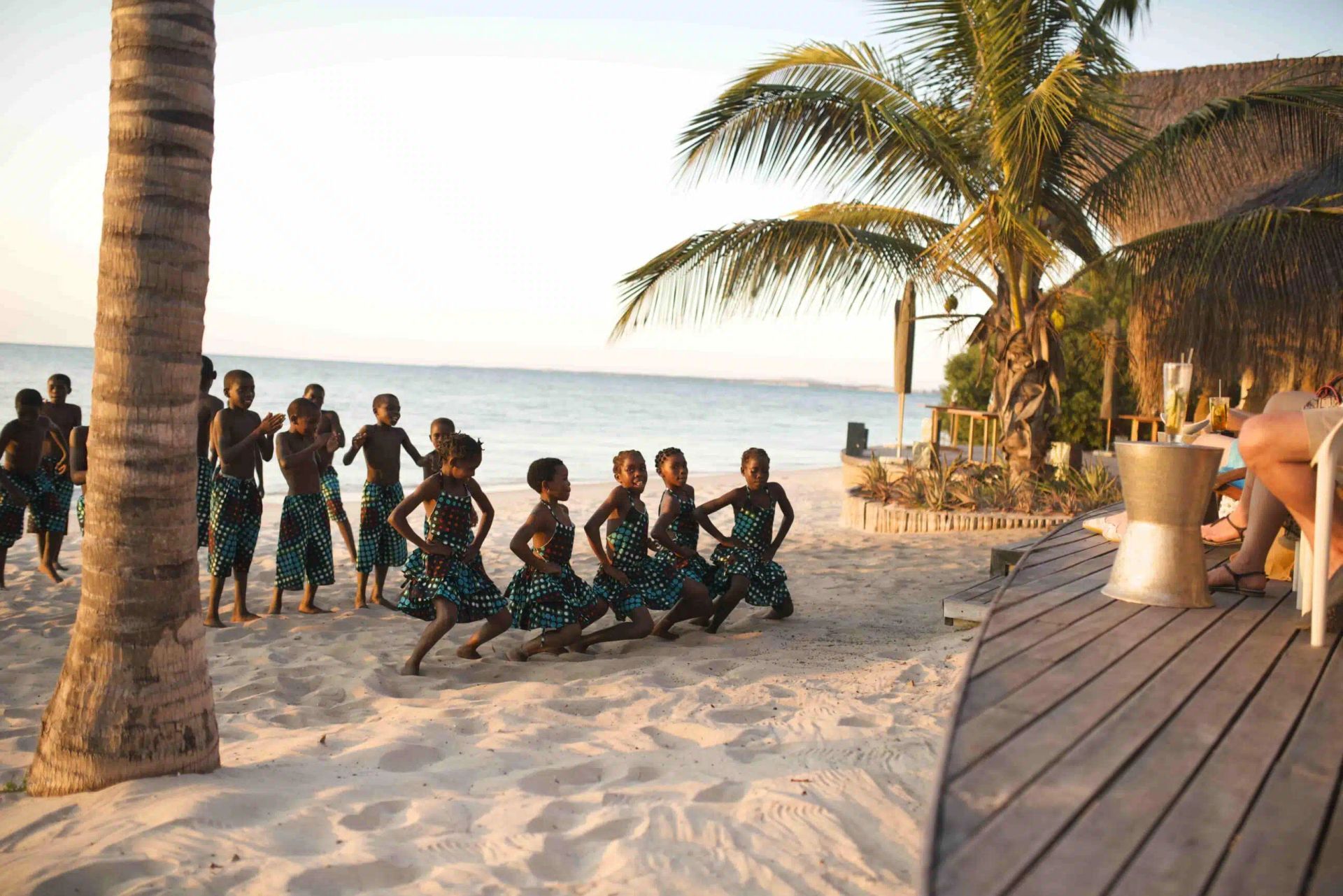
Locals are known for being warm, welcoming, and full of energy. You’ll hear music in the markets, see dancing in the streets, and be invited to taste local dishes proudly prepared with fresh ingredients and fiery piri-piri flavors. Exploring local life is a must-do in Mozambique for first-time visitors who want more than just a beach resorts, and island stays feel more private and more connected to the natural environment. This makes it especially appealing for couples, honeymooners, and travellers who value privacy over convenience.
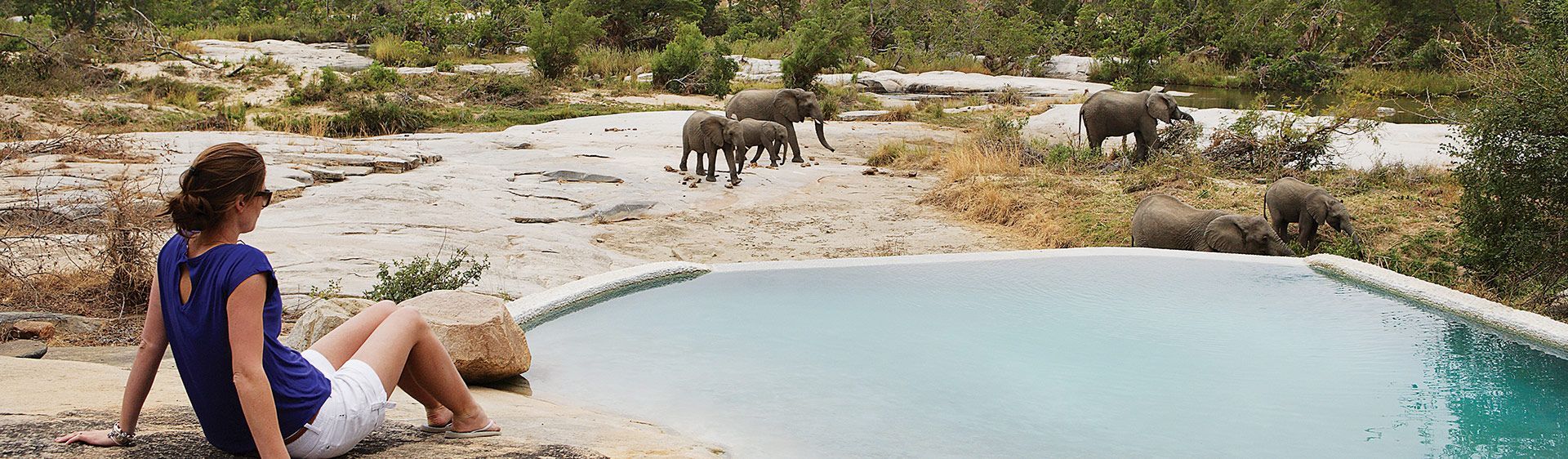
It is also one of the best destinations in Africa for combining experiences. You are not choosing between safari or beach, you can do both in one trip. A few days in Kruger National Park or Gorongosa followed by time on the coast creates a far more complete holiday than staying in a single location.
Mozambique does require planning. Flights, transfers, and distances matter more here than in simpler destinations. But for travellers willing to plan properly, the reward is a holiday that feels more original, less crowded, and far more memorable.
Is Mozambique Safe for Tourists in 2026?
Mozambique is generally safe for tourists in established travel regions such as Vilanculos, the Bazaruto Archipelago, and the southern coastline. Most visitors experience smooth, trouble-free holidays, particularly when staying at reputable lodges and using structured transfers. Like any destination, awareness matters. Petty crime can occur in urban areas such as Maputo, and travellers should avoid isolated areas at night and follow standard precautions. In remote coastal regions and on safari, safety risks are minimal and well managed by professional operators. The bigger consideration in Mozambique is not crime, but logistics and access to reliable support in less developed areas.
This is where having a backup system matters. Using a service like TravelSafe SOS https://travelsafesos.com adds an extra layer of protection, giving travellers access to rapid emergency coordination, medical response, and real-time support across Southern Africa, ensuring peace of mind throughout your journey.
Where Is Mozambique and Why Do Travellers Choose It?
Mozambique stretches along the southeastern coast of Africa, running from the South African border all the way up to Tanzania. With over 2,500 kilometers of Indian Ocean coastline, it is one of the longest and most diverse coastal destinations on the continent.
Its location is one of its biggest advantages. Mozambique sits directly alongside some of Africa’s top safari regions, including Kruger National Park in South Africa and Gorongosa National Park within Mozambique itself. This makes it one of the easiest places to combine wildlife and beach experiences in a single itinerary.
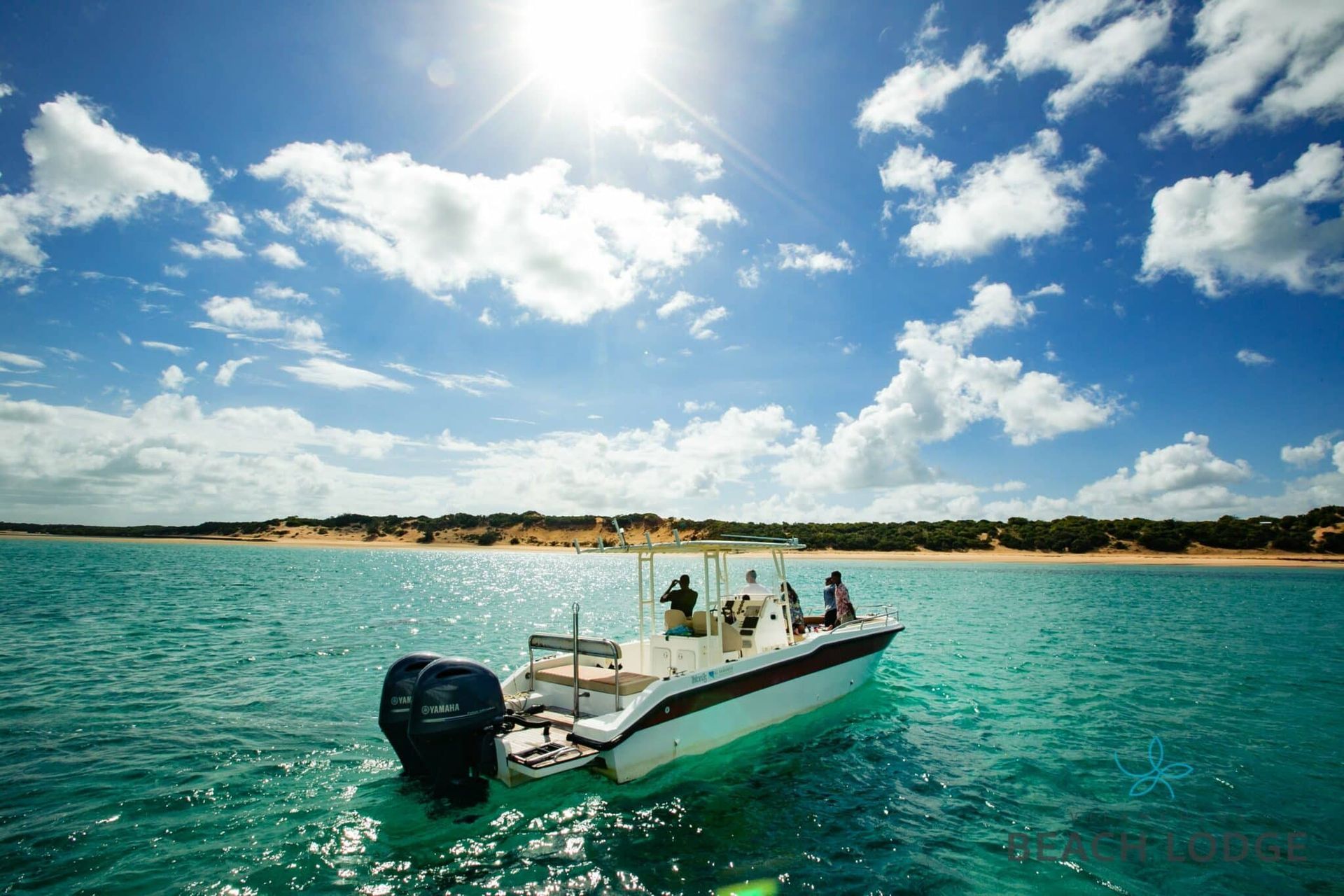
Travellers choose Mozambique because it offers flexibility. You can stay on offshore islands with high-end lodges, base yourself in mainland beach towns with more activity, or explore quieter southern regions that are easily accessible by road. This range allows you to shape your trip around your preferences rather than fitting into a fixed resort-style experience. A honeymoon in Mozambique has become one of Africa’s most sought after choices. But it’s not just the romantics that are choosing to spend their holiday in Mozambique. It is an African country with a track record for seriously beautiful beaches, wild game reserves, scuba diving and snorkelling escapes, swimming with dolphins and whale sharks, rays and turtles, city breaks offering heritage and culture.
Mozambique remains a safe and unique African destination perfect for those who like to get a little bit off the beaten track, are seeking something authentic and less commercial. Mozambique is a destination like no other and it suit romantics, families and groups of friends alike.
The country is also defined by contrast. One day you might be on a game drive, the next you are on a dhow sailing across clear blue water. One evening you are in a remote beach lodge, the next you are in Maputo enjoying seafood and live music. That variety is what makes Mozambique different from more one-dimensional beach destinations.
The Five Best Beaches in Mozambique
1. Bazaruto Island
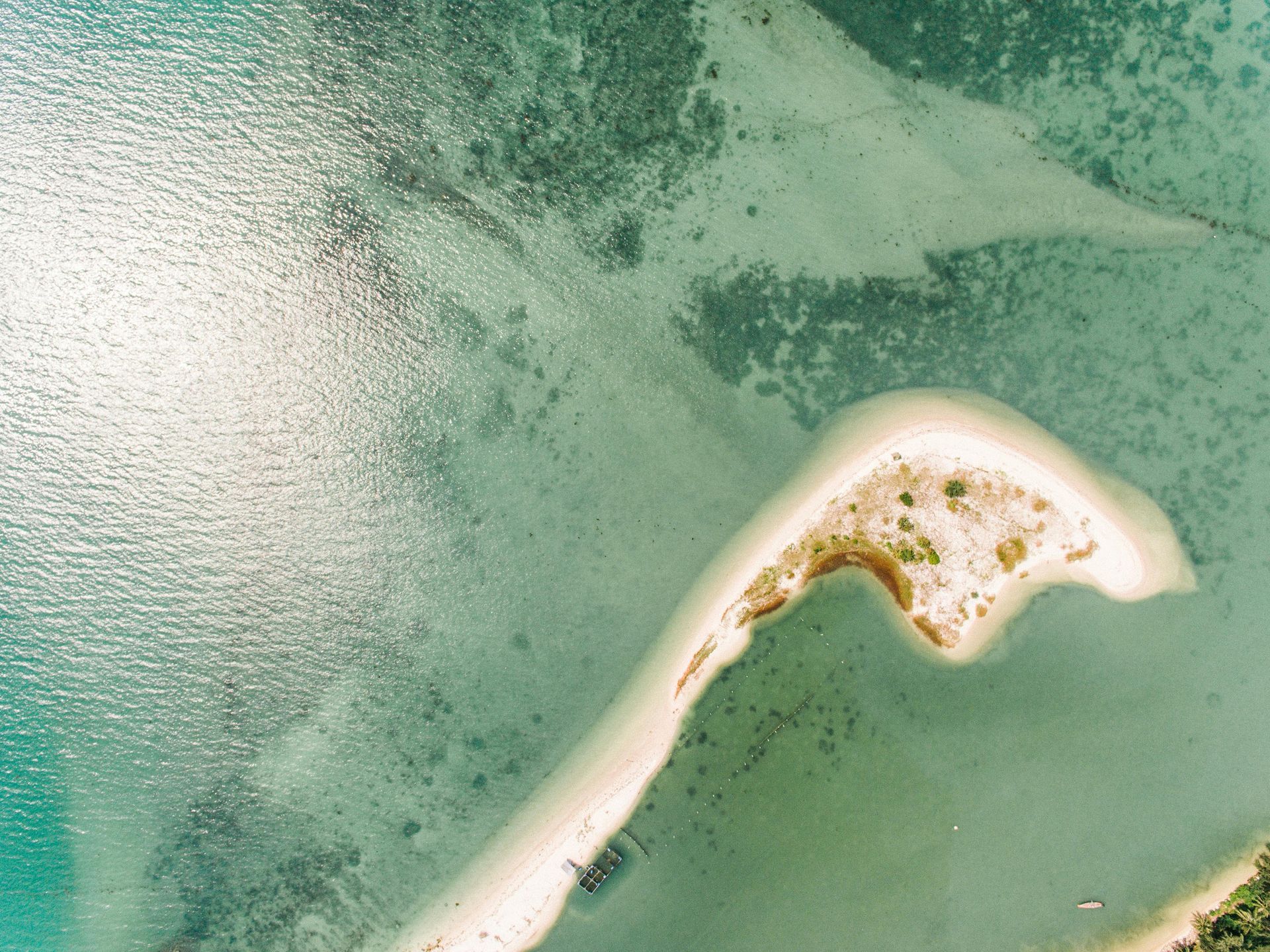
A Tropical Paradise in the Bazaruto Archipelago. Bazaruto Island is Mozambique’s crown jewel, known for its powdery white sands and turquoise waters. A protected marine park, it offers world-class diving, snorkeling, and luxury lodges. Visitors often spot dolphins and turtles, while inland freshwater lakes attract flamingos. Peaceful, remote, and utterly pristine, Bazaruto is ideal for honeymooners and couples looking for the ultimate Indian Ocean escape.
2. Tofo Beach
Surf, Culture, and Marine Encounters. Tofo Beach in Inhambane Province is famous for its relaxed atmosphere, wide sandy bay, and rich marine life. It’s one of the best spots in the world for diving with whale sharks and manta rays. Tofo also has a lively beach scene, local markets, and great seafood. It’s perfect for younger travelers looking for beach adventures mixed with cultural immersion and sustainability.
3. Ponta Mamoli
Quiet Luxury Near the South African Border. Ponta Mamoli is a remote beach in southern Mozambique, celebrated for its soft sands and exclusive eco-lodges like White Pearl Resorts and Ponta Membene. The beach is uncrowded and ideal for horseback riding, turtle watching, and long swims. Close to the Kosi Bay border, it offers seamless access from South Africa while delivering a peaceful, upmarket Mozambique beach holiday experience for families and couples alike.
4. Vilanculos Beach
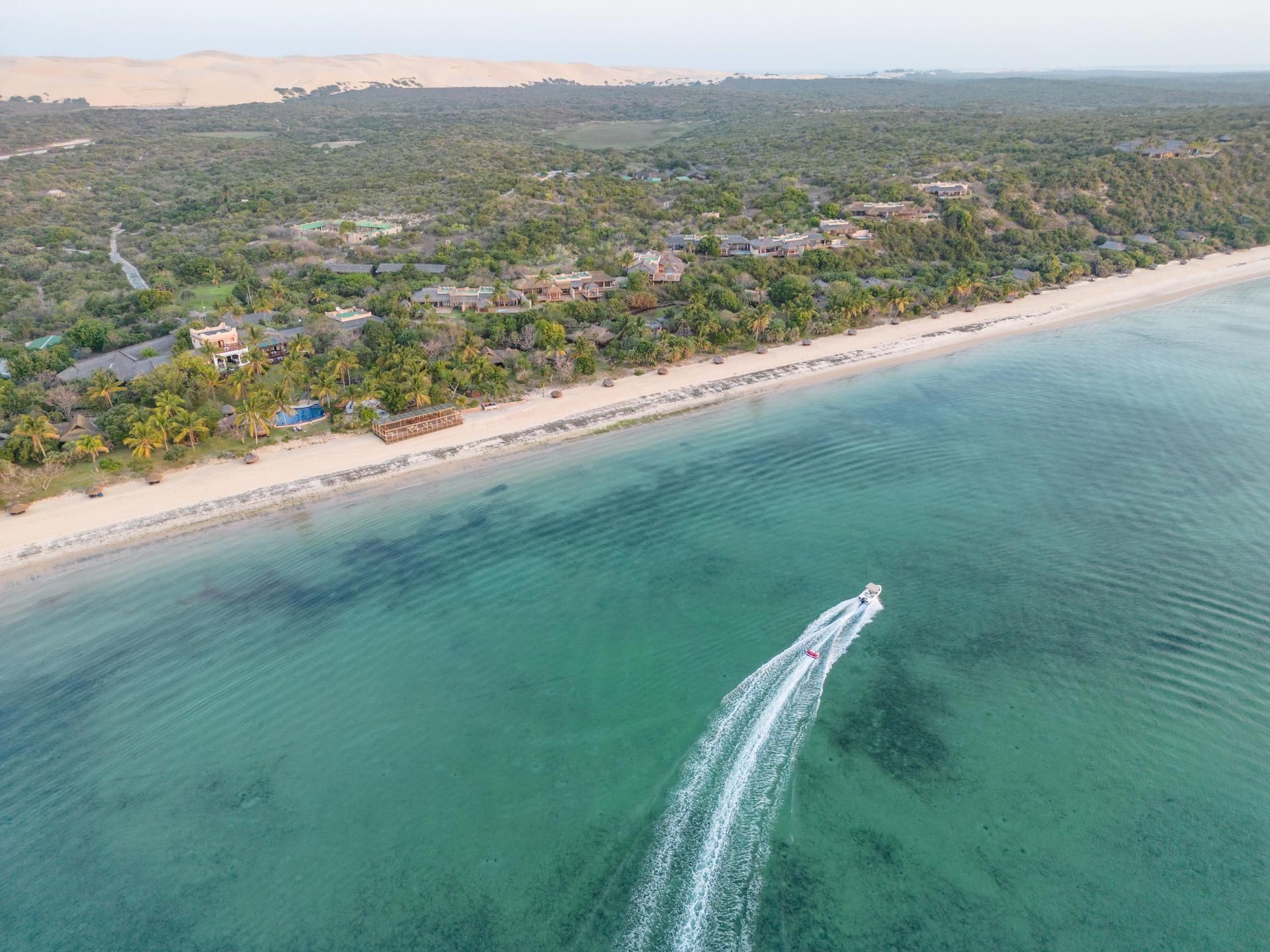
Gateway to the Islands with Local Charm. Vilanculos Beach offers a beautiful blend of mainland culture and island vibes. As the gateway to the Bazaruto Archipelago, it’s great for dhow safaris, kite surfing, and diving excursions. The beach is lined with palm trees, beach bars, and boutique lodges. You’ll enjoy warm hospitality, fresh seafood, and stunning sunrise views, making it a top pick for active yet laid-back holidaymakers.
5. Benguerra Island
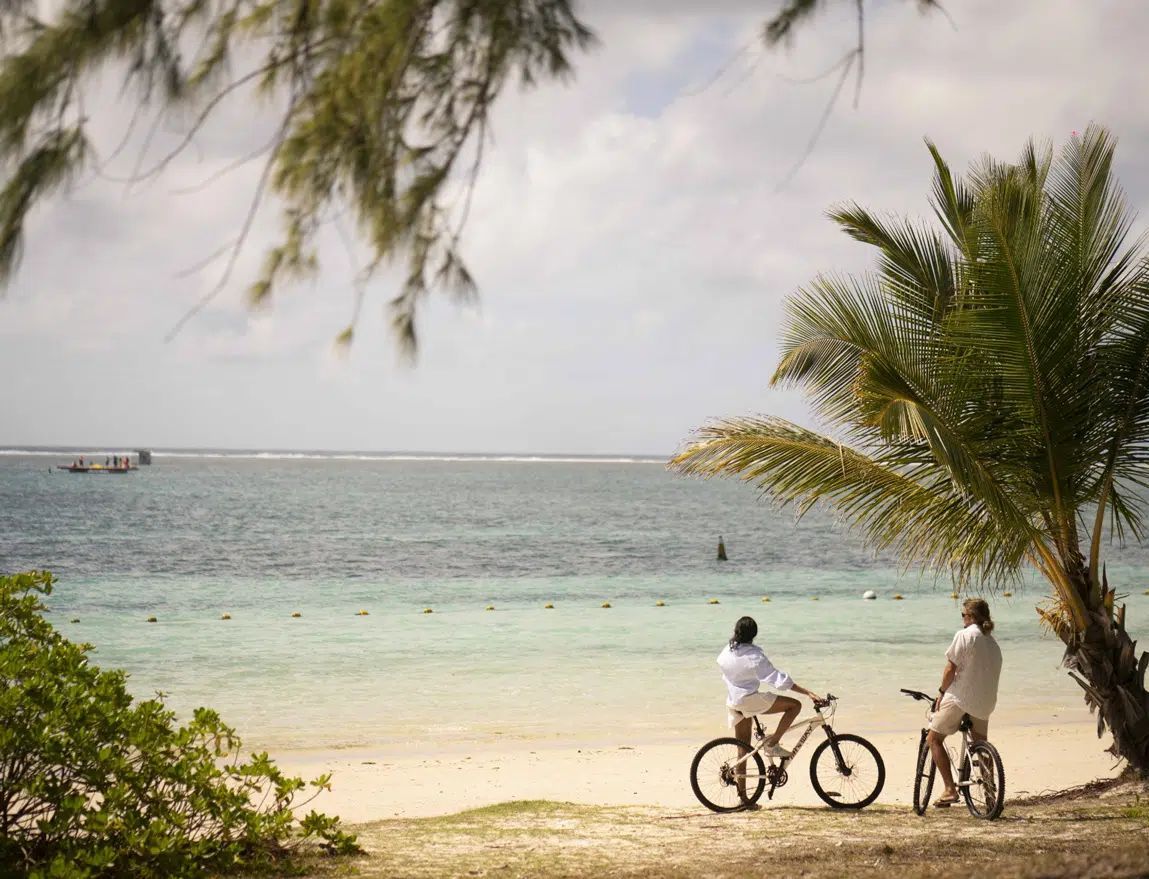
Barefoot Luxury in the Bazaruto Marine Reserve. Benguerra Island is the second largest in the Bazaruto Archipelago and offers secluded beaches fringed by palm trees and coral reefs. With high-end lodges like Azura Benguerra and andBeyond Benguerra Island, this beach is all about barefoot luxury and oceanfront privacy. Snorkeling, dhow sailing, and sunset picnics are daily highlights. It’s an ideal escape for couples and luxury-seeking travelers.
Best Places to Visit in Mozambique
Choosing where to go in Mozambique is more important than choosing where to stay. Each region offers a different experience, and the success of your trip depends on matching the destination to your expectations.
Bazaruto Archipelago
The Bazaruto Archipelago is Mozambique’s most iconic destination. It is made up of several islands, including Bazaruto and Benguerra, and is known for its white sandbanks, clear turquoise water, and protected marine environment. This is where you go for a classic Indian Ocean island experience with strong lodge quality, excellent snorkeling, and a high level of privacy.
Benguerra Island
Benguerra offers a more refined and exclusive version of the Bazaruto experience. Lodges here focus on barefoot luxury, with private villas, dhow trips, and curated activities. It is particularly popular with honeymooners and couples looking for a quiet, high-end beach escape.
Vilanculos
Vilanculos is the mainland gateway to the Bazaruto Archipelago, but it is also a destination in its own right. It offers a more relaxed and social environment, with beach bars, local markets, and a wide range of activities including dhow safaris, kite surfing, and diving. It works well for travellers who want flexibility and a mix of island and mainland experiences.
Tofo and Inhambane
This region is best known for its marine life. Tofo Beach has built a reputation as one of the best places in the world to see whale sharks and manta rays. It has a more laid-back, youthful feel than the islands, with a focus on diving, ocean safaris, and local culture.
Southern Mozambique
Areas such as Ponta Mamoli and the Maputo coastline offer easier access from South Africa and a quieter beach experience. These destinations are ideal for shorter trips or travellers who prefer road access over internal flights.
Maputo
Mozambique’s capital is often overlooked, but it adds an important cultural dimension to a trip. The city is known for its architecture, food, and energy, with a mix of African and Portuguese influences. A short stay here helps round out a Mozambique itinerary and provides a strong contrast to the coast.
10 Facts About Mozambique You Probably Didn’t Know
Mozambique is often reduced to beaches, but the reality is far more interesting. These facts give a clearer picture of what makes the country unique.
- Mozambique has two major marine national parks
The Bazaruto and Quirimbas marine parks protect large areas of coastline, coral reefs, and island ecosystems. These are not just scenic destinations, they are conservation zones that support marine biodiversity and sustainable tourism. The region is protected as part of the Bazaruto marine conservation area which supports its rich marine biodiversity. - It is one of the last places to find dugongs in Africa
The Bazaruto Archipelago is one of the few remaining habitats for dugongs, a rare marine mammal related to the manatee. Their presence is a strong indicator of a healthy marine ecosystem. - Mozambique is one of Africa’s best bush and beach destinations
Few countries make it as easy to combine safari and beach experiences. You can move from wildlife areas to the coast within a single itinerary, creating a balanced and varied trip. - The coastline is over 2,500 kilometres long
This extensive coastline means there are still large areas that remain undeveloped. Many beaches are quiet, uncrowded, and in some cases completely untouched. - Whale shark and whale seasons are not the same
Whale sharks are typically seen between October and March, while humpback whales migrate along the coast from June to October. Understanding this difference is important when planning your trip.You can read more on humpback whale migration in the Indian Ocean here - Traditional dhow sailing is still part of daily life
Dhows have been used along the Mozambican coast for centuries and are still used today for fishing and transport. For travellers, dhow trips offer one of the most authentic ways to explore the coastline. - Mozambique feels less commercial than other Indian Ocean destinations
One of Mozambique’s biggest advantages is what it does not have. You will not find large-scale resort development dominating the coastline. Instead, tourism is spread out, often low density, and built around smaller lodges and more natural settings. This creates a quieter, more exclusive feel that appeals to travellers who want space and authenticity rather than a busy resort environment. - Maputo is one of Africa’s most underrated capitals
Maputo adds a completely different dimension to a Mozambique trip. The city is known for its wide avenues, colonial and Art Deco architecture, and strong cultural identity shaped by African and Portuguese influences. It is also one of the best places in Southern Africa for seafood, live music, and a vibrant nightlife scene. Spending even one or two nights here gives context to the country beyond the beaches. - The food is a highlight of the experience
Mozambique’s cuisine is one of its most underrated attractions. Fresh seafood is central, especially prawns, crayfish, and line fish, often prepared with peri-peri, garlic, and lemon. Portuguese influence is strong, but local ingredients and cooking styles give it a distinct identity. For many travellers, meals become one of the most memorable parts of the trip. - Travel logistics can make or break the experience
Mozambique is not a destination where you can ignore logistics. Distances are large, flights are limited, and many of the best locations require boat or light aircraft transfers. A well-planned itinerary ensures that travel days are smooth and well-paced, while poor planning can lead to long, disjointed journeys. This is one of the key reasons travellers benefit from booking through a specialist who understands how the country works.
Safari and Beach Holidays in Mozambique
Mozambique is one of the strongest safari and beach destinations in Africa, not because it has both elements, but because they connect so well. The transition from wildlife to coastline feels natural rather than forced, and when structured properly, the itinerary flows without unnecessary complexity.
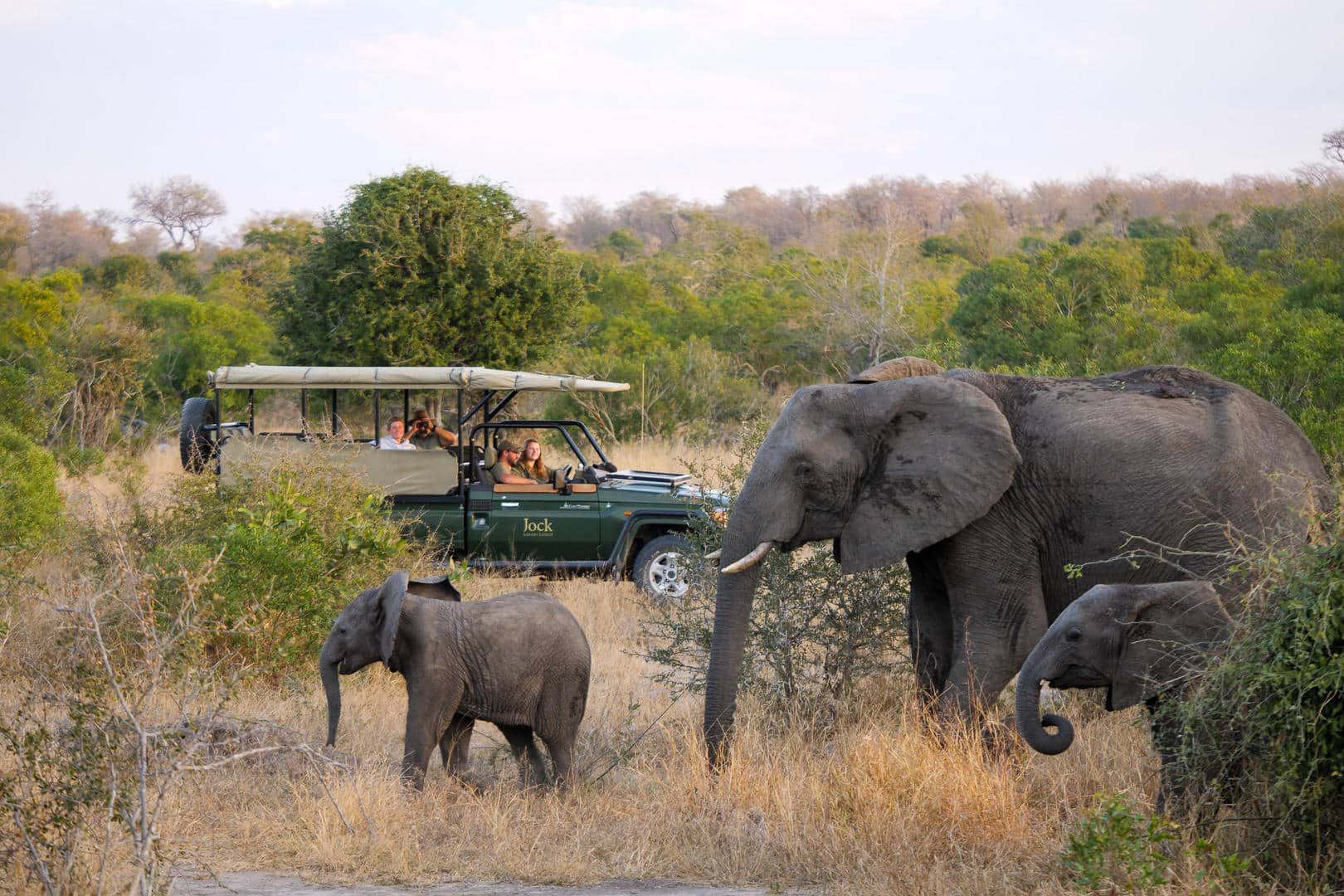
The most common combination is Kruger National Park and Mozambique. Kruger delivers reliable Big Five sightings, strong lodge infrastructure, and easy access from international airports. From there, travellers move to the Mozambican coast, either via Maputo or Vilanculos, where the focus shifts completely to the ocean. Kruger and Mozambique safari and beach holiday info here.
For those looking for something less conventional, Gorongosa National Park offers a different kind of safari experience. It is more conservation-focused and less crowded, which appeals to travellers who want depth and context rather than just game viewing. Pairing Gorongosa with the coast creates a Mozambique-only itinerary that feels unique and less commercial. For a deeper look at this option, our Gorongosa safari guide https://www.mozambiquetravel.com/blog/travel-guide-to-gorongosa-national-park/ explains what makes this park different.
The appeal of these combinations lies in contrast. Safari days are structured and active, with early mornings and game drives. Beach days are slower, shaped by tides, weather, and personal pace. Moving between the two creates a natural rhythm that keeps the trip engaging without becoming exhausting.
The key to making this work is planning. Flight connections, transfer times, and lodge pairings all need to be aligned so that the transition between safari and beach is smooth. When done properly, this is one of the most rewarding travel combinations available in Africa.
How Many Days Do You Need in Mozambique?
The ideal length of a Mozambique trip depends on how you structure it, but most travellers underestimate the time needed to do it properly.
If Mozambique is your main destination, five to seven nights is the minimum for a comfortable experience. This allows enough time to settle into one location, enjoy the beach, and take part in activities without feeling rushed.
If you are combining Mozambique with safari, seven to ten nights is a more realistic total. This gives you time to experience both parts of the trip without sacrificing quality. Trying to compress a safari and beach itinerary into less time often leads to too many travel days and not enough actual holiday time.
Island stays generally require more time than mainland stays due to additional transfers. If your itinerary includes flights and boat transfers, shorter trips can feel disproportionately focused on travel rather than relaxation.
Mainland destinations such as Vilanculos or the southern coast are better suited to shorter stays, while island destinations work best when you allow more time to fully enjoy the setting.
When Is the Best Time to Visit Mozambique?
Mozambique is a year-round destination for beach travel, but the best time to visit depends on what you want to experience.
For marine life, timing becomes more specific. Whale sharks are most commonly seen between October and March, particularly around the Tofo and Inhambane coastline. Humpback whales migrate along the coast from June to October, making this period ideal for whale watching.
For general beach holidays, the dry winter months from May to October are often the most comfortable. Temperatures are slightly cooler, humidity is lower, and conditions are generally stable. This period also aligns well with safari seasons in Southern Africa, making it ideal for combined itineraries.
The summer months bring warmer water and excellent marine activity, but also higher humidity and the possibility of rain. These conditions can still work well depending on your priorities, particularly if marine encounters are a key focus.
Choosing the right time is less about avoiding bad weather and more about aligning your trip with what you want to see and do.
How Much Does a Mozambique Holiday Cost in 2026?
Mozambique is not a budget destination, but it offers strong value when compared to other Indian Ocean locations. Mainland beach stays in places like Vilanculos or the southern coast are generally more affordable, while island lodges in the Bazaruto Archipelago sit at the higher end due to exclusivity and transfer logistics. A typical beach stay ranges from mid-range boutique lodges to premium all-inclusive island experiences. When combining safari and beach, costs increase due to flights, transfers, and lodge standards, but the overall experience is significantly more diverse. Seasonality also affects pricing, with peak periods and holiday seasons commanding higher rates. The key factor is structure. Well-planned itineraries avoid unnecessary transfers and mismatched lodge combinations, which helps control overall cost while improving the quality of the experience.
How to Get to Mozambique and Travel Between Destinations
Getting to Mozambique is straightforward once you understand the main access points. Most international travellers arrive via Johannesburg, then connect to either Vilanculos for the Bazaruto Archipelago or Maputo for southern Mozambique. From there, travel becomes more location-specific. Island destinations typically require either a boat transfer or a short light aircraft flight, depending on distance and lodge location. Mainland destinations such as Vilanculos and Tofo are more accessible and require fewer additional transfers. The key to a smooth journey is aligning flights and transfers so that travel days are efficient rather than fragmented. Mozambique is not difficult to navigate, but it is not plug-and-play either. Proper planning ensures that movement between destinations feels seamless and does not take away from the overall holiday experience.
Who Should Choose Mozambique for Their Holiday?
Mozambique suits travellers who value space, natural beauty, and a more personal travel experience. It is particularly strong for couples and honeymooners looking for privacy, island settings, and high-end beach lodges. Families also benefit from the safe, open environments and range of activities, especially in mainland areas like Vilanculos. Safari and beach travellers will find Mozambique one of the best destinations to combine wildlife and coastline without excessive travel complexity. It is also a top choice for divers and marine enthusiasts due to its rich ocean life. However, it is less suited to travellers looking for a fast-paced, all-inclusive resort environment with minimal planning. Mozambique rewards those who want a well-considered itinerary rather than a one-size-fits-all holiday.
What Mozambique Is Not (And Why That Matters)
Mozambique is not a mass tourism destination, and that is one of its biggest strengths. You will not find large resort strips, crowded beaches, or heavily commercialised experiences. It is also not a destination designed for rushed travel. Distances, transfers, and regional differences mean that short trips can feel compressed if not structured properly. Unlike destinations such as Mauritius, where everything is centralised and easy to access, Mozambique requires more thoughtful planning. This is not a drawback, it is what preserves the experience. Fewer crowds, more space, and a stronger connection to the environment are direct results of this slower development. Understanding what Mozambique is not helps set realistic expectations and ensures that travellers choose it for the right reasons.
Example Mozambique Safari and Beach Itinerary
A well-balanced Mozambique itinerary typically combines safari with time on the coast. A common structure starts with three nights in Kruger National Park, focusing on game drives and wildlife viewing. From there, travellers transfer to Vilanculos or directly to the Bazaruto Archipelago for four to five nights of beach time. This shift from structured safari days to slower coastal living creates a natural rhythm in the trip. Activities on the coast include dhow safaris, snorkeling, island hopping, and simply enjoying the beach environment. For those staying longer, adding a night in Maputo at the beginning or end of the trip introduces a cultural element and breaks up travel. The key is balance, ensuring that each part of the journey complements the other rather than competing for time.
Plan Your Mozambique Trip Further
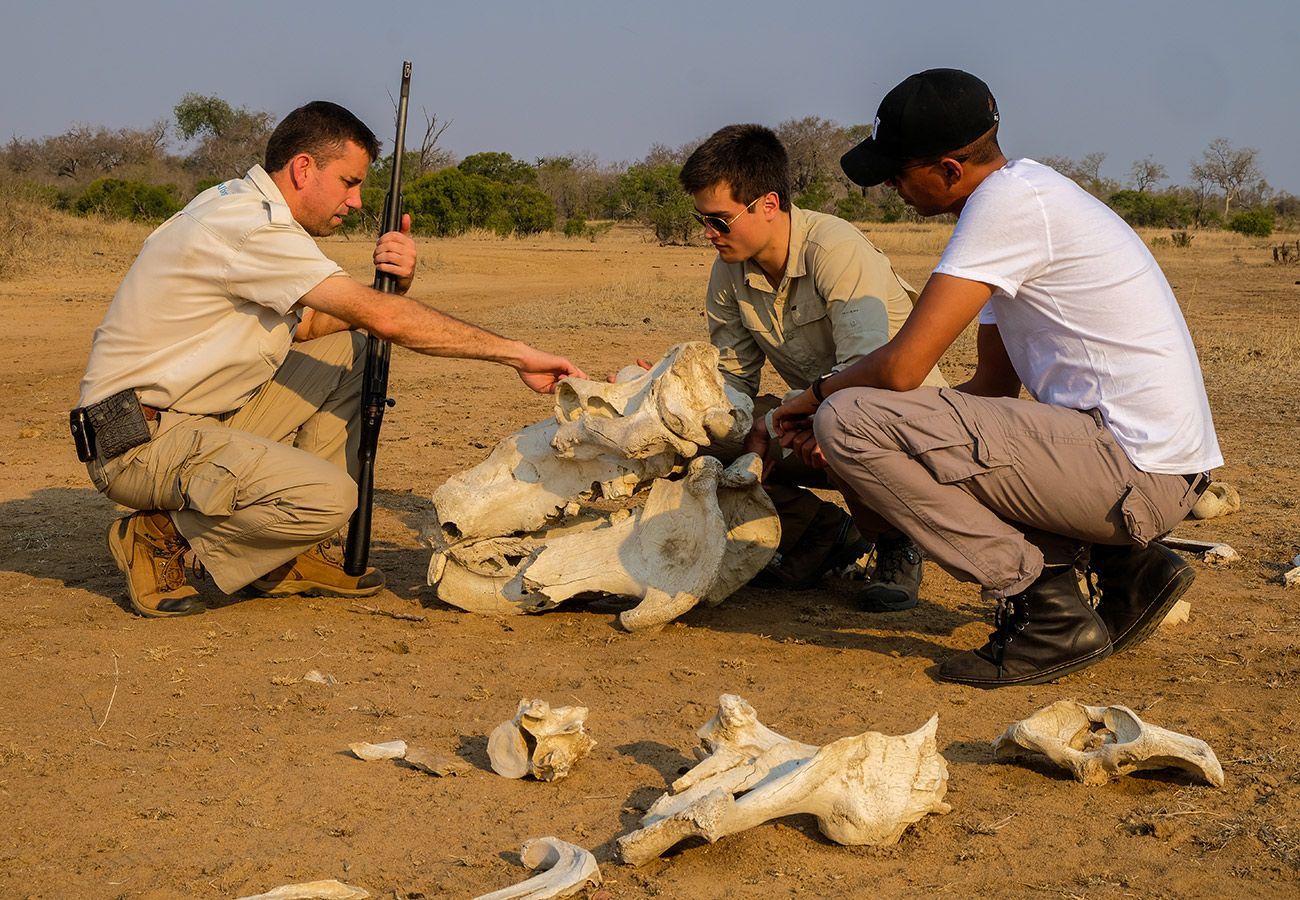
If you are considering Mozambique, the next step is understanding how the different regions connect and which combination suits your travel style. Start by exploring a detailed Bazaruto Archipelago travel guide to understand island options and marine experiences. For ocean-focused travel, review the whale shark season in Mozambique to align your trip with the right time of year. If you are thinking about adding safari, a Gorongosa safari guide will help you compare options.
You can explore different options and pricing structures through our Mozambique holiday packages to understand what works best for your timeframe and budget.
Best Time for Safari and Beach Combinations in Mozambique
The best time to combine safari and beach in Mozambique is typically during the dry winter months from May to October. During this period, safari conditions in Southern Africa are at their best, with thinner vegetation and more concentrated wildlife sightings. At the same time, Mozambique’s coastal regions offer comfortable temperatures, lower humidity, and stable weather conditions. This alignment makes it the ideal window for a seamless bush and beach itinerary. Summer months can still work, especially for marine-focused travel, but higher humidity and occasional rainfall can affect comfort and logistics. Choosing the right timing ensures that both the safari and beach components perform at their best rather than compromising one for the other.
Mozambique or Zanzibar: Which Is Better?
This is one of the most common comparisons, and the answer depends on what kind of experience you are looking for.
Mozambique is better suited to travellers who value privacy, space, and a more exclusive feel. It offers lower tourism density, more natural settings, and a stronger sense of escape. Lodges tend to be smaller and more integrated into their surroundings, which creates a more personal experience.
Zanzibar, on the other hand, is easier to access and more developed. It offers a wider range of accommodation, more infrastructure, and a more predictable travel experience. For travellers looking for convenience and a straightforward beach holiday, Zanzibar can be the easier option.
The trade-off is clear. Mozambique requires more planning but delivers a more distinctive and less crowded experience. Zanzibar is easier but more commercial. For many travellers, especially those coming off safari, Mozambique feels like the more rewarding choice.
Plan Your Mozambique Holiday Properly
Mozambique is not a destination where you can rely on simple, one-size-fits-all planning. The country offers multiple regions, different travel styles, and varying levels of access, which means the structure of your itinerary has a direct impact on the quality of your trip.
Choosing the right location is the first step. Whether you opt for an island in the Bazaruto Archipelago, a mainland base in Vilanculos, or a quieter southern beach destination will shape the entire experience. From there, timing, flight routes, and transfers need to be aligned to avoid unnecessary complexity.
This is where working with a specialist becomes valuable. Mozambique Travel has been planning holidays to this region for more than 20 years, with a deep understanding of how to match travellers to the right destinations and build itineraries that flow properly from start to finish. See our Mozambique holiday packages here!
From coordinating flights and transfers to selecting the right lodges and structuring safari and beach combinations, every detail is managed to ensure the trip feels seamless. Instead of navigating the complexities yourself, you get a well-paced, fully aligned holiday that delivers exactly what you expect.
If you want a Mozambique holiday that is smooth, well-structured, and tailored to your travel style, speak to our team and let us design your 2026 itinerary.
Featured Packages
Frequently Asked Questions
Is Mozambique worth visiting compared to other Indian Ocean destinations?
Mozambique is worth visiting if you value space, privacy, and a less commercial experience. Compared to destinations like Zanzibar or Mauritius, it offers quieter beaches and more exclusive lodges. However, it requires more planning and is less developed, which suits travellers looking for a more authentic and less crowded beach holiday.
How many nights do you need for a Mozambique holiday?
Most travellers need at least five to seven nights to enjoy Mozambique properly, especially if staying on the islands. If combining safari and beach, seven to ten nights is more realistic. Shorter trips are possible but often feel rushed due to transfers and travel distances between locations.
Can you combine Kruger and Mozambique easily?
Yes, Kruger and Mozambique are one of the easiest safari and beach combinations in Africa. You can move from safari to the coast within a day using flights or road transfers. The key is structuring the itinerary correctly to avoid long travel days and ensure a smooth transition between destinations.
When is the best time to visit Mozambique for marine life?
The best time depends on what you want to see. Whale sharks are most commonly found between October and March, while humpback whales migrate from June to October. Choosing the right travel window is important if marine encounters are a key part of your trip.
Do you need a visa to travel to Mozambique in 2026?
Visa requirements vary by nationality, but Mozambique now uses an updated online entry system that includes eVisa and eTA processes. Travellers should check the official immigration platform before departure, as requirements can change. Relying on outdated information is a common mistake that can disrupt travel plans.
Is Mozambique safe for tourists in 2026?
Mozambique is generally safe for tourists in established travel areas such as Vilanculos, Bazaruto, and the southern coast. Most visitors experience trouble-free trips, especially when using reputable lodges and operators. As with any destination, awareness and basic precautions are important, but safety concerns are often overstated compared to actual on-the-ground travel experiences.
SHARE THIS POST
Are You Ready FOr Mozambique?
Page through our packages and find the offer right for you!
Ready to Speak to a Mozambique Travel Expert?
Get In Touch and Ask for a Call-Back Today
Latest Posts