

Marine conservation in Bazaruto National Park and Ponta do Ouro Reserve
By Mozambique Travel • January 31, 2024
African Parks and Peace Parks Role in Mozambique
African Parks and Peace Parks play major roles in marine conservation in Mozambique, leading the way in marine conservation in Ponta do Ouro Marine Reserve and Bazaruto National Park. These two large conservation organizations are working with governmental conservation agencies to improve wildlife protection and community involvement in natural resource management. Already, some of the best marine conservation success stories in Mozambique are proof that passionate teams of people and good legislation can drive change.
The Bazaruto Archipelago Marine National Park and Ponta do Ouro Marine Reserve are big news in Mozambique as the Peace Parks and African Parks join hands with authorities to preserve linked marine, land and island ecosystems to save natural resources and the people who depend on them.
Peace Parks in Southern Mozambique
In 2018 Peace Parks signed a pivotal partnership agreement with Mozambique’s National Administration of Conservation Areas (ANAC) to enhance Maputo Special and Ponta do Ouro Partial Marine Reserve. Peace Parks provides technical expertise and financial backing for conservation and tourism development ventures as part of a strategic business plan.
Proclaimed in December 2021, the new Maputo National Park strives to reunite fragmented elephant populations and restore their age-old movement corridors, including those along the Futi system and Rio Maputo floodplains. By doing so, elephants find access to the fertile Maputo River floodplain and can migrate as they used to, between this region and the infertile sand forests.
The Futi Corridor is now an extension of Maputo Special Reserve, adding on a wonderful 24,000 hectares while in 2014, Maputo Special Reserve and Tembe Elephant Park formed a joint operations strategy to work together to conserve, protect, and develop the larger park. They aim to relocate more animals to the larger park, improve anti-poaching strategies and work harder with communities towards authentic nature-based tourism values.
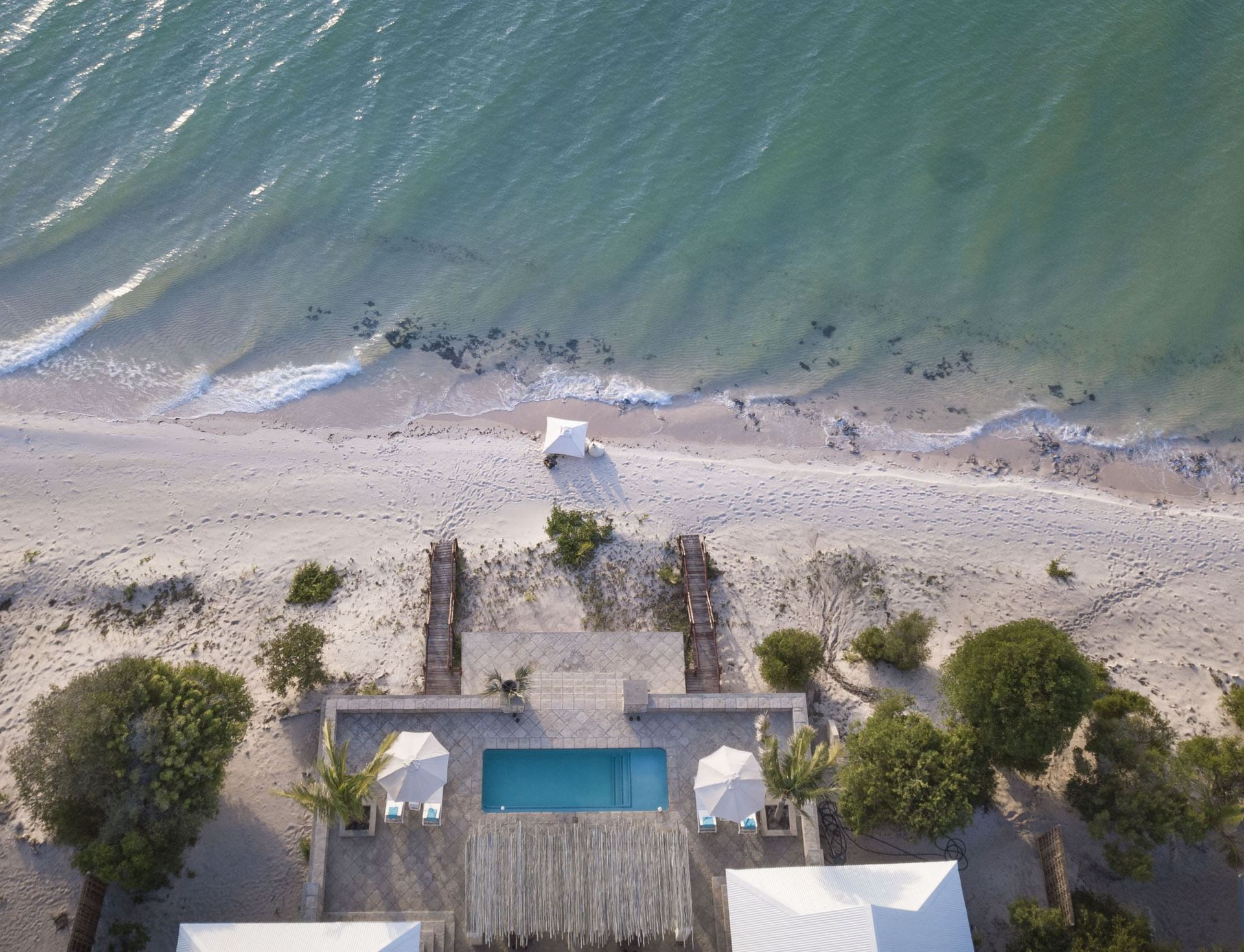
Peace Parks and ANAC are continually improving and expanding concessions to enrich ecotourism activities and accommodation options now include the luxury Anvil Bay Lodge at Ponta Chemucane – a project realized in partnership with the local community.
African Parks in Bazaruto National Park
In another astounding conservation relationship, African Parks and the Mozambique National Administration of Conservation Areas (ANAC) signed a transformative 25-year agreement dedicated to revitalizing and managing Mozambique’s Bazaruto Archipelago National Park. Their combined vision is to ensure a premier and highly productive marine protected area in eastern Africa. Bazaruto is the first marine reserve to be managed by African Parks, and the 13th park to fall under their passionate care to conserve Africa’s heritage.
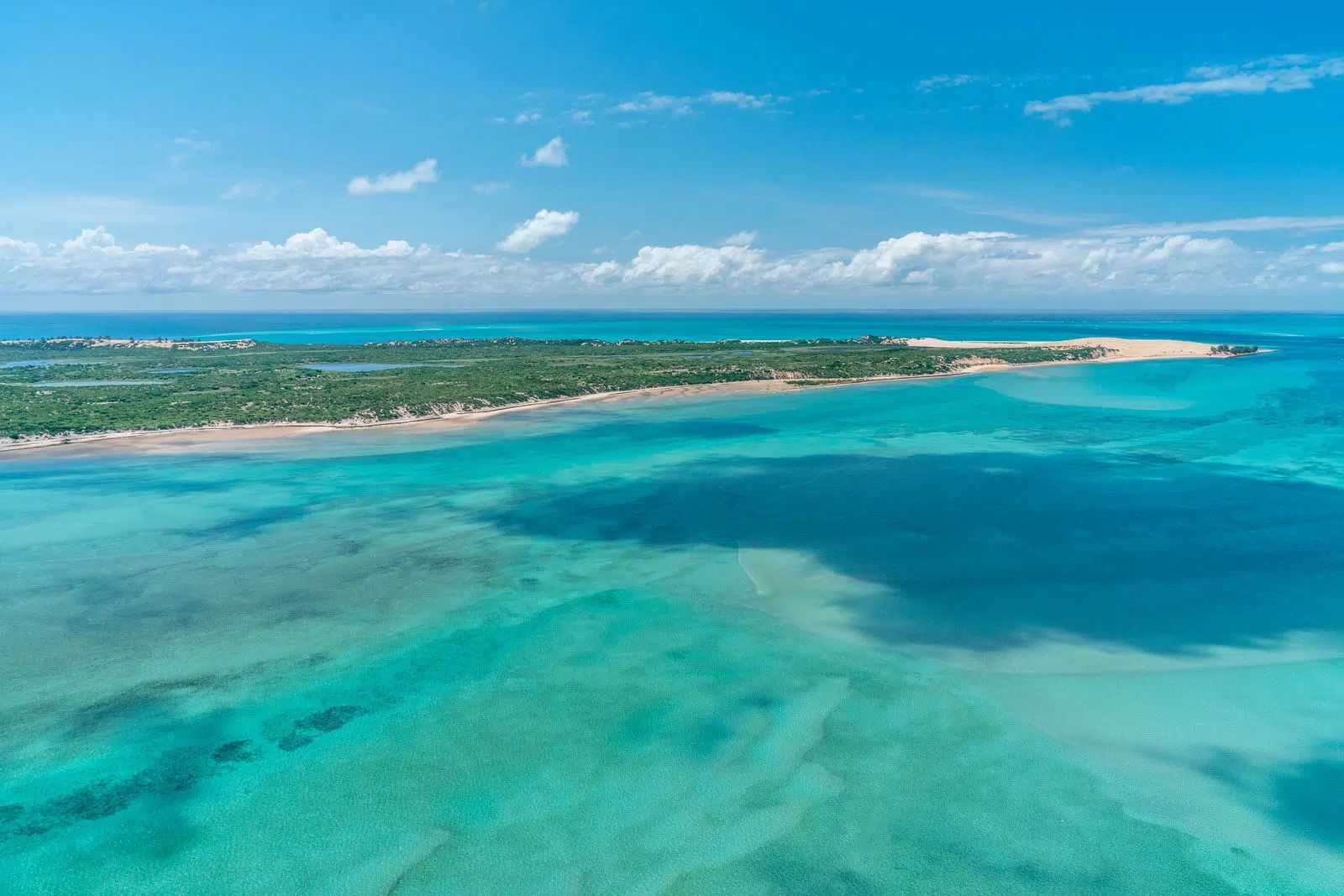
The Bazaruto Archipelago has emerged as a prime hotspot to set up ocean sanctuaries and develop enriching tourism experiences around them. Notable collaborations include the partnership between the luxury resort andBeyond Benguerra Island and the conservation entity Oceans Without Borders, orchestrating activities such as a comprehensive five-day adventure focused on tagging essential marine predator species. Likewise, on Benguerra Island, the Bazaruto Center for Scientific Studies is curating a diverse range of experiences aimed at educating guests about marine ecosystems.
Ponta do Ouro Marine Reserve
In the deep south of Mozambique close to the South African border at Kosi Bay lies the beautiful bay of Ponta do Ouro and the Ponta do Ouro Marine Reserve, a pioneering conservation area that marks Africa’s inaugural marine transfrontier initiative with the Peace Parks, bridging the protected waters of Mozambique and South Africa.
Captivating diving expeditions take eco divers out to experience fabulous underwater adventures where they can play an active role in shark conservation tuning in to live receivers, and eagerly awaiting the distinctive pings emitted by tagged sharks! The Ponta do Ouro Marine Reserve is revered for its complex biodiversity and untouched marine environment where an assortment of tropical fish, humpback whales, dolphins, sea turtles, and dugongs swim.
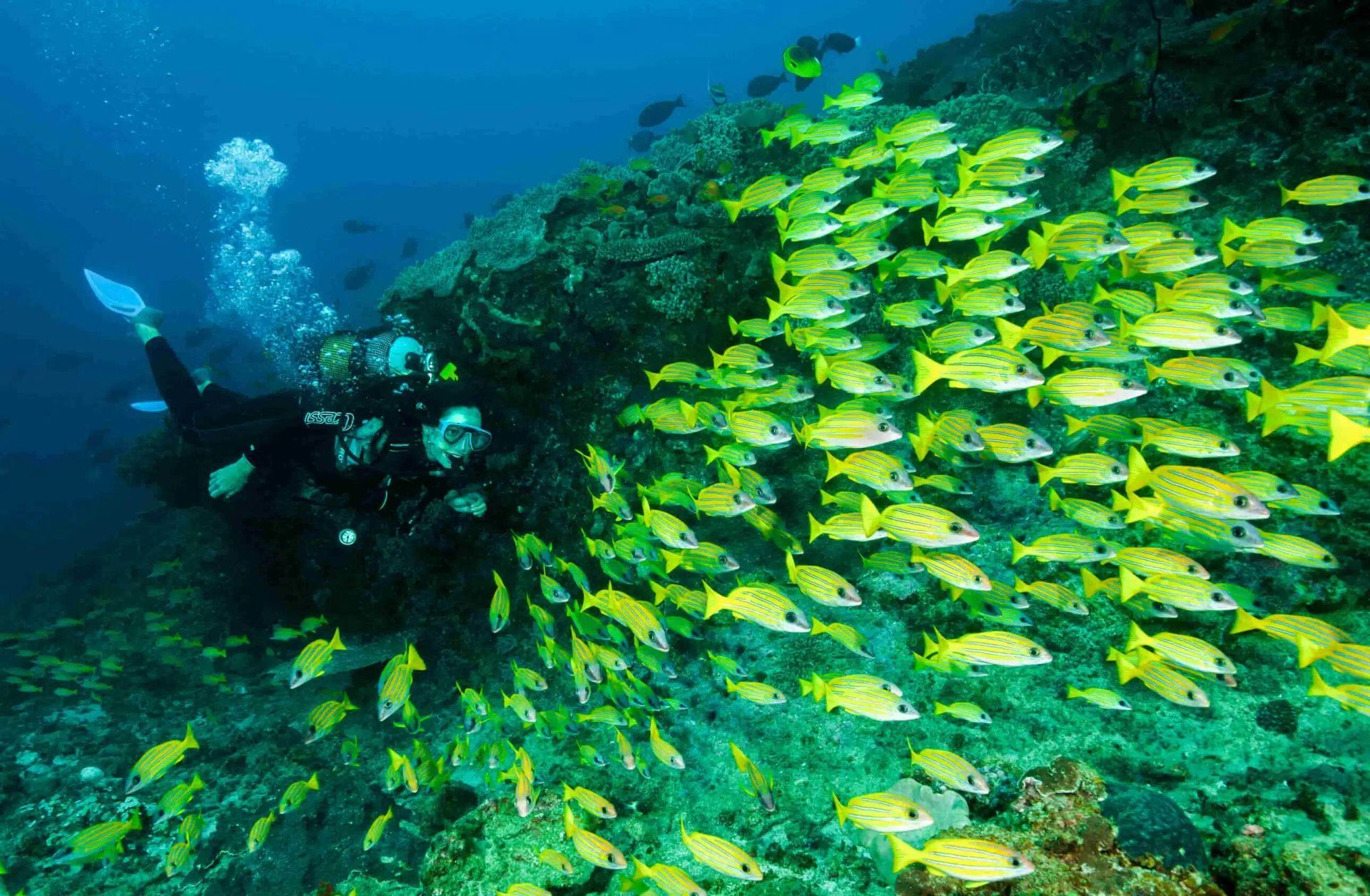
Situated within the Lubombo Transfrontier Conservation and Resource Area, this marine treasure is an integral part of the Ponta do Ouro-Kosi Bay Transfrontier Conservation Area, interweaving with South Africa’s iSimangaliso Wetland Park, a UNESCO World Heritage Site. Next to the Maputo Special Reserve, this 678 square km marine protected expanse stretches from Ponta do Ouro to Maputo Bay and includes Inhaca and Portuguese Islands.
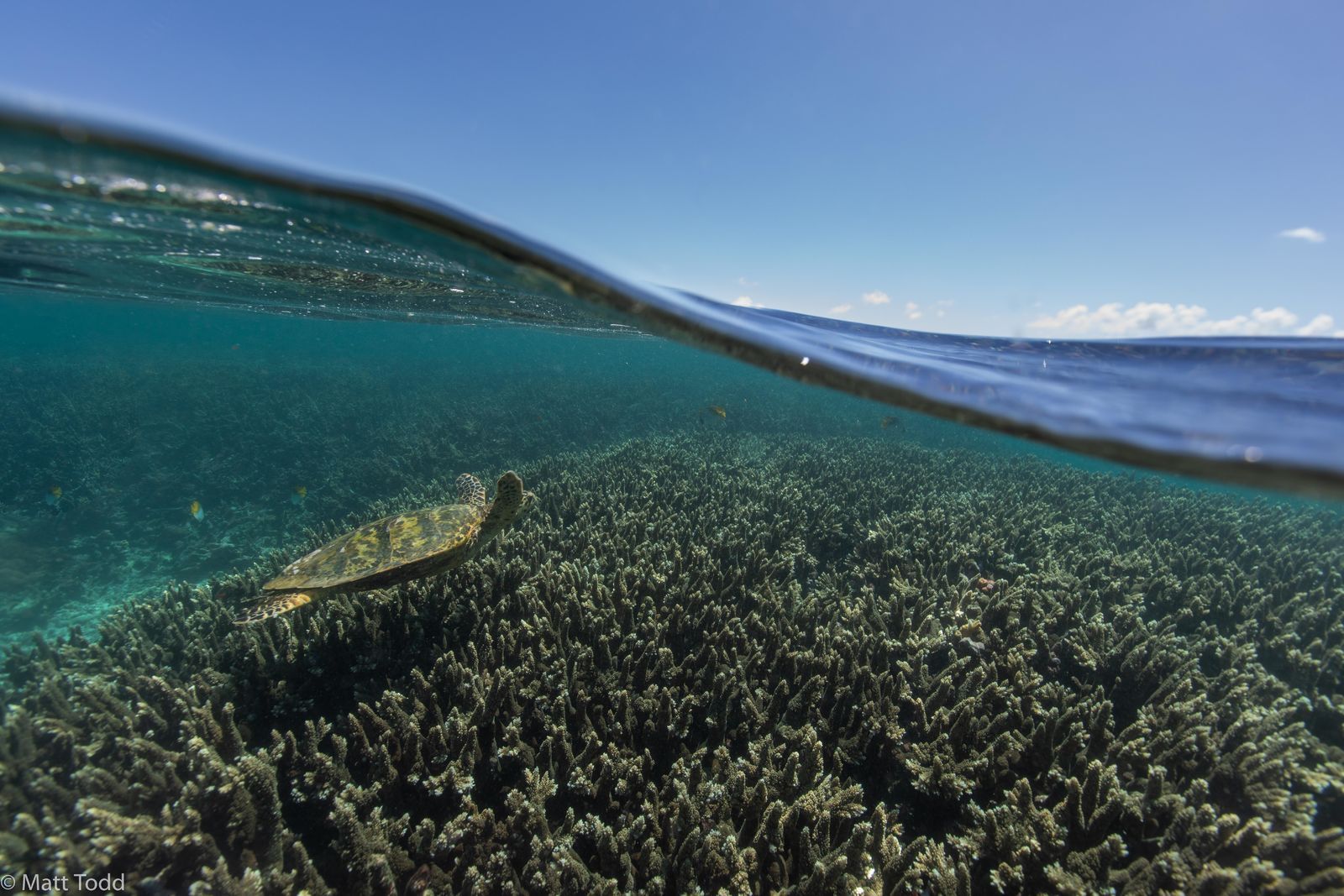
It’s a crucial nesting ground for both leatherback and loggerhead turtles, carefully monitored by trained rangers as they venture ashore to lay their precious eggs. One of the major priorities for marine conservation Mozambique.
Marine Conservation in Bazaruto National Park
The sensational Bazaruto Archipelago is indeed one of the most rewarding wilderness destinations in Mozambique, if not the world. This iconic 1430 square km ocean park is the safe refuge for iconic megafauna including migrating Humpback and Southern Right whales, various dolphin species, gentle Whale sharks, graceful Manta rays, sharks, marlin and other silvery game fish. It’s a tourism magnet too, with some of the most extraordinary diving opportunities in the Indian Ocean, and globally recognised island villas and lodges.
Bazaruto marine conservation milestones include preserving the last remaining viable population of dugongs in the western Indian Ocean and the only place where all 5 turtle species nest (leatherback, loggerhead, green, olive ridley and hawksbill). In fact, 14 Bazaruto turtle monitors, 18 rangers and 9 Vilankulos Sanctuary monitors survey the Bazaruto Islands for these ethereal creatures, carrying out tagging, monitoring and relocation of nests to better areas. In the 2021/22 breeding season, rangers counted 4500 live turtle hatchlings!
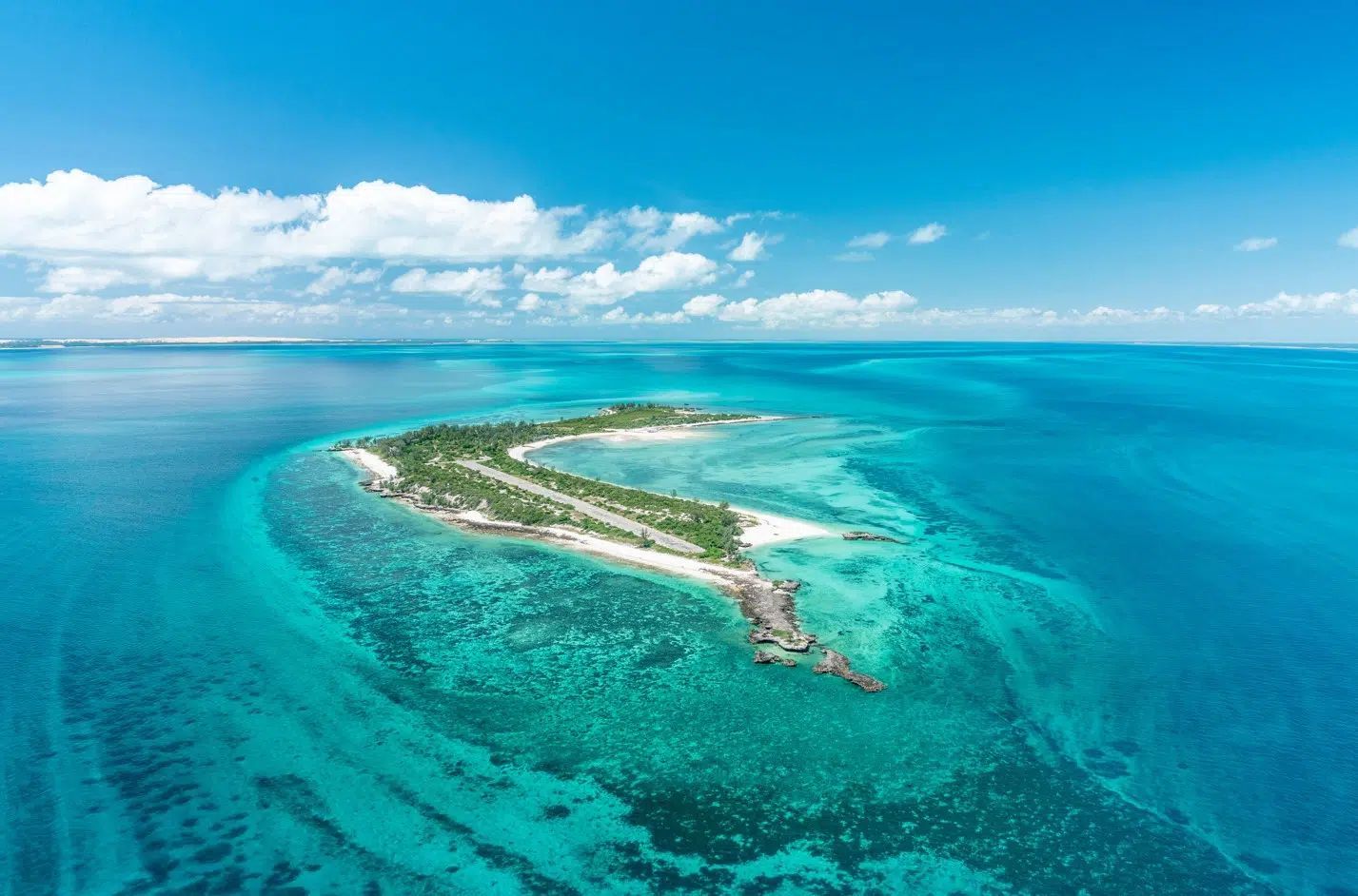
Declared a protected area in 1971, Bazaruto Archipelago National Park contains enormous inherent ecological value for people and wildlife. Recent dugong counts by air resulted in 119 adults and 16 calves and the park is home to 500 marine and coastal mollusc species, 2,000 fish species and nine marine mammal species – plus healthy coral reefs!
A great marine conservation milestone in Bazaruto is the enforcement of a comprehensive protocol for tourism boats, water sports, diving, snorkelling and sailing to assist them to better understand the needs of the marine wildlife and its habitat, and to limit their negative impacts on the entire ecosystem. In addition, the rangers work with the police and maritime authorities to apprehend poachers and other unlawful practices in the marine reserve – decreasing the number of dugong deaths in fishing nets, for example.
Add to this the new jobs provided in the park and in the fancy lodges on some of the islands and in Vilanculos – local communities are part of the excitement to conserve natural resources for their own futures, and that of the ocean that they depend upon. Their children now also have learning materials and uniforms for school!
Dolphin Safaris from Ponta do Ouro
Embark on captivating Dolphin safaris in the enchanting realm of Ponta do Ouro in stunning Southern Mozambique. Here, responsible travellers may encounter remarkable resident bottlenose dolphins, charismatic beings that choose to engage with snorkelers and divers in an almost spiritual and unforgettable experience. Dolphin safaris from Ponta do Ouro also cross paths with the endangered Indo-Pacific humpback dolphins and the marvellous Spinner dolphins.
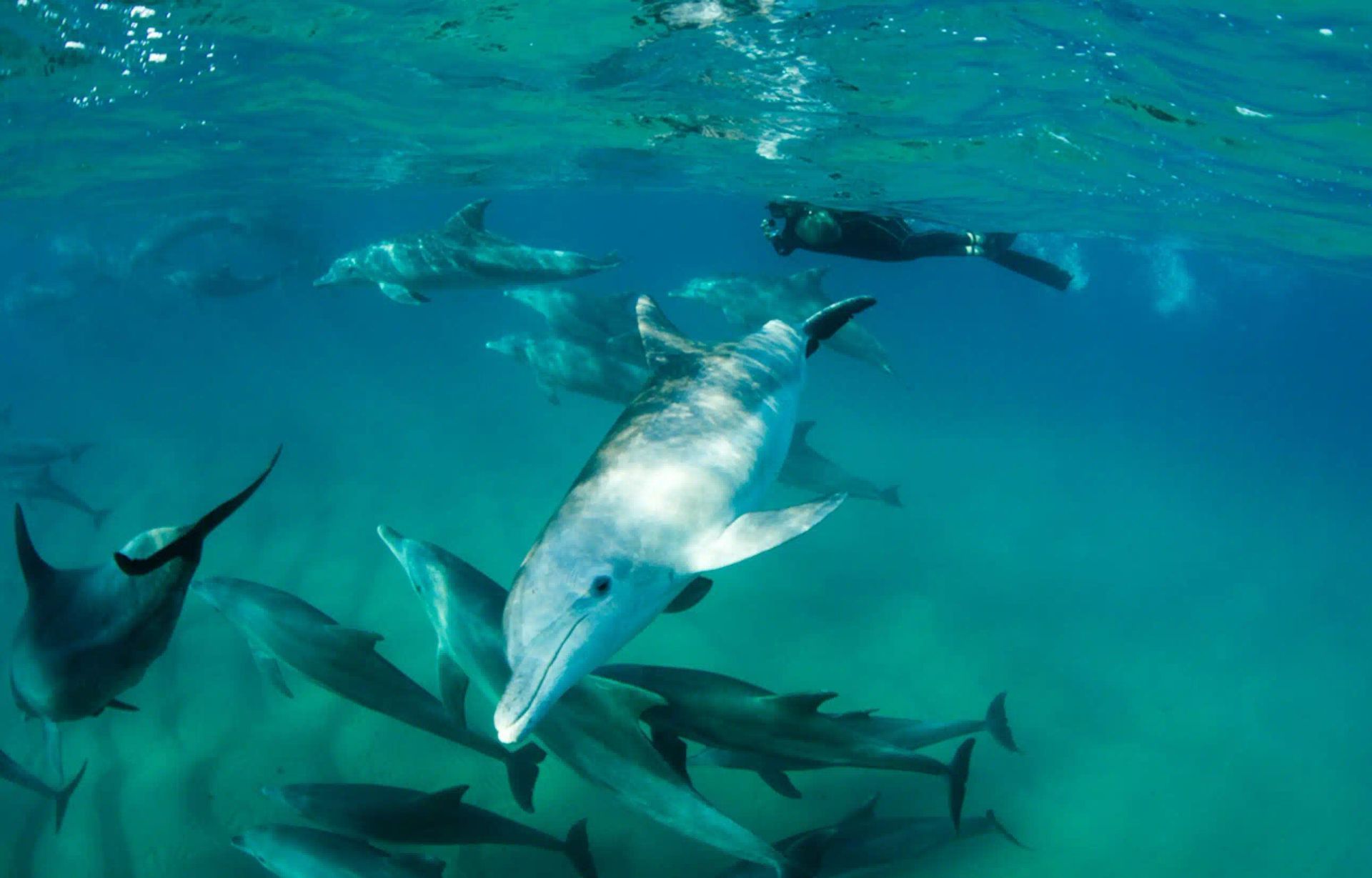
A good time to swim with dolphins in southern Mozambique is from December to May alongside majestic whale sharks and graceful Manta rays. Then, in the drier winter from July to November swim alongside the dolphins as awe-inspiring Humpback Whales pass by on their epic journey from the icy Arctic waters to the warm Mozambique Channel.
In Ponta do Ouro, the Dolphin Centre shares a profound connection with a group of wild dolphins, some permanent and others more transient. Years of interaction have forged deep bonds and unique interrelationships with these sentient beings and the wild dolphin swim program has been designed from years of dolphin safaris, showing a deep respect for the mammals’ privacy. The Dolphin Centre crew follow Responsible Marine Mammal Tourism as an Ethical Marine Mammal Campaigner in Mozambique which supports the Dolphincare code of conduct. Read more about the dolphins in Ponta here.
Diving with Dugongs in Bazaruto
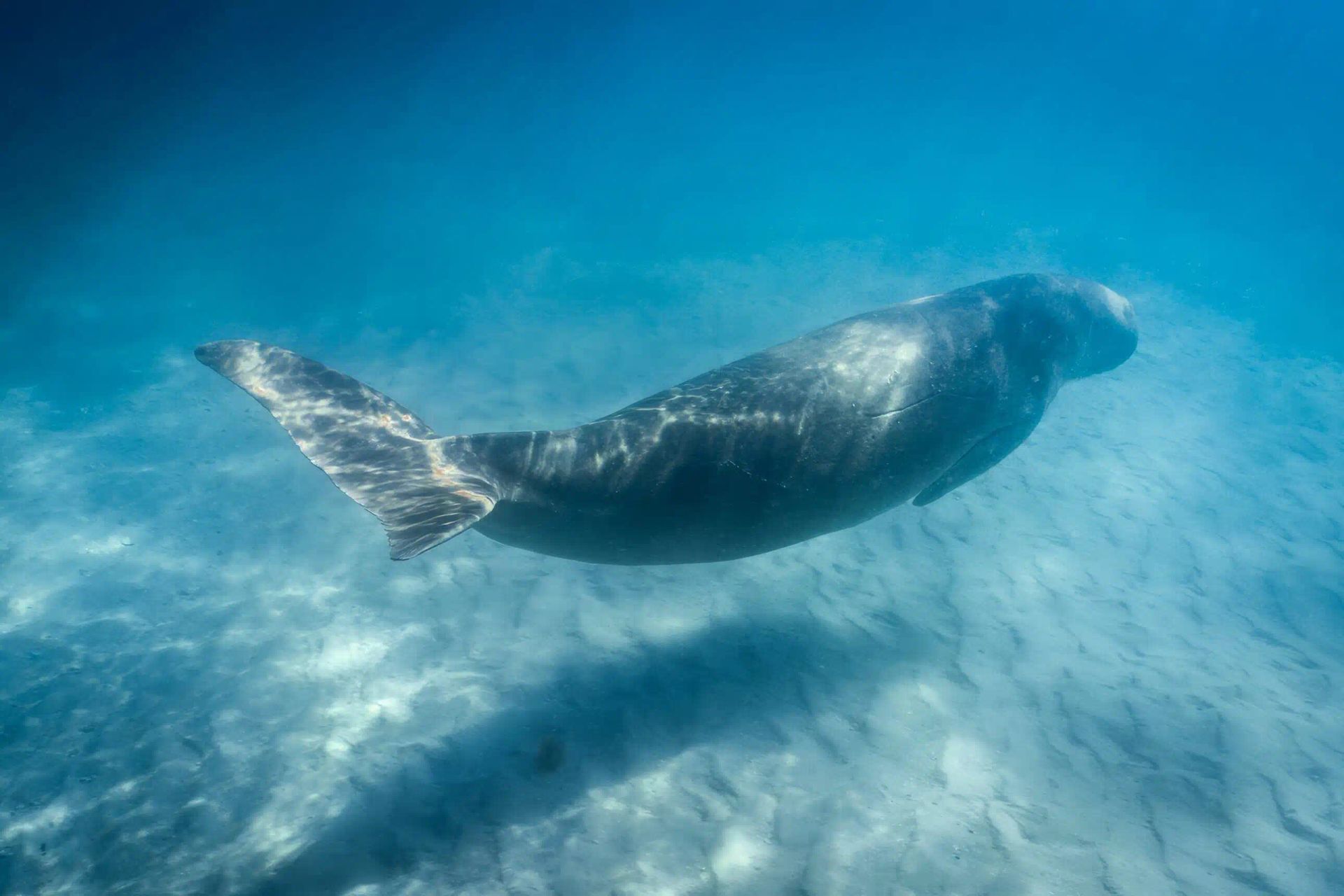
Venturing into the depths of the Bazaruto Archipelago Marine National Park for a rendezvous with the critically endangered Dugongs is nothing short of a life-altering odyssey. Diving with Dugongs in Bazaruto Mozambique is a beach holiday bucket list activity. The best places to encounter these gentle giants, Bazaruto Island and Benguerra Island, also offer idyllic gateways to luxury villas and resort spas on the edge of the ocean.
It’s not just a place to spot Dugongs; it’s a sanctuary where responsible tourism takes centre stage and the resorts are all involved. Here, you’ll uncover the secrets of Dugongs and their precious habitat. Dugongs are like elusive mermaids of the deep and daring divers can get up close and personal with these aquatic marvels as they explore the submerged wonders of the Bazaruto Archipelago.
The Bazaruto Dugong Protection Project (MZ4) has been launched to protect dugongs in and around the Bazaruto archipelago, mitigating human-induced threats and promoting responsible fisheries. Through education and sustainable practices, Dugongs can continue to grace our oceans, reminding us of the delicate balance of life beneath the waves.
One of the best conservation decisions ever made for the Bazaruto Archipelago was when the Mozambican National Administration of Conservation Areas (ANAC) invited African Parks to manage the region in 2017. Their highly respected reputation in Africa is positively benefiting several Mozambique national parks and already the dugong is getting the attention it deserves.
African Parks initiated regular patrolling to stop illegal ocean activities such as poaching and to improve management capability within the park where rangers work with police and ocean authorities. Such teamwork has already halted dugong deaths caused by fishing nets and in just 5 years, the people are realising how important biodiversity preservation is to their own lives!
Tourism is also strictly regulated to relieve pressures on the environment and its inhabitant wildlife – boating, diving, water sports and fishing activities have to be controlled for the sake of the conservation of natural resources. African Parks works with all people to look after Mozambique’s incredible natural areas, the only way to achieve a win-win situation for all.
Featured Packages
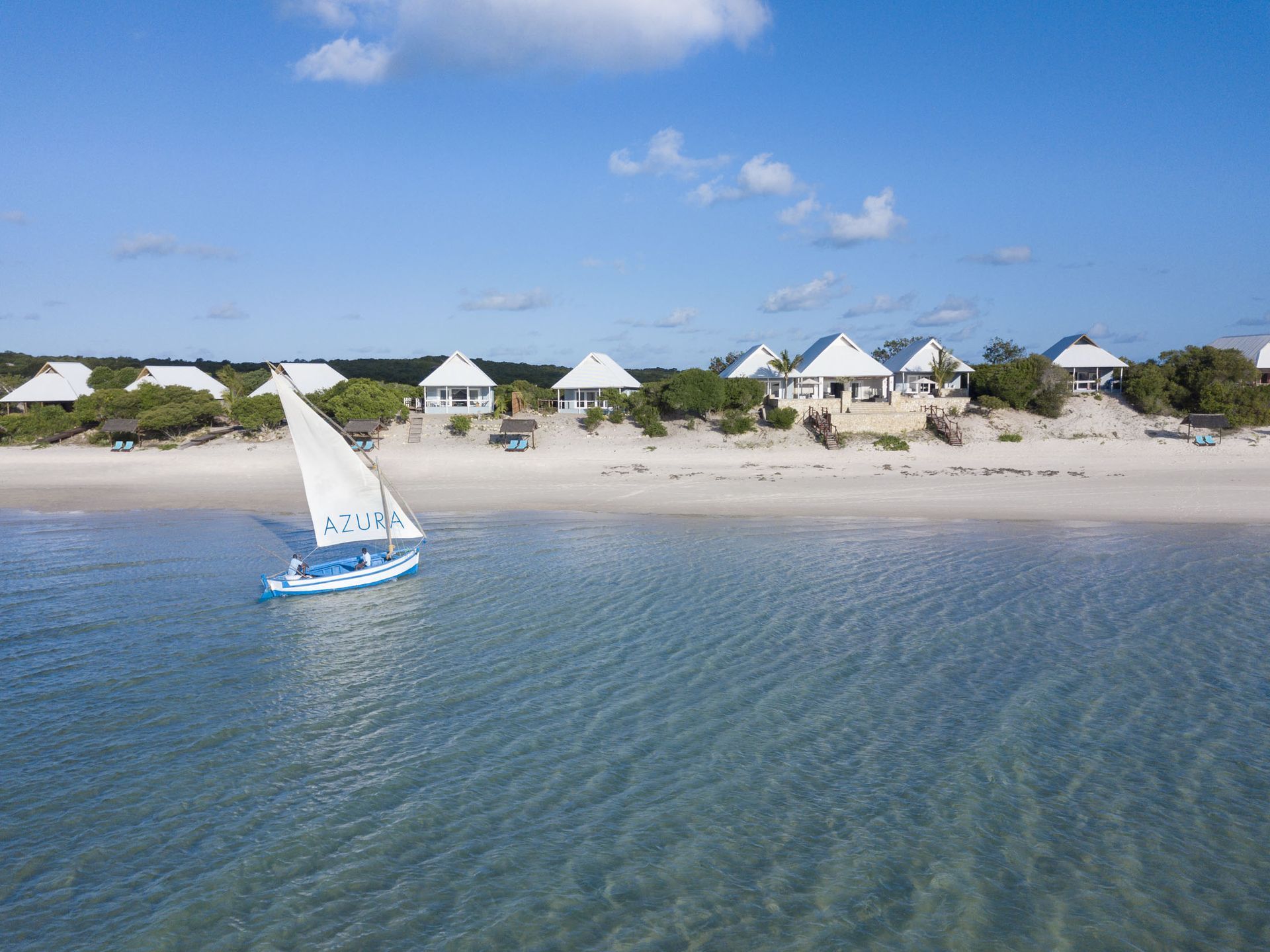
Azura Marlin Beach 5-Night SADC Special
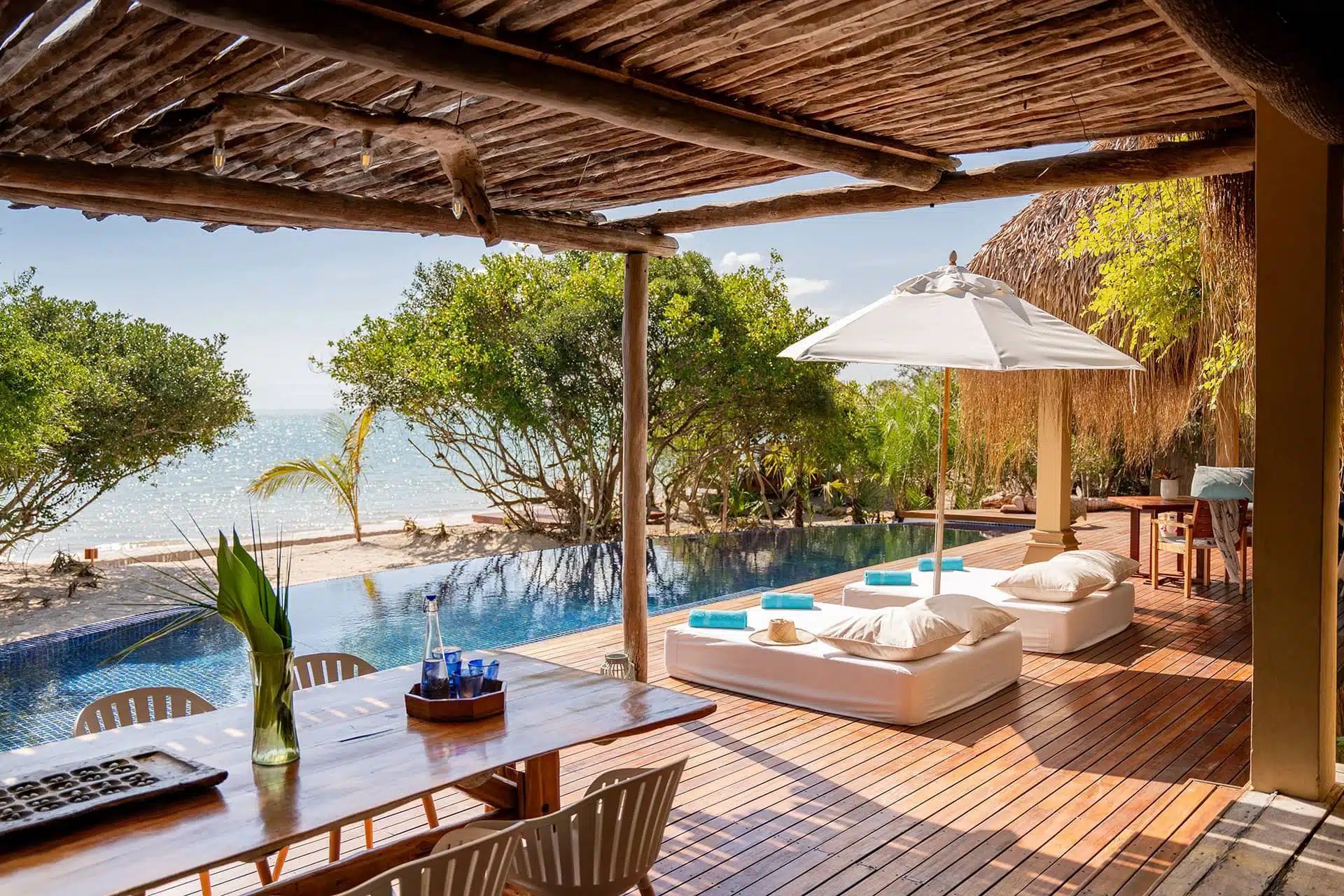
Okavango Delta Safari and Bazaruto Island Beach Holiday
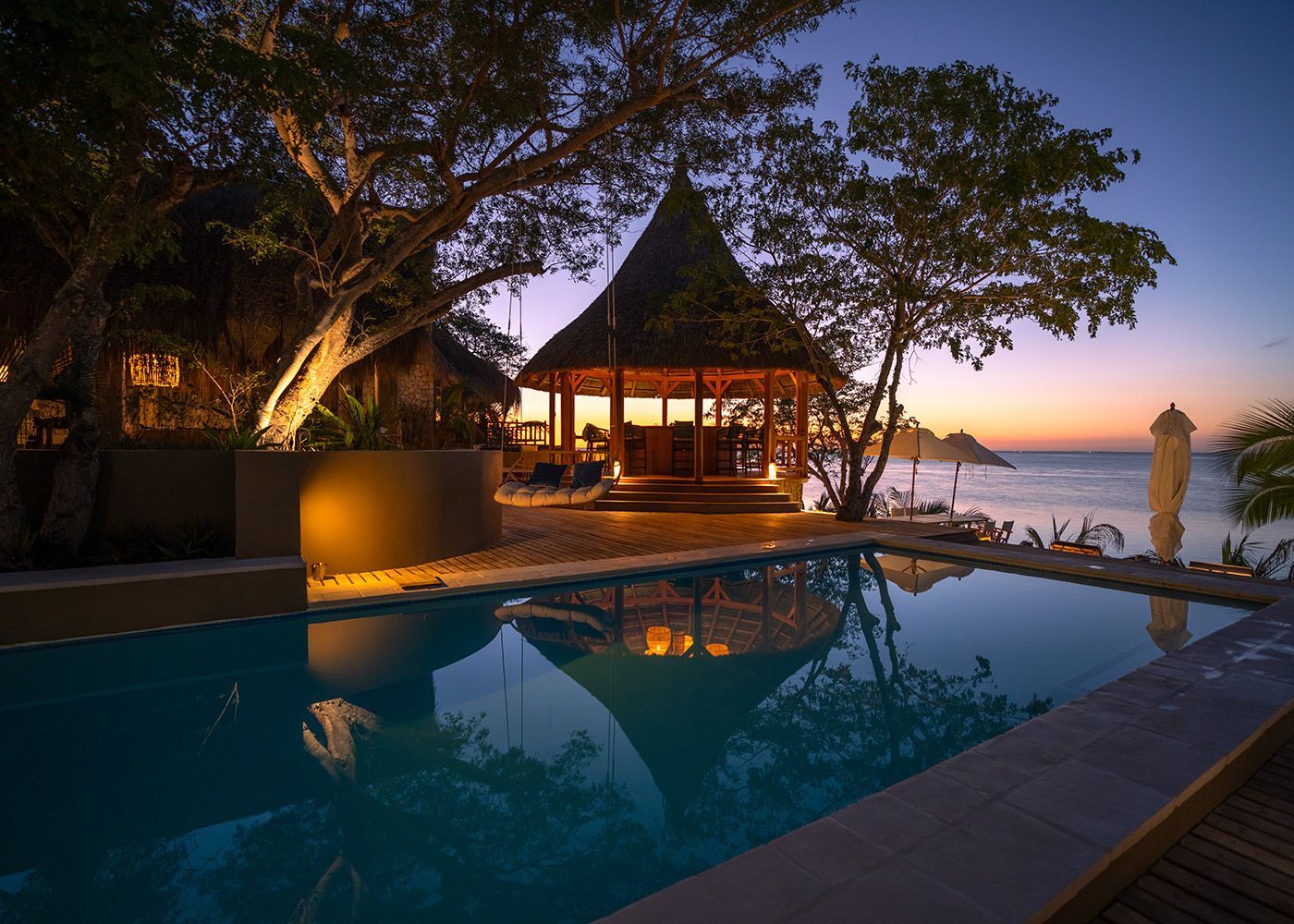
5-Night Mozawi Lodge Private Beach Holiday
SHARE THIS POST
Are You Ready FOr Mozambique?
Page through our packages and find the offer right for you!
Ready to Speak to a Mozambique Travel Expert?
Get In Touch and Ask for a Call-Back Today
Latest Posts