

Gorongosa National Park, History, Wildlife and Safari Insights
By Mozambique Travel • June 9, 2023
Why Gorongosa National Park Is One of Africa’s Most Important Safari Destinations
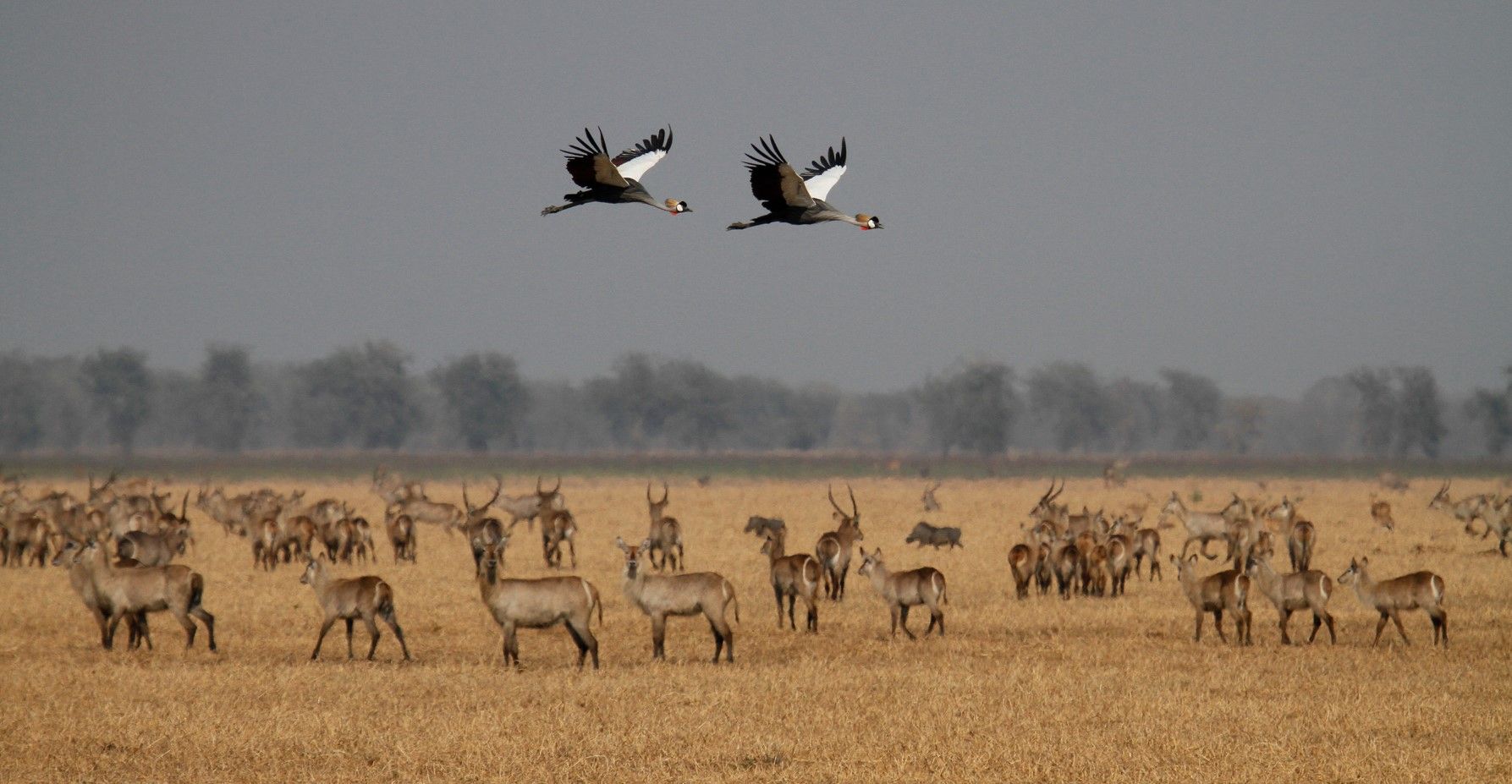
Gorongosa National Park lies at the southern end of the Great African Rift Valley in central Mozambique and is widely regarded as one of Africa’s most important conservation landscapes. Covering floodplains, savanna, rainforest, limestone gorges, and high altitude plateaus, the park protects an exceptional range of ecosystems rarely found in a single safari destination. This ecological diversity supports an extraordinary concentration of wildlife and birdlife, making Gorongosa a standout choice for travelers seeking depth, variety, and authenticity.
At Mozambique Travel, Gorongosa plays a central role in our safari planning and content strategy. Our Gorongosa safari packages and in depth blog library explore wildlife highlights, seasonal travel planning, conservation achievements, and ways to combine Gorongosa with Mozambique’s beaches. Together, they showcase why Gorongosa National Park is not only one of Mozambique’s most exciting safari destinations, but also one of Africa’s most meaningful places to visit today.
Once known as “Africa’s Eden,” Gorongosa is again earning global attention as wildlife numbers recover and tourism develops in a carefully managed, low impact way. Unlike more commercial safari regions, Gorongosa offers a quieter and more immersive experience, where game viewing is combined with landscape exploration, conservation insight, and meaningful cultural connections. For travelers looking beyond traditional safari circuits, Gorongosa National Park delivers something genuinely different.
A Conservation Success Story with Global Impact
Gorongosa’s modern story is rooted in resilience and long term vision. Years of civil conflict severely reduced wildlife populations and disrupted local communities, leaving the park almost empty by the early 1990s. What followed has become one of the most inspiring conservation recoveries in Africa. Through extensive rewilding programs, scientific research, and community based development, Gorongosa has been restored as a functioning ecosystem rather than a simple game reserve.
Large mammals such as elephants, buffalo, antelope species, and predators are steadily returning, while rare and vulnerable species like pangolins and African wild dogs are once again part of the landscape. This recovery is supported by education initiatives, healthcare access, and employment opportunities for surrounding communities, ensuring that conservation success is shared beyond park boundaries. Visiting Gorongosa means contributing directly to a model of safari tourism that prioritizes people, wildlife, and long term sustainability.
Explore Our Gorongosa National Park Travel Guides and Insights
The Gorongosa blogs below form a dedicated knowledge hub designed to help travelers understand the park in depth before they visit. These articles cover Gorongosa’s wildlife recovery, conservation model, best times to travel, seasonal conditions, safari logistics, safety considerations, and how Gorongosa fits into wider Mozambique safari and beach itineraries. Together, they provide practical planning insight and deeper context, allowing travelers to explore Gorongosa National Park with clarity, confidence, and a stronger understanding of why this landscape matters on a global conservation level.
List of Services
-
Travel Safety in Gorongosa National Park 2026 Write a description for this list item and include information that will interest site visitors. For example, you may want to describe a team member's experience, what makes a product special, or a unique service that you offer.Read Now List Item 1
-
Gorongosa Birdwatching Guide, Discover Africa’s Most Diverse Bird Habitats in One Park Write a description for this list item and include information that will interest site visitors. For example, you may want to describe a team member's experience, what makes a product special, or a unique service that you offer.READ NOW List Item 2
-
Gorongosa Biodiversity Research 2026, Inside Africa’s Most Ambitious Living Laboratory Write a description for this list item and include information that will interest site visitors. For example, you may want to describe a team member's experience, what makes a product special, or a unique service that you offer.READ NOW List Item 3
-
Gorongosa Safari Planning Guide 2026 – Meaningful Mozambique Safaris Write a description for this list item and include information that will interest site visitors. For example, you may want to describe a team member's experience, what makes a product special, or a unique service that you offer.read now List Item 4
-
Gorongosa Walking Safaris 2026 Write a description for this list item and include information that will interest site visitors. For example, you may want to describe a team member's experience, what makes a product special, or a unique service that you offer.
read now -
Gorongosa in 2026: New Developments, New Wildlife Sightings, and Why It’s Africa’s Most Exciting Parks Write a description for this list item and include information that will interest site visitors. For example, you may want to describe a team member's experience, what makes a product special, or a unique service that you offer.
read now -
The Gorongosa Rainforest & Sky Islands Write a description for this list item and include information that will interest site visitors. For example, you may want to describe a team member's experience, what makes a product special, or a unique service that you offer.
read now -
A Travel Guide to Gorongosa National Park in the Heart of Mozambique Write a description for this list item and include information that will interest site visitors. For example, you may want to describe a team member's experience, what makes a product special, or a unique service that you offer.
read now -
Safari Camps and Getting to Gorongosa National Park Write a description for this list item and include information that will interest site visitors. For example, you may want to describe a team member's experience, what makes a product special, or a unique service that you offer.
read now -
The Wildlife Conservation of Gorongosa National Park Write a description for this list item and include information that will interest site visitors. For example, you may want to describe a team member's experience, what makes a product special, or a unique service that you offer.
read now -
The History of Gorongosa National Park in Mozambique Write a description for this list item and include information that will interest site visitors. For example, you may want to describe a team member's experience, what makes a product special, or a unique service that you offer.
read now -
Why Book Gorongosa with Mozambique Travel in 2025? Write a description for this list item and include information that will interest site visitors. For example, you may want to describe a team member's experience, what makes a product special, or a unique service that you offer.
read now -
A Safari to Gorongosa National Park in Pictures Write a description for this list item and include information that will interest site visitors. For example, you may want to describe a team member's experience, what makes a product special, or a unique service that you offer.
read now -
Rehabilitation of Pangolins and African Wild Dogs in Gorongosa Write a description for this list item and include information that will interest site visitors. For example, you may want to describe a team member's experience, what makes a product special, or a unique service that you offer.
read now -
The Incredible Story of the Restoration of Mount Gorongosa Write a description for this list item and include information that will interest site visitors. For example, you may want to describe a team member's experience, what makes a product special, or a unique service that you offer.
read now -
The Empowered Community of Gorongosa National Park Write a description for this list item and include information that will interest site visitors. For example, you may want to describe a team member's experience, what makes a product special, or a unique service that you offer.
read now -
The Legacy of E.O. Wilson in Gorongosa National Park Write a description for this list item and include information that will interest site visitors. For example, you may want to describe a team member's experience, what makes a product special, or a unique service that you offer.
read now -
What The Future Holds for Gorongosa National Park Write a description for this list item and include information that will interest site visitors. For example, you may want to describe a team member's experience, what makes a product special, or a unique service that you offer.
Item Link
Wildlife Diversity and Seasonal Safari Experiences
Safari experiences in Gorongosa National Park change meaningfully throughout the year, shaped by rainfall, water movement, and shifting wildlife patterns. Dry season conditions concentrate animals around rivers and floodplains, while the green season brings new life, dramatic landscapes, and peak birding. These seasonal shifts influence not only game viewing, but also photography, guiding styles, and the overall rhythm of a safari.
The articles below explore these changes in detail, alongside Gorongosa’s wide range of safari activities, from game drives and walking safaris to canoe excursions and habitat focused exploration. Together, they show how wildlife, landscapes, and conservation processes interact across the park, offering deeper context than a single overview ever could.
Gorongosa’s Role in the Future of African Safari
Gorongosa has become a reference point for a new style of African safari, where conservation science, community development, and tourism operate as one system. Ongoing research, reintroduction programs, and landscape level restoration shape how the park evolves year by year. The blogs below track this progress, highlighting why Gorongosa continues to gain global attention as one of Africa’s most forward thinking safari destinations.
Plan Your Gorongosa Safari with Mozambique Travel
Mozambique Travel has spent more than 20 years planning safaris that go beyond surface level wildlife viewing. Our Gorongosa itineraries are built around seasonal knowledge, conservation insight, and carefully chosen lodges, ensuring each safari reflects the park’s complexity and character. The articles below support that planning process, giving travelers the insight needed to experience Gorongosa with clarity, confidence, and purpose.
Whether you are planning a dedicated
Mozambique safari or a bush and beach combination with Vilanculos or the Bazaruto Archipelago, we manage every detail for a smooth and well balanced holiday. Travel with confidence and discover Gorongosa with Mozambique Travel, trusted experts in safari and beach journeys across Southern Africa.
Featured Packages
Azura Marlin Beach 5-Night SADC Special
Okavango Delta Safari and Bazaruto Island Beach Holiday
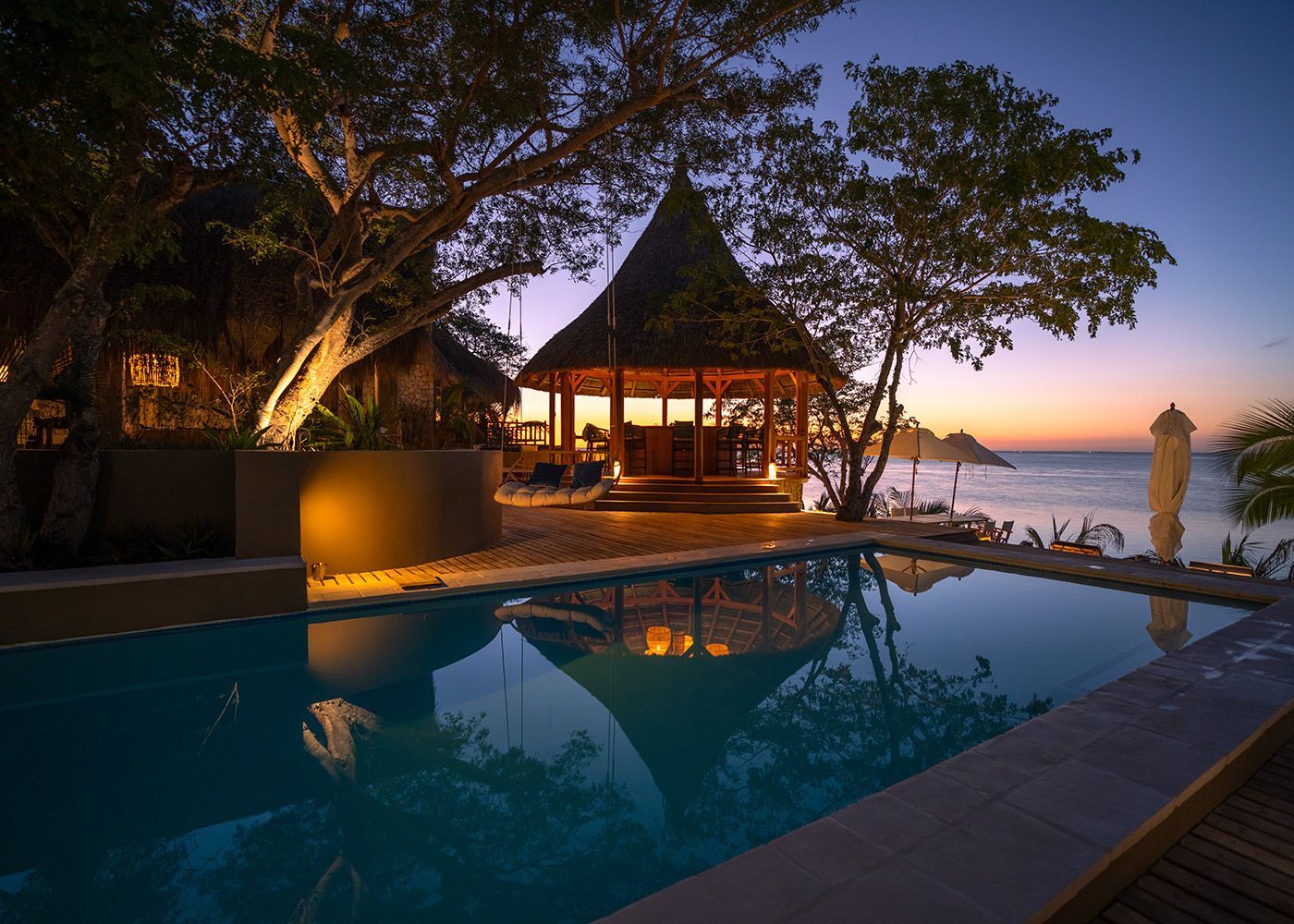
5-Night Mozawi Lodge Private Beach Holiday
Frequently asked questions
Why is Gorongosa National Park called “Africa’s Eden”?
Gorongosa earned the nickname “Africa’s Eden” because of its extraordinary biodiversity and varied landscapes, from floodplains and savannas to forests and wetlands. It is home to hundreds of bird species, large herds of plains game, and thriving populations of elephants, lions, and hippos. The park’s recovery after civil war has made it an inspiring conservation success story and a showcase of how nature can rebound when protected.
What wildlife can I expect to see in Gorongosa?
Visitors can see a wide variety of animals, including elephants, lions, wild dogs, hippos, crocodiles, buffalo, zebras, and antelope species like waterbuck and reedbuck. Gorongosa is also a birder’s paradise, with rare and migratory species such as the Grey Crowned Crane and the African fish eagle. The park’s diverse ecosystems ensure that each safari drive offers different wildlife sightings.
When is the best time to visit Gorongosa National Park?
The park is open from mid-April to the end of November. The dry season, from June to October, is the best time for wildlife viewing because animals gather around limited water sources. Early in the season, April and May, are also rewarding months for birdwatching and boat safaris on Lake Urema, when wetland species are especially active.
How can I combine Gorongosa with other Mozambique destinations?
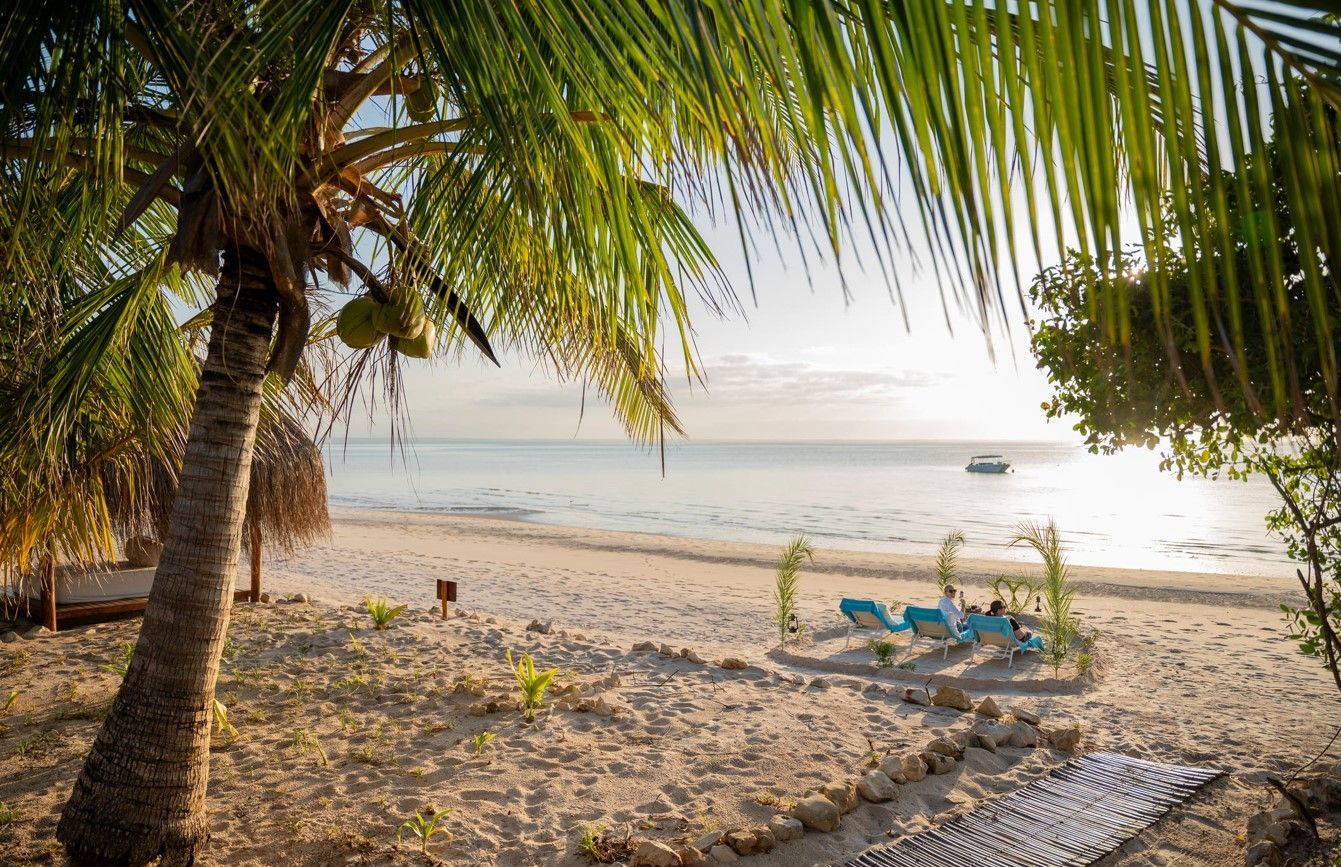
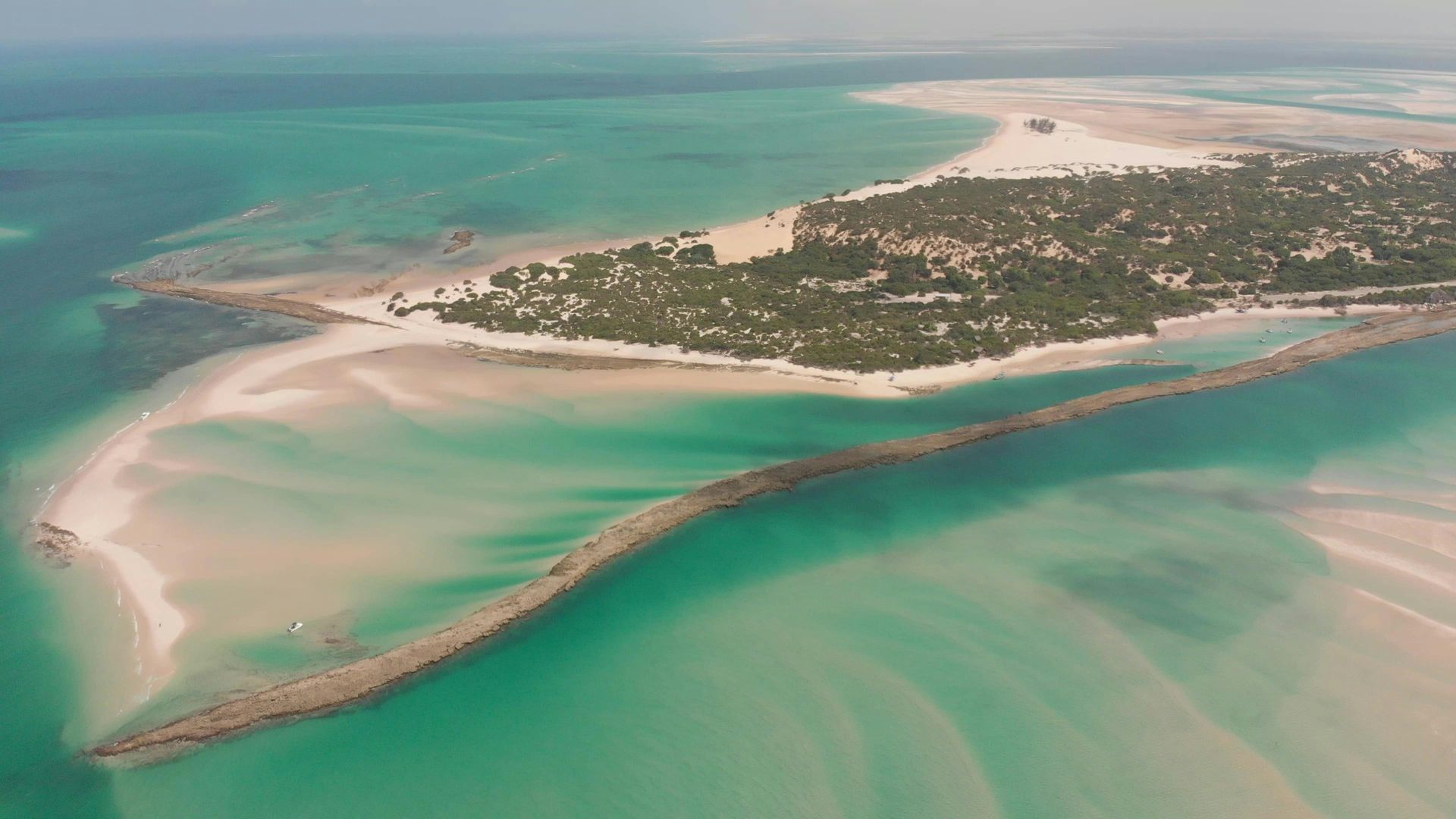
Many travelers pair a Gorongosa safari with Mozambique’s spectacular beaches. After exploring the park’s wildlife, you can fly to Vilanculos or the Bazaruto Archipelago for luxury island stays, diving, snorkeling, and dhow sailing. This bush-and-beach combination offers the best of Mozambique: untamed wilderness alongside idyllic Indian Ocean escapes.
What makes Gorongosa different from other safari parks in Africa?
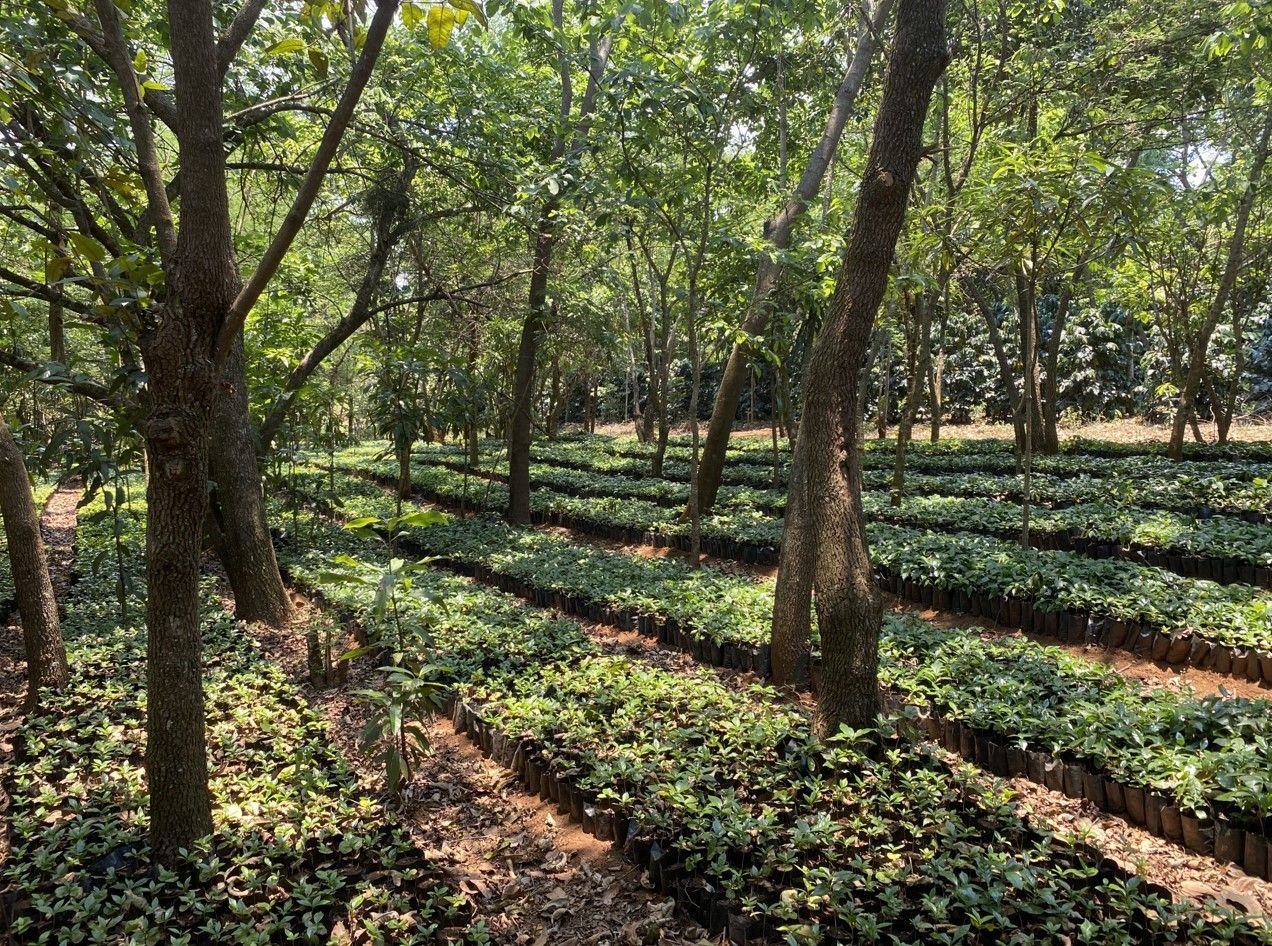
Gorongosa is unique because it combines world-class wildlife viewing with community-driven conservation. Unlike more commercial safari parks, it offers an authentic, less crowded experience where travelers can witness ecological restoration in action. From reintroduced wild dogs to community-run coffee projects on Mount Gorongosa, the park showcases how people and nature thrive together, making it both a wildlife haven and a model for sustainable tourism.
SHARE THIS POST
Are You Ready FOr Mozambique?
Page through our packages and find the offer right for you!
Ready to Speak to a Mozambique Travel Expert?
Get In Touch and Ask for a Call-Back Today
Latest Posts