

Human-Wildlife Conflict in Mozambique: Understanding the Tension Between Conservation and Survival
By Mozambique Travel • May 21, 2026

What Human-Wildlife Conflict Really Means in Mozambique
Human-wildlife conflict in Mozambique refers to situations where people and wild animals compete for space, resources, or safety, often with serious consequences for both. It is not a single issue but a collection of overlapping pressures shaped by history, poverty, land use, and conservation recovery. In Mozambique, wildlife is returning to landscapes where people have lived, farmed, and grazed livestock for generations. As ecosystems recover, interactions increase, especially along park edges, river systems, and seasonal grazing routes. These interactions are rarely ideological. They are practical, immediate, and often linked to food security, household income, and safety.
Understanding conflict requires moving beyond simplistic narratives of people versus animals and recognising the realities faced by rural communities living alongside wildlife. It also requires recognising that “conflict” includes fear, disrupted sleep, lost school days, and the stress of guarding crops at night, not only the final incident of an animal killed or a field damaged.
Why Human-Wildlife Conflict Is Increasing in Mozambique
Several factors are driving rising conflict across Mozambique. Wildlife populations are recovering in some protected areas, while human populations continue to grow around them. At the same time, habitat fragmentation concentrates animals into smaller spaces, which increases encounters at water points, along access roads, and near farms. Where corridors narrow, animals follow the same predictable routes, and communities often rely on those same routes for grazing and transport.
Historical disruption also plays a role. Decades of civil conflict displaced communities and weakened conservation enforcement. As stability returned, people resettled land that later became wildlife habitat again. In some regions, protected area recovery now means animals are moving beyond boundaries into landscapes with fields, livestock, and busy village networks.
Climate variability compounds the issue. Droughts, floods, and changing seasons reduce available grazing and crops, increasing competition between people and wildlife for the same resources. When natural forage drops, elephants range wider, predators shift their hunting patterns, and communities become more vulnerable because households have less “buffer” to absorb loss.

Species Most Commonly Involved in Conflict
Human-wildlife conflict in Mozambique is not limited to predators. It involves a wide range of species, each creating different challenges. Lions are associated with livestock predation and, in rare cases, threats to human safety. Leopards and hyenas are often blamed for losses, sometimes incorrectly, particularly when tracks are unclear or carcasses are found late.
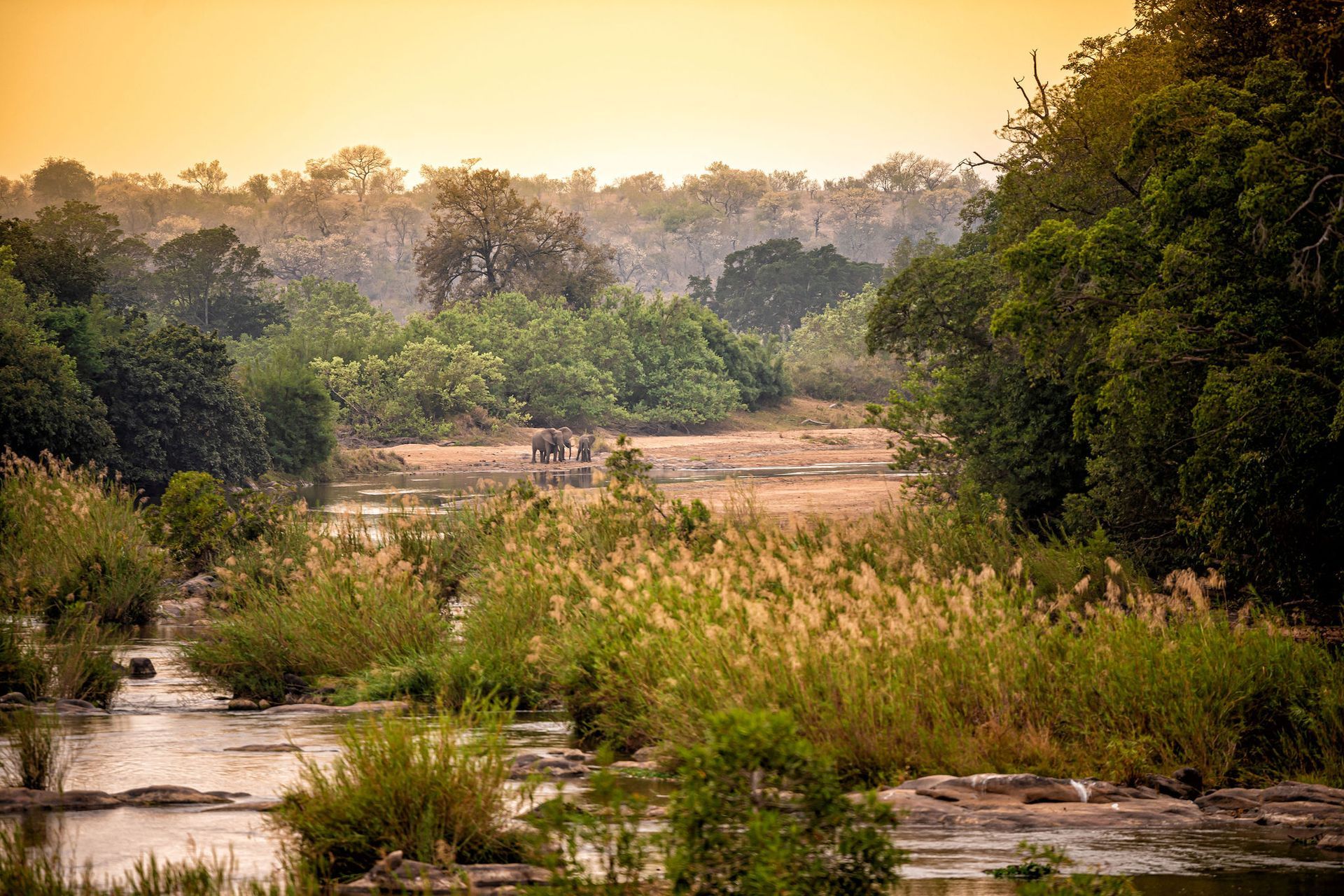
Elephants cause extensive crop damage, destroy infrastructure, and can injure or kill people during encounters. Their size and intelligence make mitigation particularly complex, and repeated incidents can shift community attitudes faster than almost any other species. Gorongosa’s elephant-focused work highlights how understanding movement patterns and conflict “hotspots” is central to reducing harm on both sides.

Livestock Predation and Rural Livelihoods
For many Mozambican families, livestock represent savings, security, and status. The loss of even a single animal can have severe economic consequences, affecting school fees, medical costs, and resilience through a difficult season. This is why predation incidents can escalate quickly into retaliation, even in communities that otherwise support conservation.
When predators kill livestock, retaliation often follows. Poisoning and snaring may be used, frequently killing non-target species and undermining conservation gains. Where reporting systems are slow or responses feel absent, people default to self-protection methods that can wipe out multiple species in a single event.
Crop Raiding and the Elephant Challenge
Elephant-related conflict is one of the most difficult issues in Mozambique. Elephants raid crops, damage water infrastructure, and disrupt livelihoods, particularly in areas bordering protected zones. Once elephants learn a reliable food source exists near farms, patterns can repeat, and a few individuals can drive ongoing pressure across a wide area.
Unlike predators, elephants cannot be easily deterred with simple measures. Their intelligence allows them to overcome many barriers, and inconsistent deterrence can actually train elephants to test defenses more aggressively. Community-led approaches that combine early warning, coordinated response, and locally appropriate deterrents tend to perform better than isolated efforts on one field.
For communities already living close to subsistence levels, repeated crop loss creates resentment toward conservation and fuels illegal killing. Solutions require coordinated land-use planning, early warning systems, and long-term investment rather than short-term deterrents.
Snaring, Bushmeat, and Indirect Conflict
Snaring is both a symptom and driver of human-wildlife conflict. While often framed as poaching, many snares are set to meet basic protein needs, or to generate informal income where economic alternatives are limited. The problem is that snares are indiscriminate, and their impact is often undercounted because the damage happens out of sight.
These traps kill prey species and predators alike, including lions, wild dogs, and leopards. Even non-fatal injuries reduce animals’ ability to hunt or reproduce, which can destabilise entire predator systems.
Bushmeat hunting reduces prey availability, forcing predators to target livestock more frequently and intensifying conflict cycles. Addressing snaring requires alternative livelihoods and protein sources, not enforcement alone.

The Role of Protected Areas and Recovery
Protected areas such as Gorongosa National Park illustrate both the promise and challenge of wildlife recovery. As ecosystems recover, animal populations expand beyond park boundaries. This success creates new conflict zones along park edges where communities and wildlife overlap, particularly where farms and grazing fall directly on movement routes.
Without buffer zones, community engagement, and shared benefits, conservation success inside parks can generate resistance outside them. One practical shift that is gaining momentum is training and equipping community members to support conflict mitigation directly, so response is local, fast, and trusted. Gorongosa has documented community training focused on coexistence strategies within its wider human development and conservation model.
What Is Changing on the Ground
Across Mozambique and the wider region, conflict response is becoming more data-led and community-driven. Tracking, reporting, and mapping are increasingly used to identify repeat conflict points, seasonal pressure zones, and routes that need corridor protection. Programs that focus on elephants often prioritise real-time monitoring and practical mitigation in communities, not only inside protected areas.
At the policy and planning level, management plans and guidance documents increasingly emphasise buffer zones and coordinated mitigation measures, rather than expecting communities to manage alone. Technical guidance on mitigation approaches recognises that elephants require layered strategies and consistent implementation, not one-off deterrents.

Why Retaliatory Killing Persists
Retaliatory killing is often portrayed as hostility toward wildlife, but it is more accurately a response to insecurity. When people feel unsupported or unheard, they take matters into their own hands. When a household has lost crops twice in a season, or livestock in successive weeks, tolerance can collapse quickly.
Poisoning is particularly destructive, killing multiple species and undermining years of conservation work in a single incident. It can also remove scavengers and disrupt ecosystem balance, creating knock-on effects that communities then feel through increased carcasses near settlements and heightened fear.
What Actually Works in Reducing Conflict
Evidence from Mozambique and the wider region shows that conflict reduction is possible when approaches are practical and community-led. Improved livestock enclosures, herding practices, and guardian systems reduce predation. Crop protection strategies, including coordinated planting, watch systems, and locally suitable deterrents, lower elephant damage. Research from Gorongosa’s border communities also supports the value of testing and scaling methods that people will actually adopt, rather than relying on solutions that look good on paper but fail under daily pressure.
Compensation and benefit-sharing schemes increase tolerance when losses occur, but only when systems are trusted and timely. Employment within conservation areas creates direct incentives for coexistence, particularly when jobs are stable and linked to visible community improvements.

Community-Based Conservation as a Long-Term Solution
Community-based conservation recognises that people living with wildlife must benefit from its presence. Revenue sharing, education, and decision-making inclusion are central to this approach. Where communities see tangible improvements in livelihoods, attitudes toward wildlife shift measurably, and reporting becomes more cooperative.
Mozambique’s most promising conservation outcomes increasingly come from programmes that integrate human wellbeing into ecological planning rather than treating it as a secondary concern. This includes investing in conflict training, supporting safer livestock systems, and building local capacity for mitigation rather than relying solely on external teams.
The Role of Tourism in Human-Wildlife Conflict
Responsible tourism can reduce conflict by funding conservation, supporting local employment, and increasing tolerance for wildlife. When tourism revenue and jobs are visible at community level, wildlife becomes a shared asset rather than a cost that households carry alone.
However, poorly managed tourism can exacerbate tensions if benefits bypass local communities or if wildlife is prioritised over human safety. Tourism must be structured to support coexistence, not deepen divides, including transparent benefit pathways, community partnerships, and responsible visitor behaviour near sensitive edges.

Why Human-Wildlife Conflict Is a Measure of Conservation Success
Paradoxically, increased conflict often signals ecological recovery. As wildlife returns, interactions increase. The challenge is ensuring that recovery does not come at an unacceptable cost to people, especially households that are least able to absorb loss.
Mozambique’s conservation future depends not on eliminating conflict entirely, but on managing it fairly and sustainably. That means acknowledging the true cost of living with wildlife and building systems that reduce harm while keeping recovery on track.
The Future of Coexistence in Mozambique
Human-wildlife conflict will remain a defining issue for Mozambique’s conservation landscape. There are no quick fixes. Long-term solutions require land-use planning, stable governance, community empowerment, and realistic expectations about wildlife recovery.
Mozambique’s experience offers valuable lessons for conservation across Africa: coexistence is possible, but only when people are placed at the centre of conservation strategies, and when the benefits of wildlife are as practical and reliable as the risks communities face.
Frequently asked questions about conservation in mozambique
How do communities in Mozambique reduce elephant crop raiding without harming elephants?
Communities in Mozambique reduce elephant crop raiding through a combination of conservation strategies, community cooperation, and non-lethal deterrents designed to protect both people and wildlife. Farmers often use chilli fences, beehive barriers, watchtowers, and organised patrols to discourage elephants from entering agricultural areas. Conservation organisations also work with local communities to improve land-use planning and create wildlife corridors that reduce conflict between elephants and settlements. In regions near protected areas such as Gorongosa National Park and Maputo National Park, education programmes and community conservation projects help residents manage human-wildlife interactions more effectively while supporting long-term elephant protection.
What is the fastest way to prevent livestock losses to lions, leopards, and hyenas in Mozambique?
Night losses drop sharply when livestock are brought into strong, predator resistant bomas. Use tight poles, chain link or thorn reinforcement, and a secure gate, and keep calves and goats closest to the house. Herding during the day, avoiding grazing in dense cover, and using trained guardian dogs reduce risk. Quick reporting helps rangers respond before retaliation begins. Lights near kraals can deter predators at night.
Why are snares such a big problem for Mozambique’s predators and wild dogs?
Snares are cheap, easy to set, and indiscriminate. They kill prey animals, which pushes carnivores toward livestock, and they injure predators directly, often causing infections or limb loss. Pack species such as wild dogs are especially vulnerable because they return to help a trapped member. Research across Africa shows snaring creates hidden wildlife losses and long recovery times. Removing snares and providing food alternatives reduces pressure.
Does human-wildlife conflict get worse when parks successfully restore wildlife populations?
Often yes, at first. When wildlife rebounds, animals expand into edge habitats, and encounters increase with farms, grazing areas, and water points. This does not mean conservation failed, it means planning must catch up. Buffer zones, community benefit programs, and trained local response teams can turn a difficult transition into stable coexistence. Gorongosa’s community training shows this. Clear communication about boundaries and safe routes reduces incidents.
Are compensation schemes effective for human-wildlife conflict in Mozambique?
They can help, but only when they are fast, fair, and paired with prevention. Slow payouts increase anger and do not stop retaliatory killing. Strong models verify incidents quickly, pay partial support rather than full replacement, and reward good husbandry and nonlethal protection. Tourism revenue sharing and local jobs build longer term tolerance that compensation alone rarely achieves. Community reporting hotlines and rapid teams improve trust.
What should travelers know about human-wildlife conflict when visiting Mozambique on safari?
Most conflict happens in rural edge areas, not inside guided tourism zones. Choose operators that work with parks and communities, use trained guides, and support local employment. Ask how the lodge responds to incidents, whether it funds coexistence projects, and how guests can behave responsibly. Visiting during quieter seasons can reduce crowd pressure and strengthen community benefits locally. Responsible photography avoids stressing animals near settlement edges.
SHARE THIS POST
Are You Ready FOr Mozambique?
Page through our packages and find the offer right for you!
Ready to Speak to a Mozambique Travel Expert?
Get In Touch and Ask for a Call-Back Today