Gorongosa Safari Planning Guide 2026 – Meaningful Mozambique Safaris


By Mozambique Travel December 26, 2025

Your 2026 Guide to Exploring Gorongosa’s Wildlife, Seasons and Safari Experiences

Gorongosa National Park has become one of Africa’s most inspiring wildlife destinations, known for its ecological comeback, scientific research, and immersive safari experiences. Planning a Gorongosa safari involves understanding the park’s unique landscapes, best seasons, accommodation options, cultural elements, and how conservation shapes every journey. Gorongosa Safari Planning Guide 2026 offers a comprehensive overview for travellers who want to explore the floodplains, woodlands, rainforests, and community landscapes that define this remarkable region. Whether you seek wildlife encounters, birdwatching, conservation learning, or a safari and beach combination, Gorongosa is a rich, meaningful destination for 2026.


Why Choose Gorongosa for Your 2026 Safari

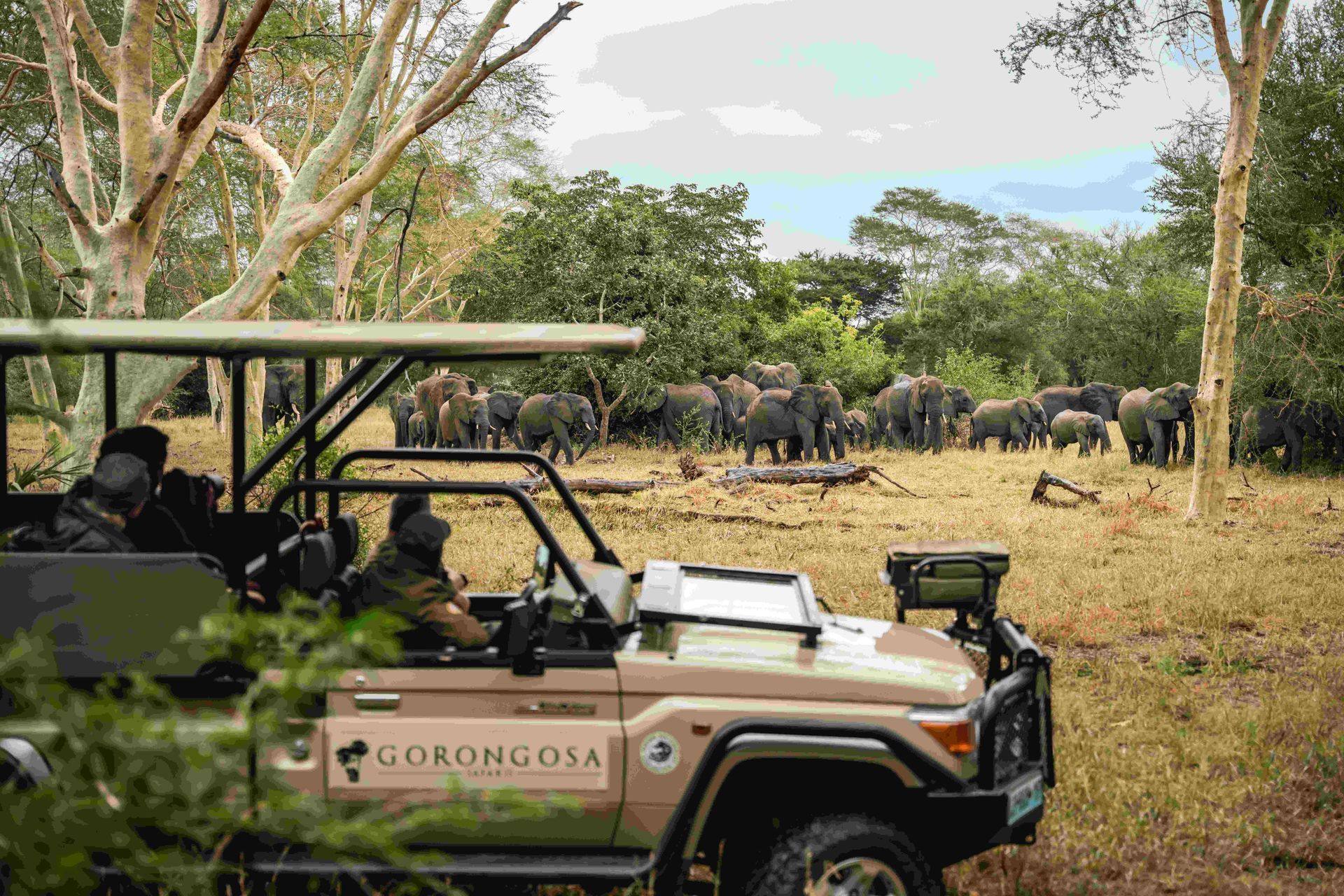
Gorongosa is not a typical safari park. It blends wildlife, restoration science, and community development into one destination. Travellers can observe lions, elephants, antelope herds, hyenas, and rare birds while learning how the ecosystem has recovered from decades of conflict. The park offers diverse habitats that create varied wildlife sightings and photographic opportunities. Visitors often describe Gorongosa as one of Africa’s most educational and moving safari destinations because every sighting reflects years of conservation work.

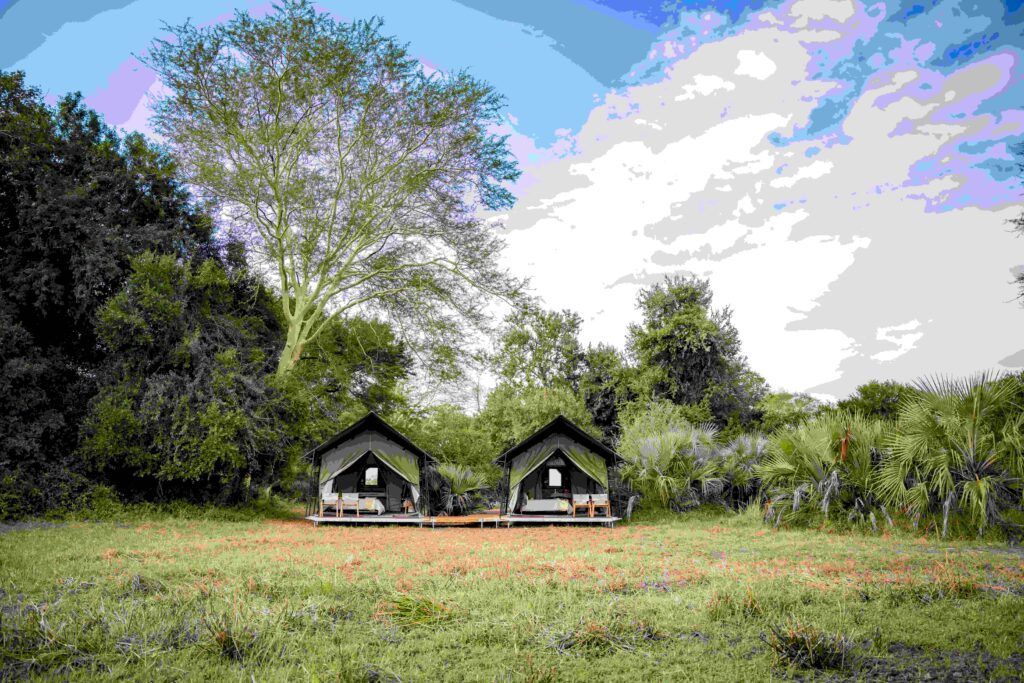
Two small cabins in a grassy field with trees and a bright cloudy sky

Understanding the Park’s Major Landscapes

Gorongosa’s wildlife experiences are shaped by its landscapes, each offering unique sightings.

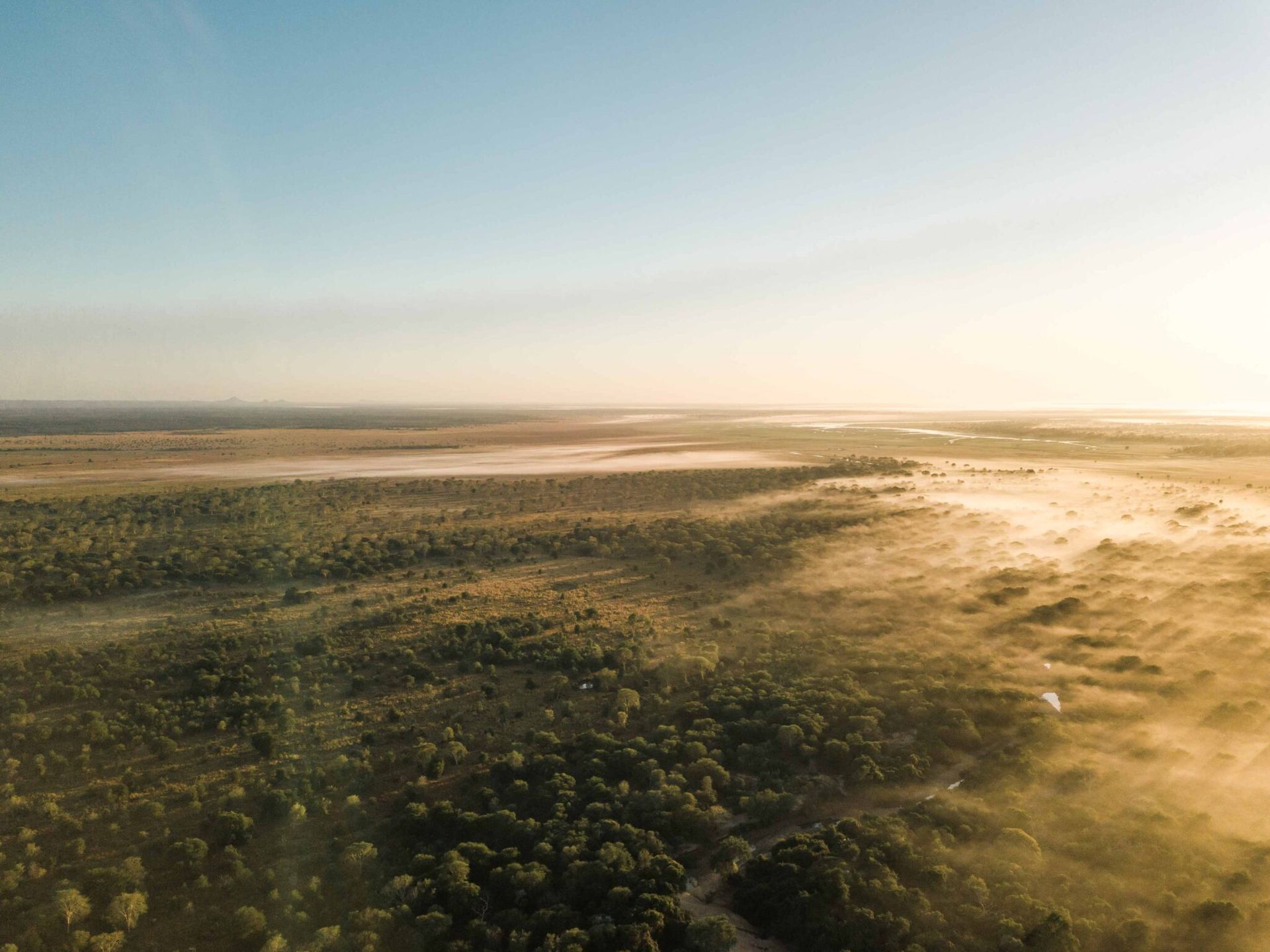
  • Floodplains: These open grasslands near water sources attract large herds of waterbuck, birds, and predators.
  • Woodlands: Ideal for spotting leopards, birds of prey, and mixed feeders like kudu.
  • Lake Urema and Wetlands: These areas draw hippos, crocodiles, waders, and water dependent mammals.
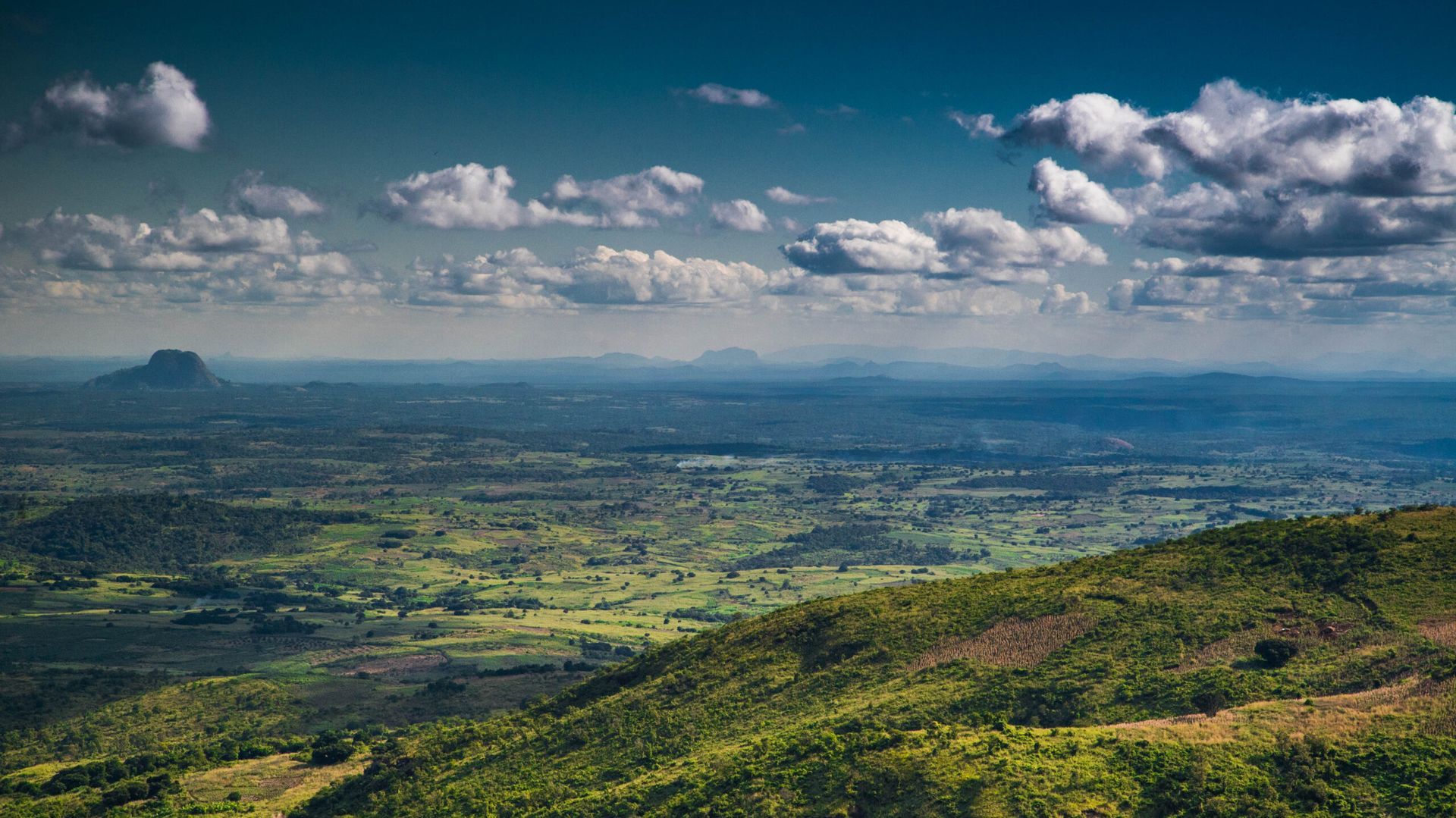
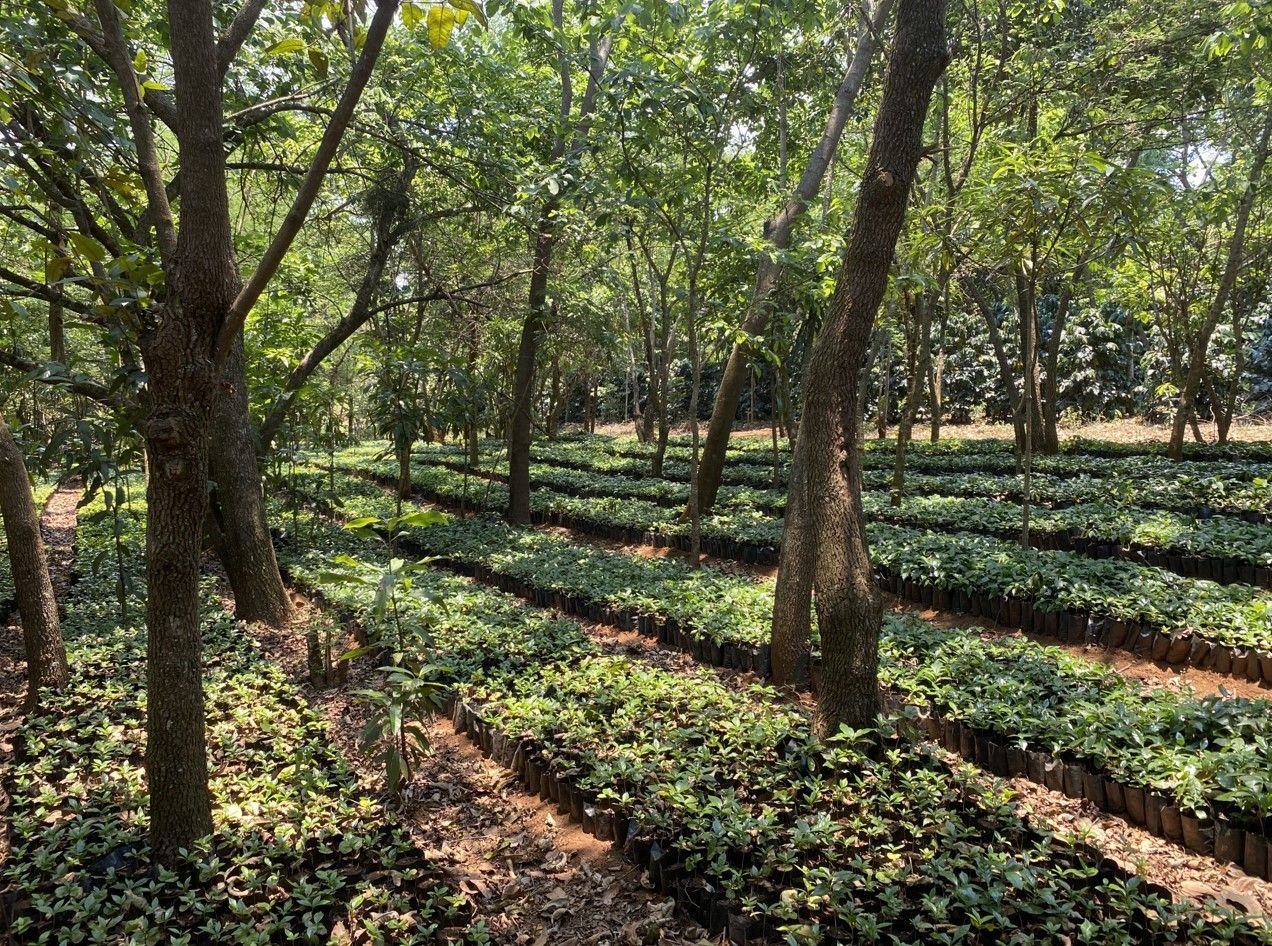
  • Mount Gorongosa: A rainforest ecosystem home to endemic birds, orchids, waterfalls, and cool hiking trails.
  • Palm Forests and River Corridors: These habitats offer shade, scenic views, and excellent birdwatching.


Travellers can experience multiple environments in a single trip, making the park ideal for varied photographic and wildlife interests.


Best Time to Visit Gorongosa in 2026

The dry season, from May to October, is considered the best safari period. Wildlife concentrates near water, vegetation is thinner, and visibility improves. Predators are easier to observe during early mornings and late afternoons.


The early rainy season offers lush scenery, vibrant bird activity, and excellent opportunities for botanists and photographers. Migratory birds arrive during this period, making it ideal for birdwatchers.
Gorongosa is one of the few African parks where both seasons offer compelling, yet different, safari experiences.


If you are flying into Beira or Chimoio for Gorongosa, make sure you understand the Mozambique tourist visa 2026 process before departure.


Where to Stay, Safari Camps and Lodges

Gorongosa offers accommodation that suits different interests and immersion levels.
Chicari Camp –
remote wilderness setting around a permanent water source.
Muzimu Lodge: A more
intimate camp with scenic views and access to peaceful wildlife areas.
Montebelo Gorongosa: Offers
comfortable stays with easy access to trails and activities.


Each camp provides guided safaris, nature walks, and opportunities to learn about conservation. Staying inside the park allows travellers to maximise wildlife viewing and enjoy cooler early morning game drives.

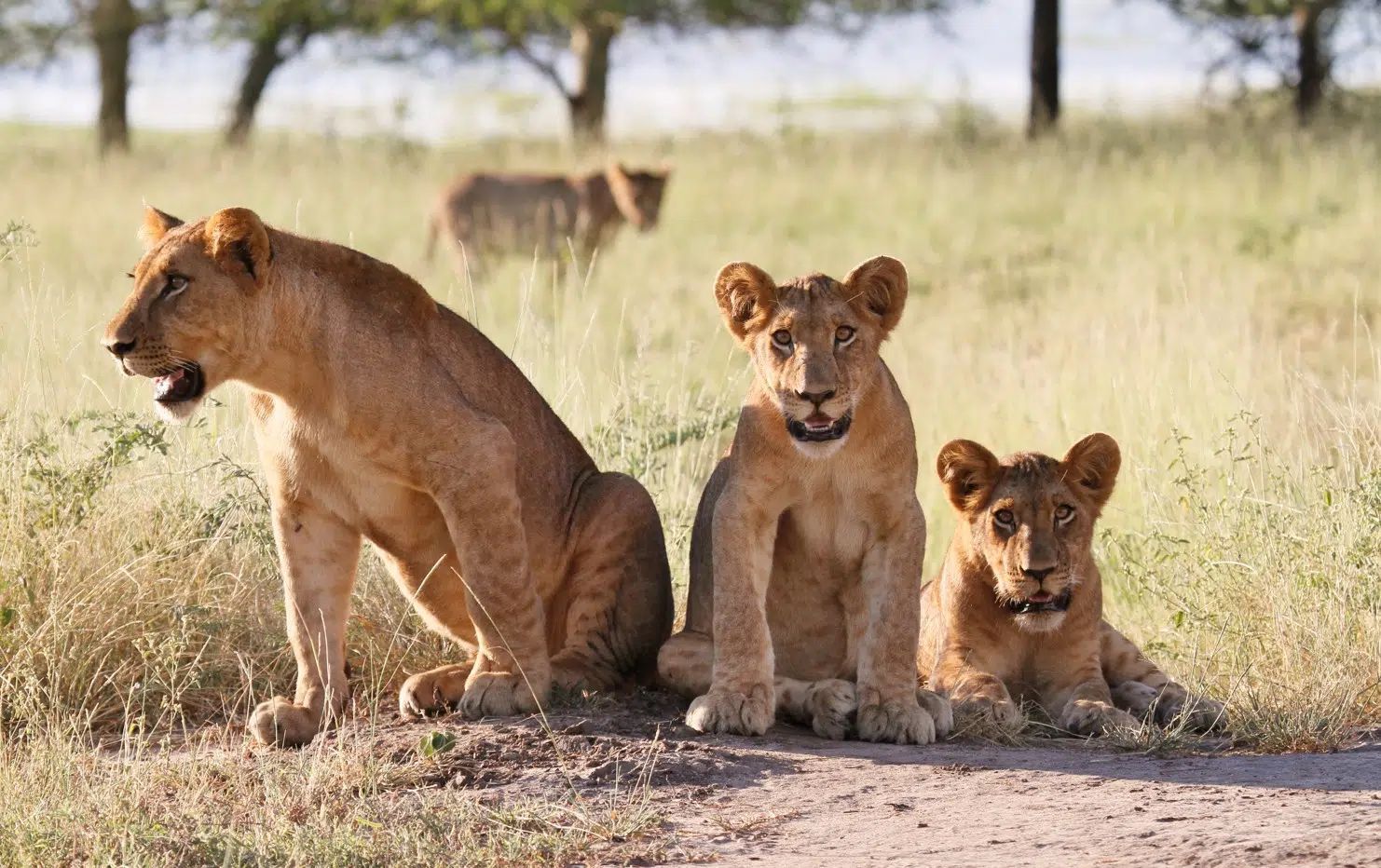
Three lion cubs resting in dry grass on a savanna, with one cub standing and two sitting nearby.

Wildlife Highlights for Safari Travellers

Travellers can expect to see a range of mammals, birds, and predators during their safari.
Lions are increasingly visible as their numbers rise across the floodplains and woodlands.
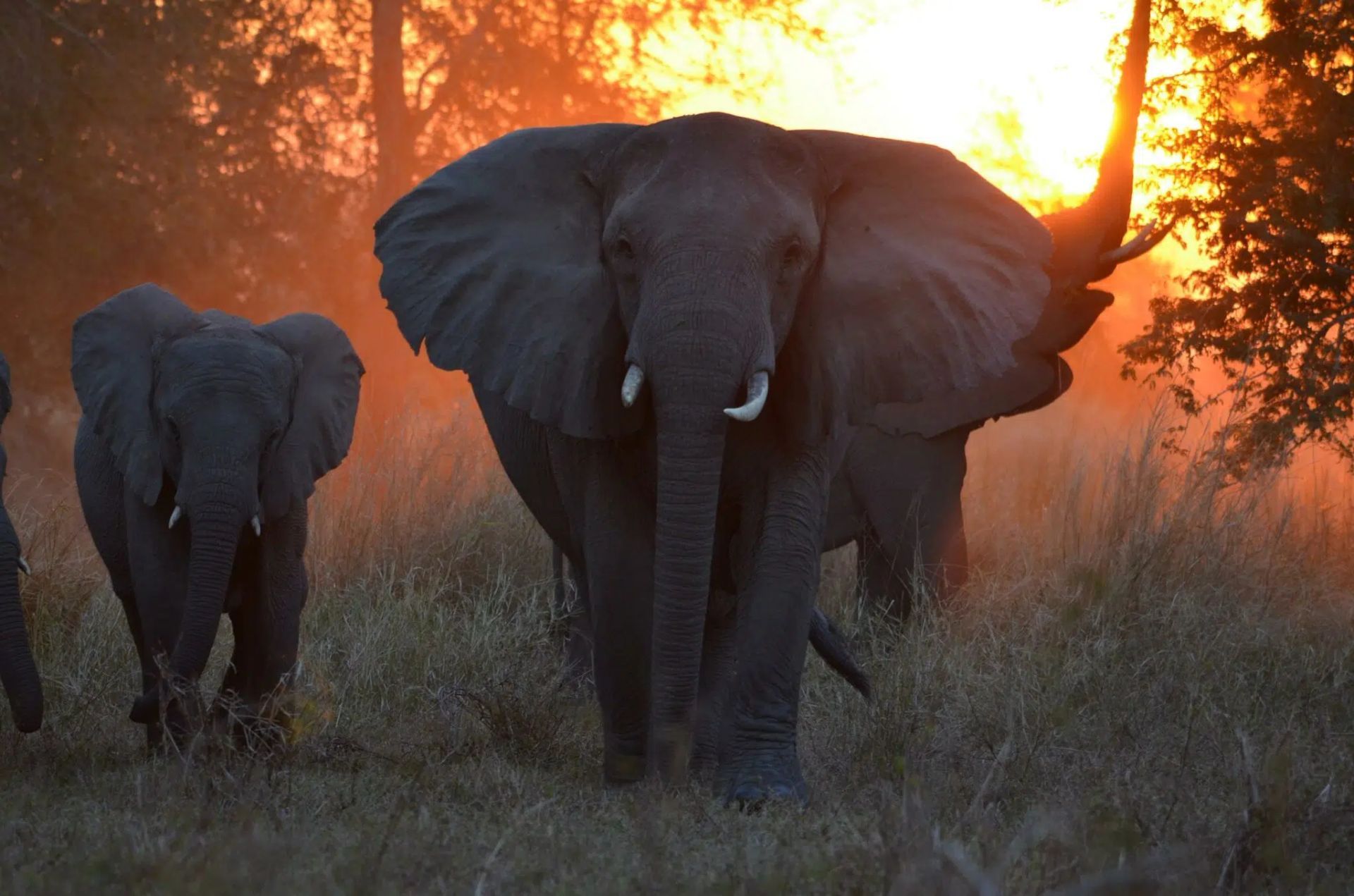
Elephants frequently appear near water sources or moving in family groups through woodlands.
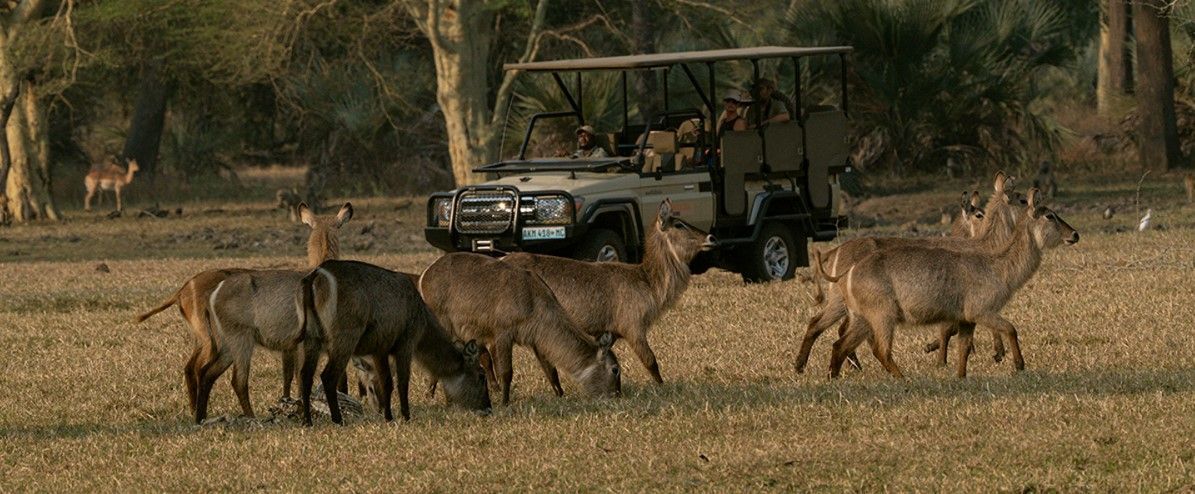
Waterbuck dominate the floodplains in large herds, creating dramatic scenes at sunrise and sunset.
Baboon troops, vervet monkeys, and bushbuck appear regularly in riverine forests.

Birdlife exceeds 500 species
, making Gorongosa a paradise for enthusiasts.


Predators such as leopards and hyenas are more visible than ever as the park’s recovery continues.


Activities Beyond the Game Drive

A Gorongosa safari offers far more than vehicle based wildlife viewing.


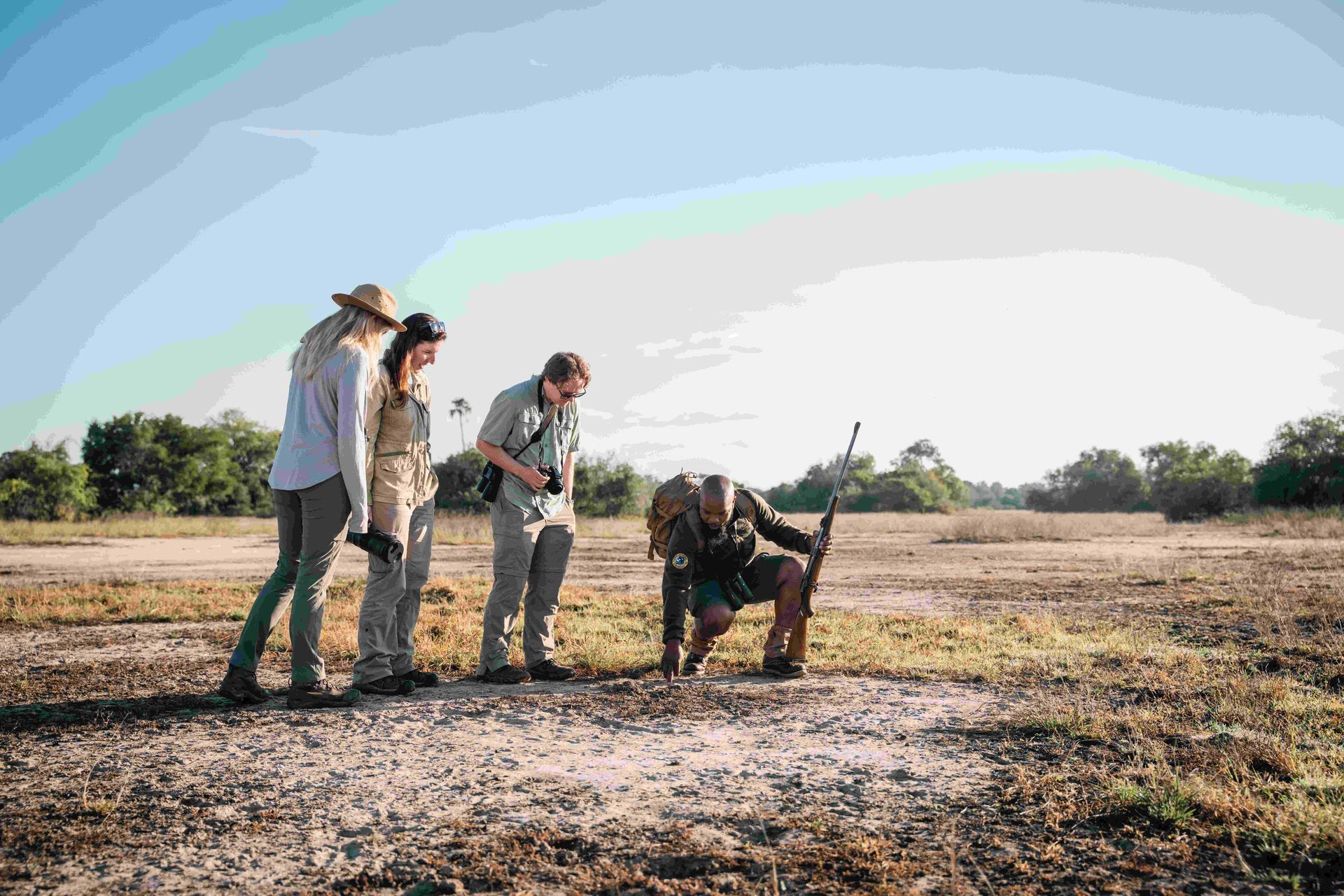
Mount Gorongosa hikes allow travellers to explore rainforests, waterfalls, and endemic bird species.
Specialist birding excursions focus on wetland species, forest birds, raptors, and seasonal migrants.
Conservation experiences introduce visitors to researchers, restoration areas, and community programs.
Cultural encounters provide insight into the lives of people who partner with the park to protect the ecosystem.


Photographic opportunities are exceptional, especially in the floodplains, wetlands, and forest edges.


Planning a Safari and Beach Combination

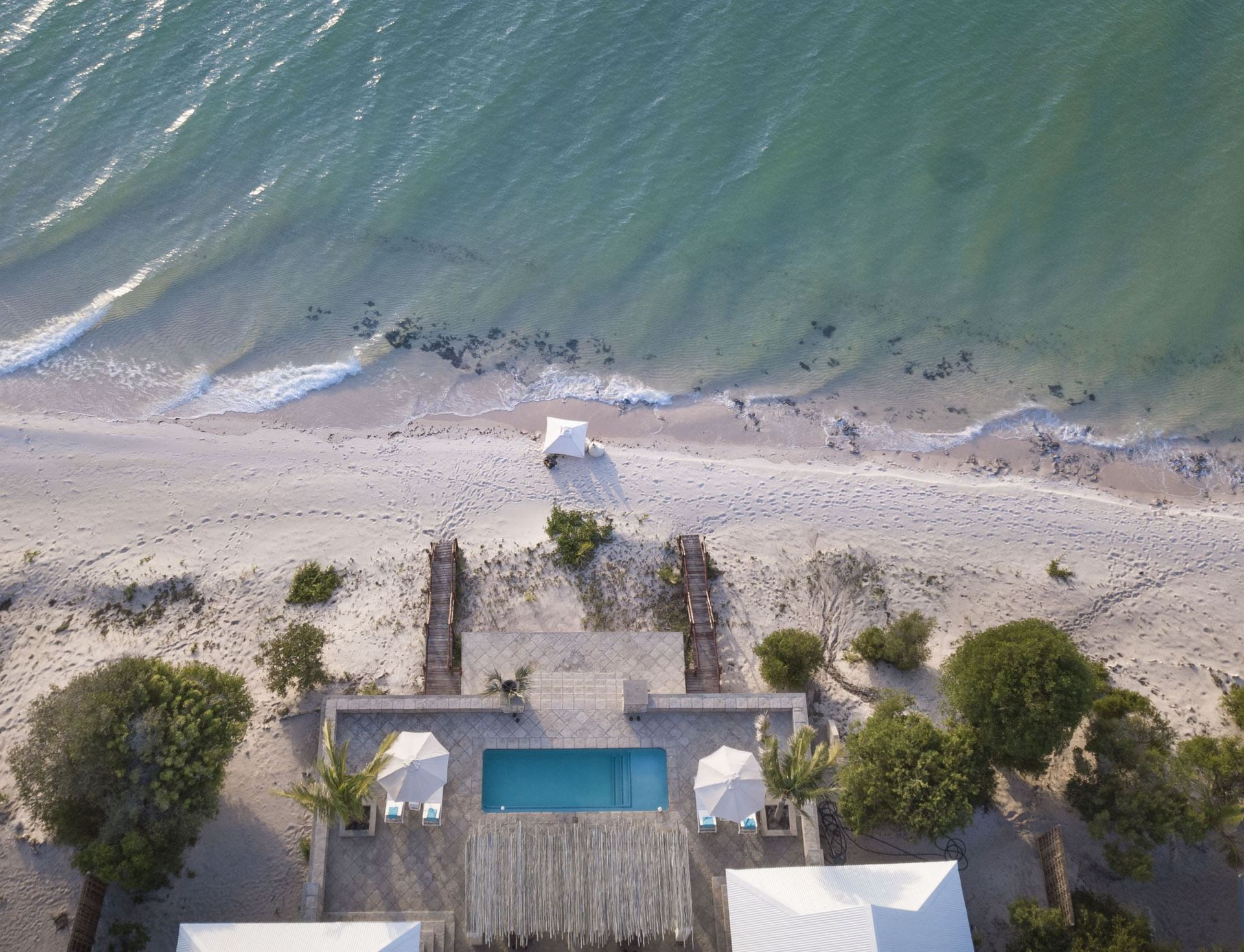
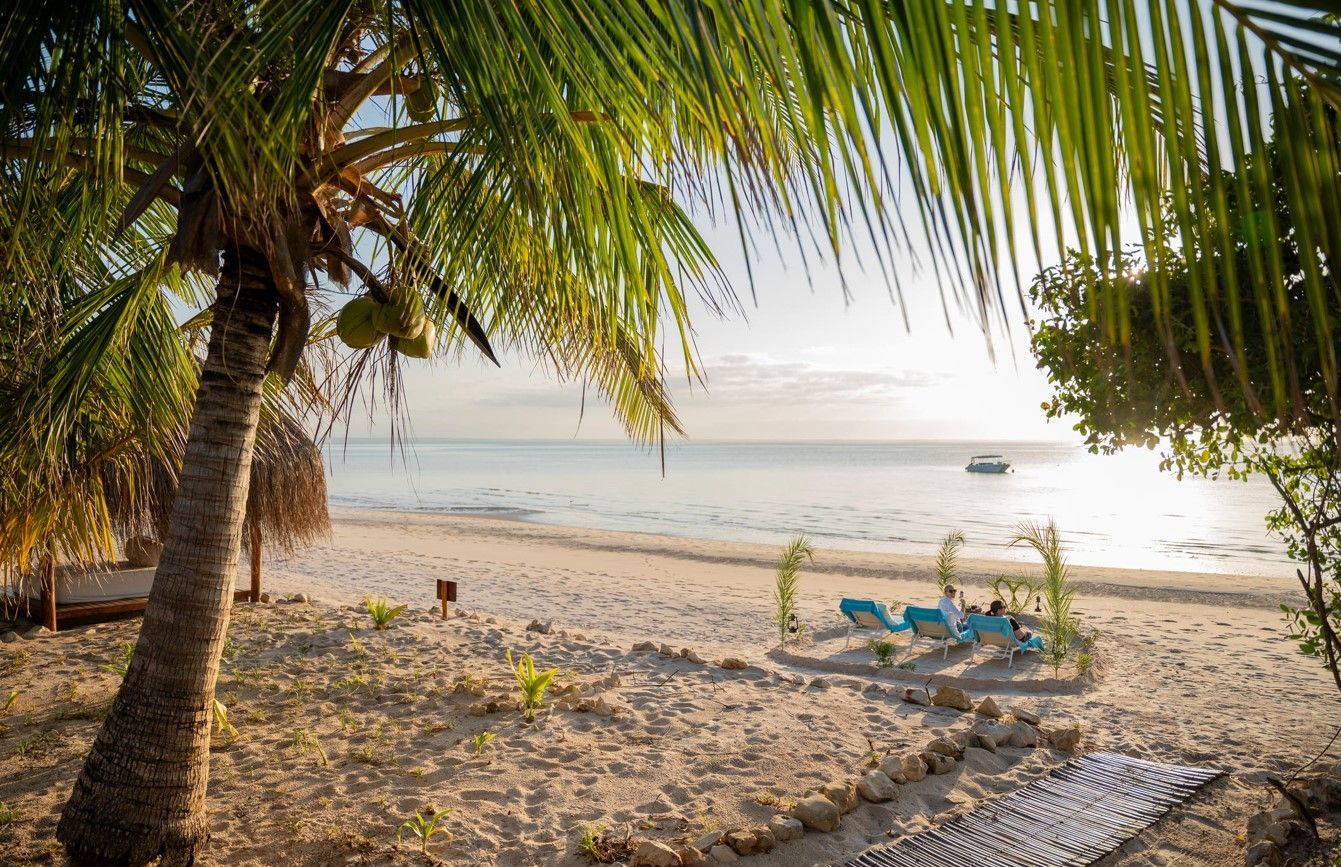
Many travellers add a beach extension after their Gorongosa safari. This offers a balanced holiday with both wildlife immersion and coastal relaxation. Mozambique’s coastline provides white sand beaches, warm waters, snorkelling, and marine activities that complement the inland safari experience. A 2026 safari and beach trip is one of the most appealing ways to explore the country, combining culture, wilderness, and relaxation in one itinerary.

Four people in a field photographing wildlife, one crouched near the ground under a bright blue sky

How Long to Stay for the Best Experience

To appreciate Gorongosa’s landscapes and conservation story, most travellers stay three to five nights.
Three nights: Enough for key wildlife sightings, one Mount Gorongosa excursion, and relaxation.
Four to five nights: Ideal for deeper exploration, additional birding excursions, conservation activities, and varied game drives.


Longer stays offer opportunities to learn more about research programs and community projects.


Photography Tips for a Successful Safari

Photographers benefit from Gorongosa’s open landscapes and dramatic lighting. Early mornings offer golden light along the floodplains. Woodland photography requires patience and attention to light filtering through trees. Wetlands offer opportunities for reflections, waders, and interactions between predators and prey. Mount provides atmospheric mist, lush vegetation, and unique macro subjects such as orchids and insects. Travellers should carry rain protection for equipment during the early rainy season.


Safety, Security, and Support for Gorongosa Safaris

A safari in Gorongosa National Park is considered safe when travel is planned through established camps, licensed guides, and approved park activities. All safaris operate under strict conservation and safety protocols, with trained rangers, professional guides, and controlled access to wildlife areas. Lodges and camps maintain clear emergency procedures, radio communication, and coordination with park authorities.


Mozambique Travel provides full planning support, including vetted accommodation, guided activities, and reliable transfers to and from Gorongosa. Health and safety briefings are provided on arrival, and guides manage wildlife encounters with care and experience. With structured game drives, monitored walking safaris, and clear evacuation protocols in place, travellers can explore Gorongosa with confidence, knowing their safari is responsibly managed and fully supported throughout their 2026 journey.


Sample 2026 Safari Itinerary Overview

A balanced 2026 Gorongosa itinerary could include:
Day 1: Arrival, afternoon game drive
Day 2: Morning safari, wetlands birding excursion
Day 3: Mount Gorongosa rainforest hike
Day 4: Full day safari or conservation experience
Day 5: Transfer to Mozambique coast
for beach extension


This structure provides a mix of wildlife, landscapes, culture, and relaxation.


Plan Your 2026 Safari with Mozambique Travel Experts

If you want a safari that blends wildlife, conservation, culture, and relaxation, Gorongosa offers one of the most rewarding travel experiences in Africa. Our Mozambique Travel specialists have over 20 years of experience designing personalised itineraries across Mozambique.

We can create a 2026 safari tailored to your interests, with the option to add a beach extension for a complete journey. Speak to our experts and let us craft a trip that reveals the beauty, science, and restoration success of this extraordinary park.


Featured Packages


Frequently asked questions about mozambique destinations

  • What is the best safari season for wildlife viewing in Gorongosa?

    The dry season is ideal for concentrated wildlife sightings because animals gather around water sources and vegetation is thinner. Predators and large herbivores are easier to observe. The rainy season offers lush scenery, excellent birding, and dynamic photography opportunities. Both seasons provide rewarding experiences depending on traveller interests.

  • How many days should I spend on a Gorongosa safari in 2026?

    Three to five nights is recommended for a complete experience. Shorter visits allow for key wildlife sightings, while longer stays support activities such as Mount Gorongosa hikes, birdwatching, and conservation learning. Multi day stays also increase opportunities to see predators and rare species.

  • Can a Gorongosa safari be combined with a Mozambique beach holiday?

    Yes. Many travellers pair a Gorongosa safari with a coastal stay for a well balanced trip. After exploring the park’s diverse ecosystems, visitors enjoy marine life, warm beaches, and relaxation along Mozambique’s coastline. This combination is one of the most popular travel styles for 2026.

  • What wildlife can I expect to see in Gorongosa?

    Travellers often see lions, elephants, waterbuck, baboons, warthogs, and an incredible variety of birds. Leopard and hyena sightings are increasingly common as predator populations recover. Wetland areas offer hippos, crocodiles, and waders. The park’s diversity makes each drive unique.

  • Is Gorongosa a good destination for birdwatchers?

    Absolutely. With more than 500 species, Gorongosa is one of the best birding destinations in Southern Africa. Floodplains, wetlands, woodlands, and Mount Gorongosa provide varied habitats that support resident and migratory species. Birdwatchers often spend extended time focusing on the park’s rare and endemic species.

  • What should I pack for a Gorongosa safari in 2026?

    Travellers should bring lightweight neutral clothing, good walking shoes, a hat, insect protection, binoculars, and sunscreen. A light jacket is useful for cool mornings. Photography enthusiasts should pack adequate memory cards and protective gear for cameras. Guides provide detailed briefings before activities.

SHARE THIS POST

Are You Ready FOr Mozambique?

Page through our packages and find the offer right for you!


Ready to Speak to a Mozambique Travel Expert?

Get In Touch and Ask for a Call-Back Today

Latest Posts

Two people sailing on a boat in bright sun, smiling on a blue ocean with a white sail.
By Mozambique Travel June 3, 2026
Discover the biggest misconceptions about safari and Mozambique holidays. Learn what travelers often misunderstand about routing, cost, timing and structure.
Elephants grazing in a sunlit savanna at dusk, with birds flying overhead.
By Mozambique Travel June 2, 2026
Elephants in Mozambique explained. Human elephant conflict, migration corridors, conservation challenges, and what coexistence really looks like.
Leopard in dappled forest light, facing left in profile
By Mozambique Travel June 1, 2026
Leopards in Mozambique explained. How Africa’s most adaptable predator survives near communities, causes conflict, and what coexistence really looks like.
Person sitting at the end of a wooden dock, facing a calm lake and distant mountains under cloudy skies
By Mozambique Travel May 29, 2026
Solo woman travel in Mozambique explained. Learn where women travel safely, key safety considerations, and how to plan with confidence.
Aerial view of a tropical lagoon with turquoise water, dense green shoreline, and distant ocean horizon
By Mozambique Travel May 28, 2026
Snorkelling in the Bazaruto Archipelago offers clear water, coral reefs, turtles, rays, and dugongs, with access from Vilanculos and Benguerra Island.
Pangolin curled up on a rock, showing gray overlapping scales against a blurred green background
By Mozambique Travel May 27, 2026
Pangolins in Mozambique explained in depth. Species, trafficking routes, conservation efforts, threats, and why Africa’s most trafficked mammal faces extinction.
Show More